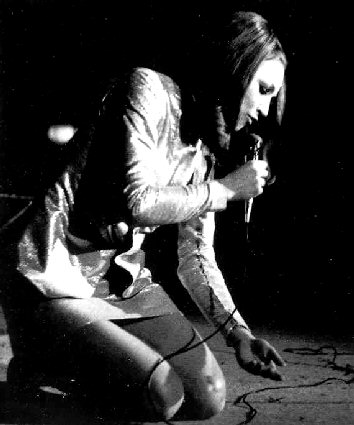
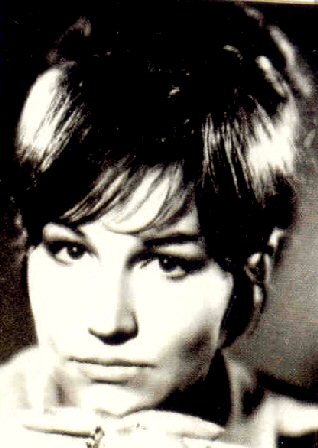
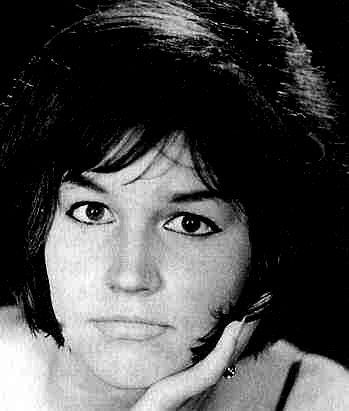
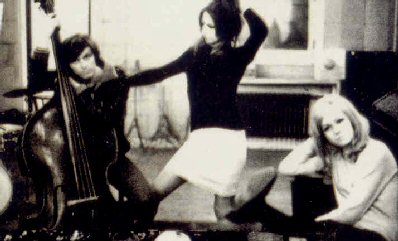
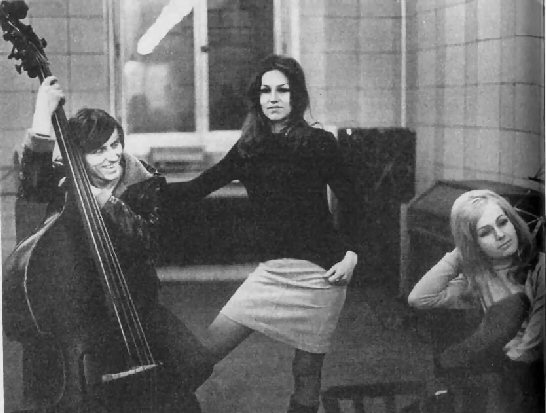
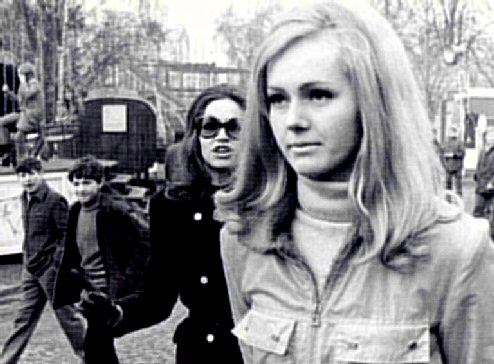
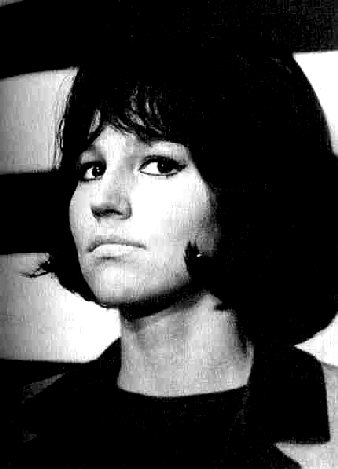
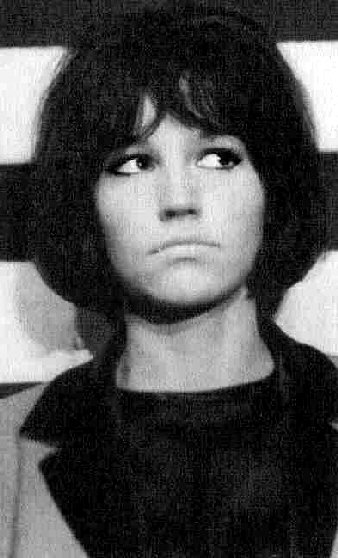
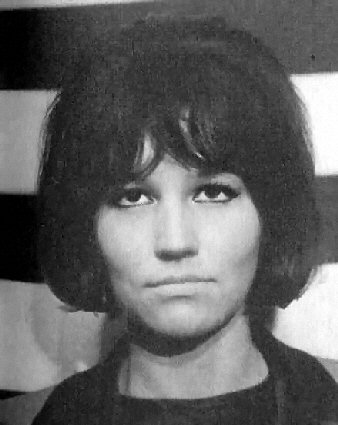
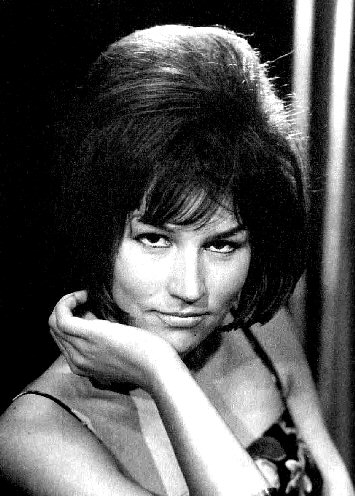
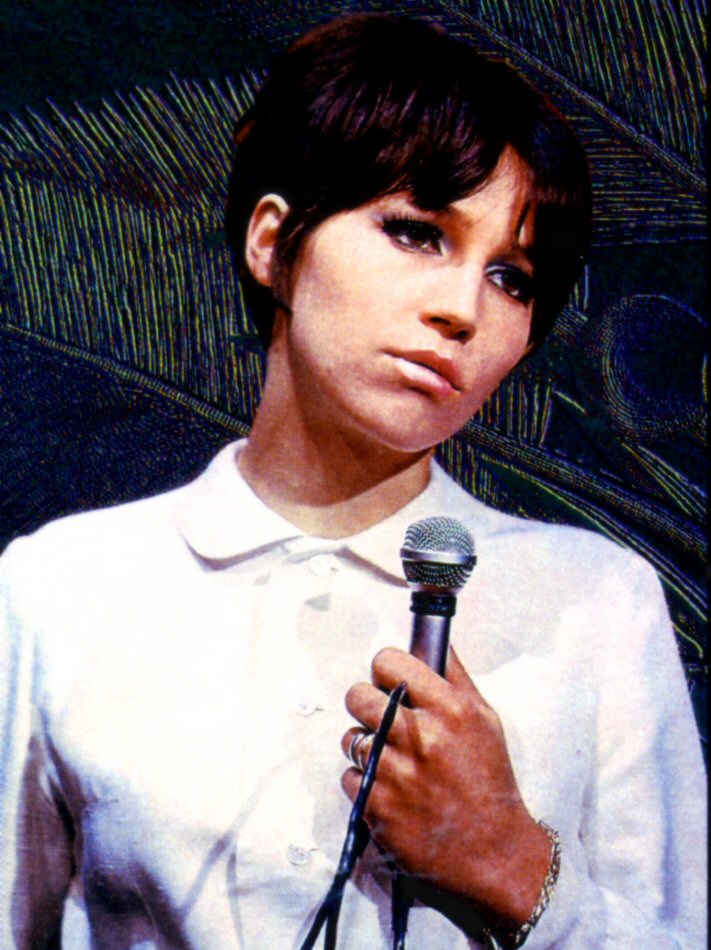
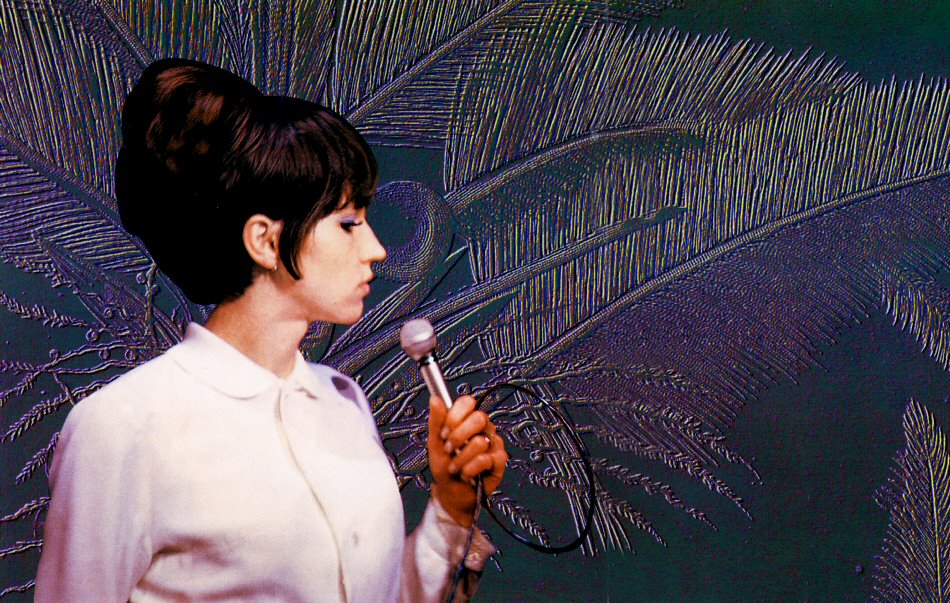
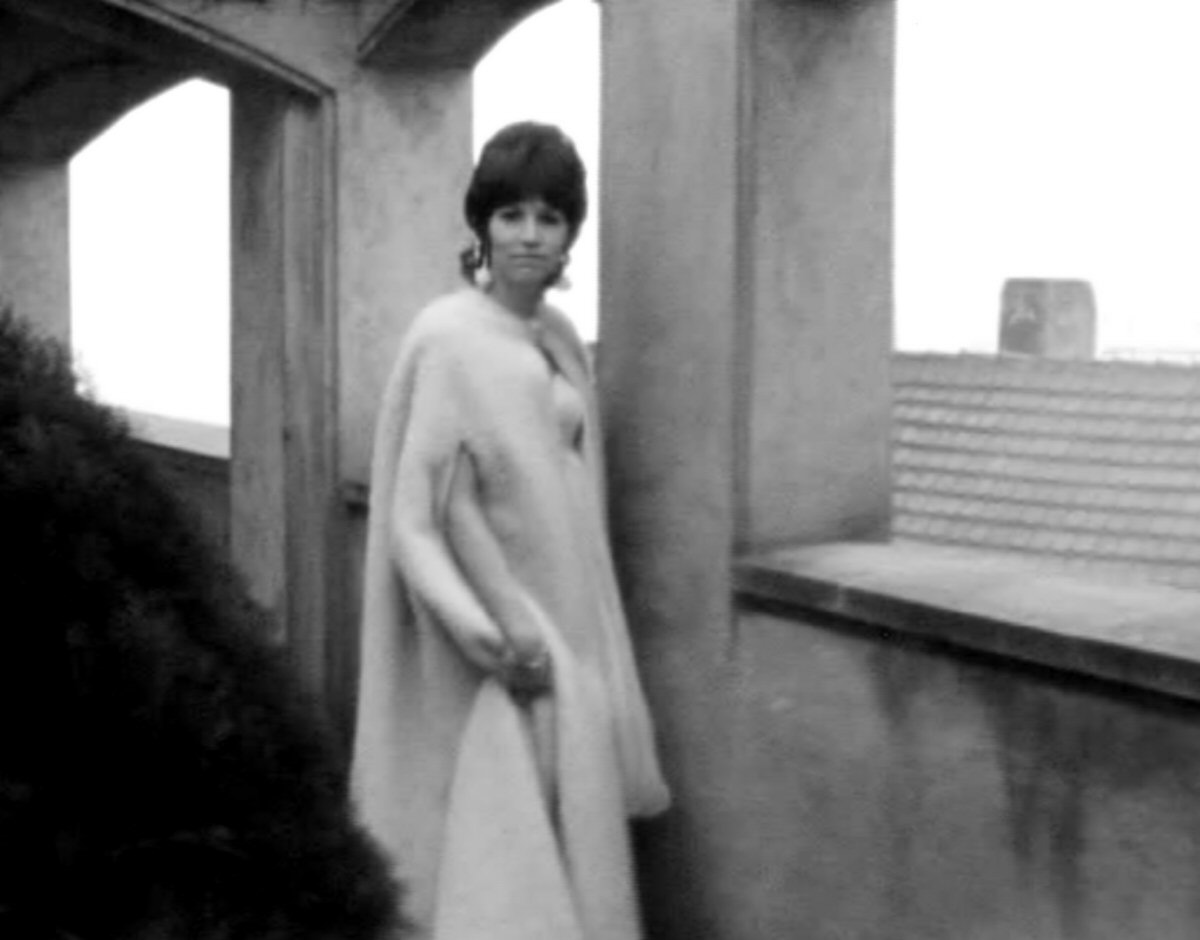
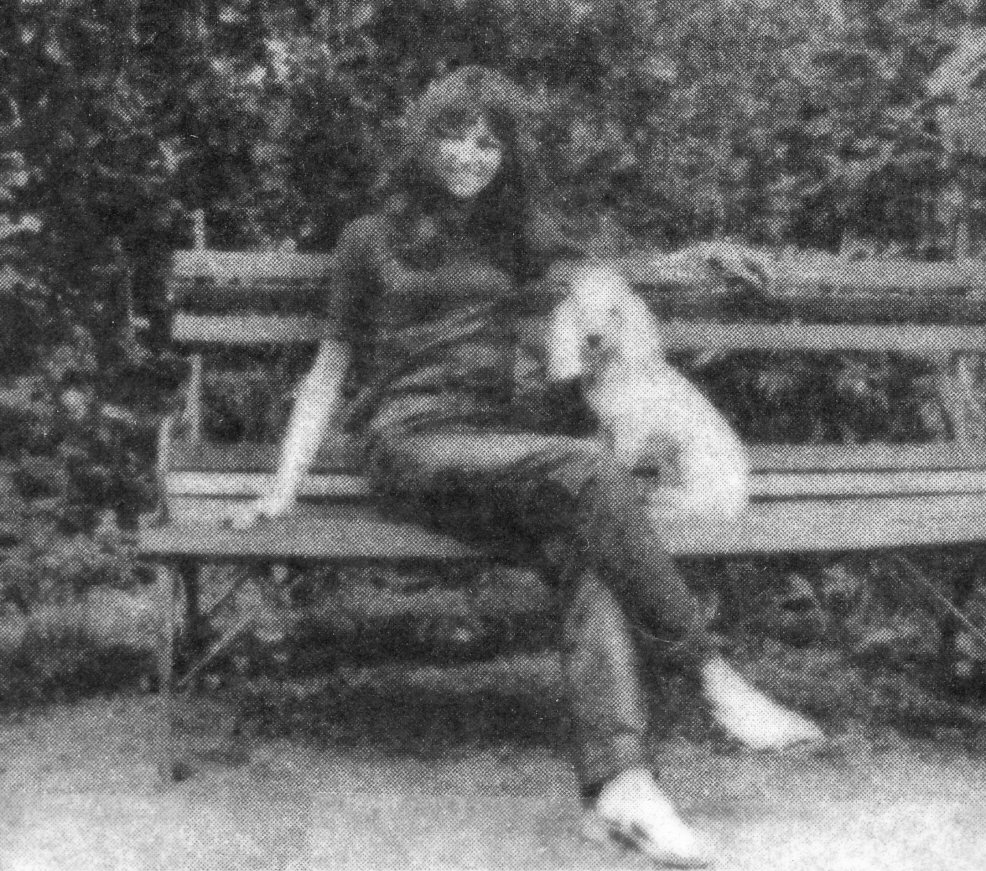
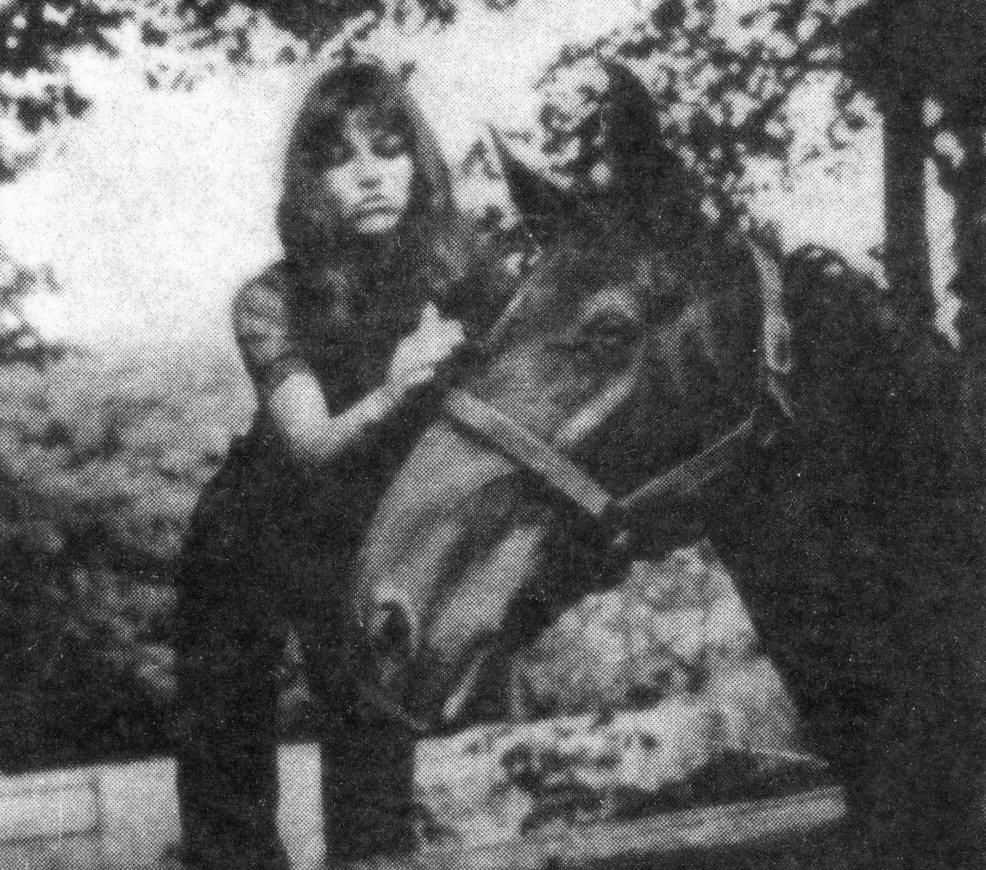
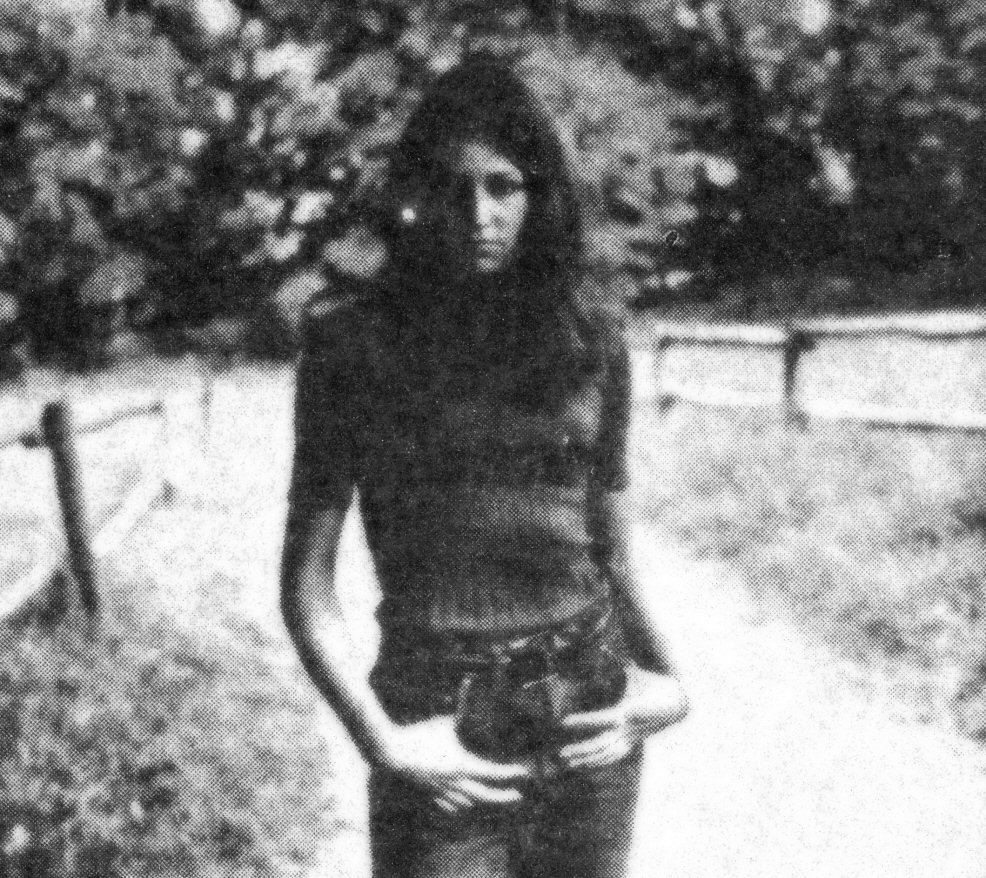
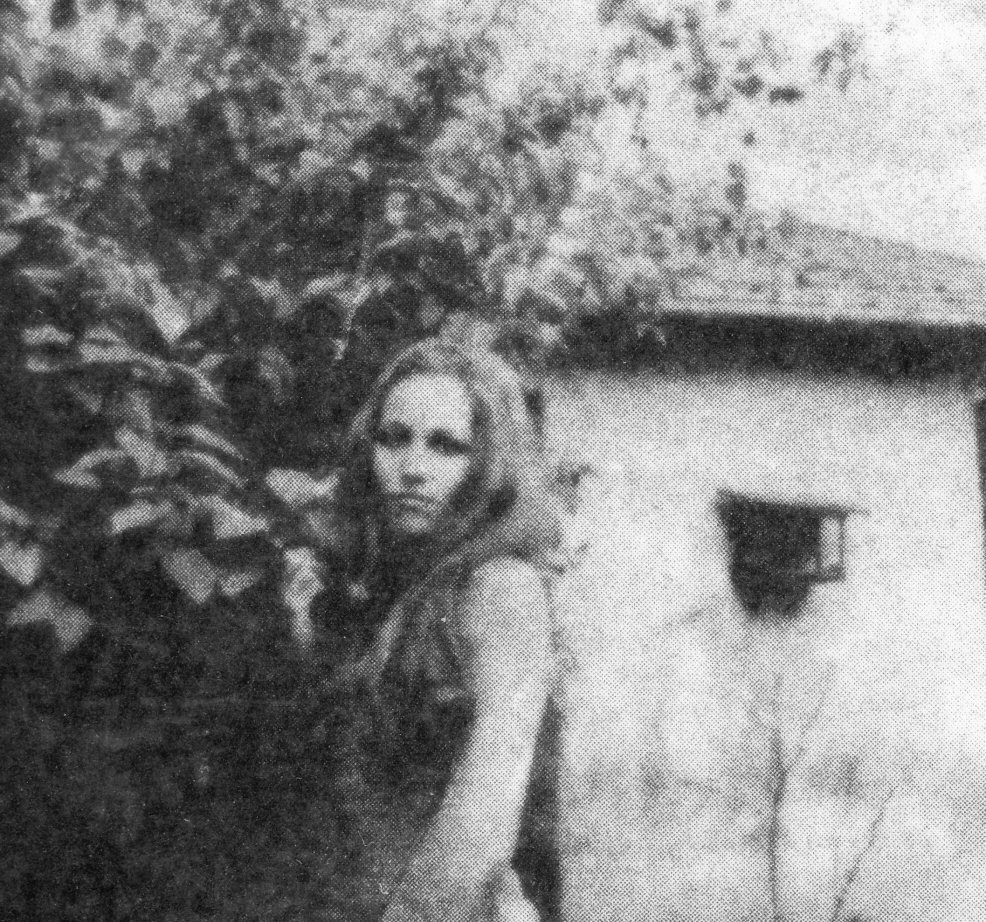
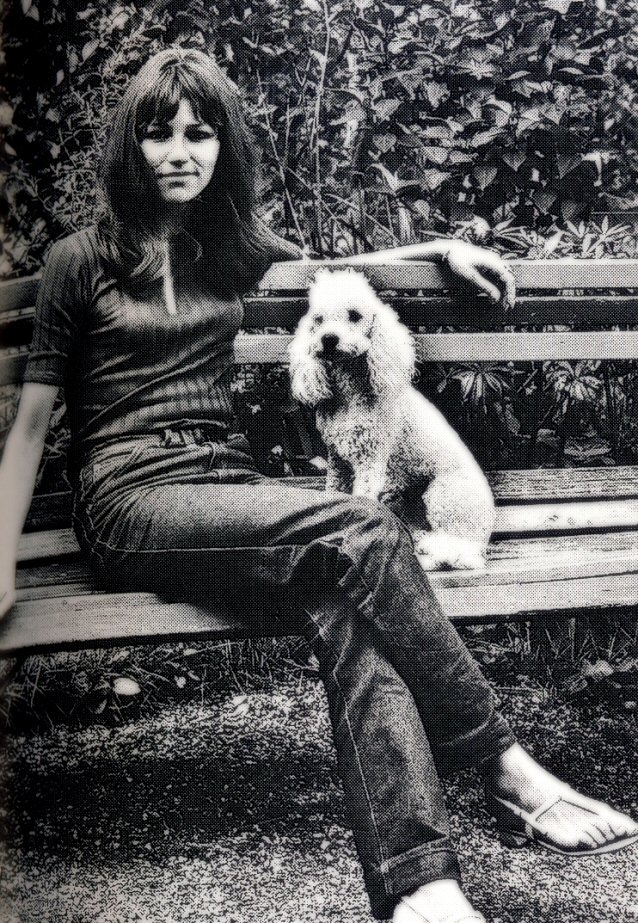
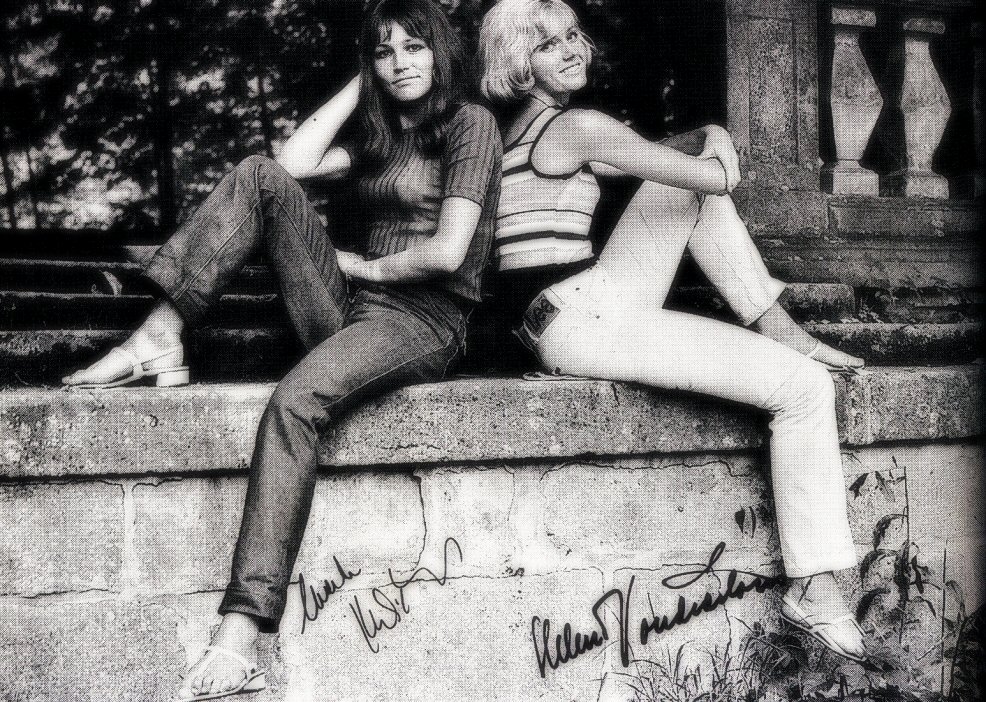
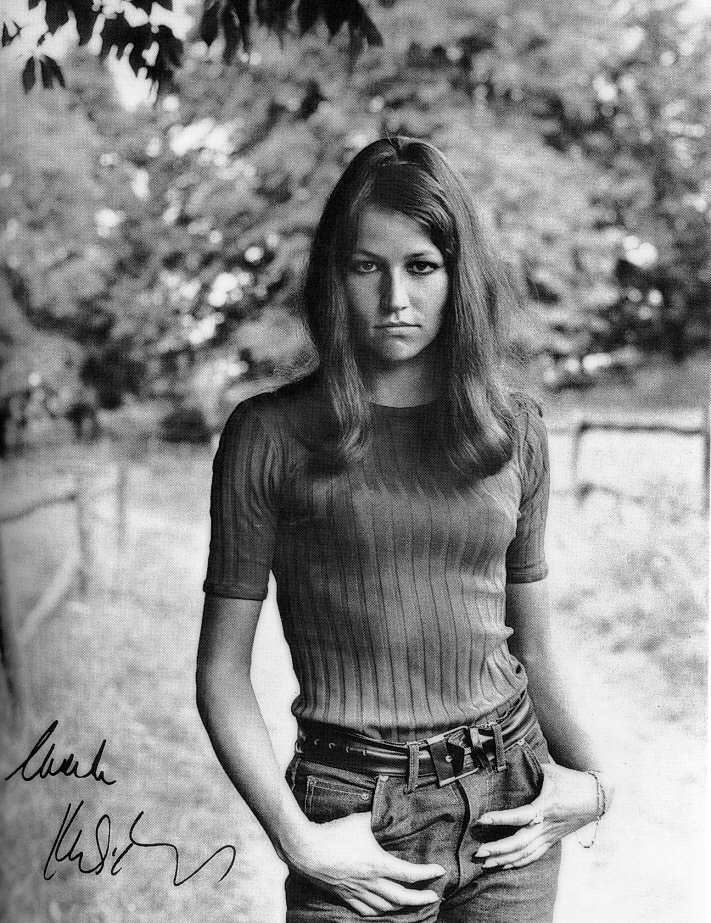
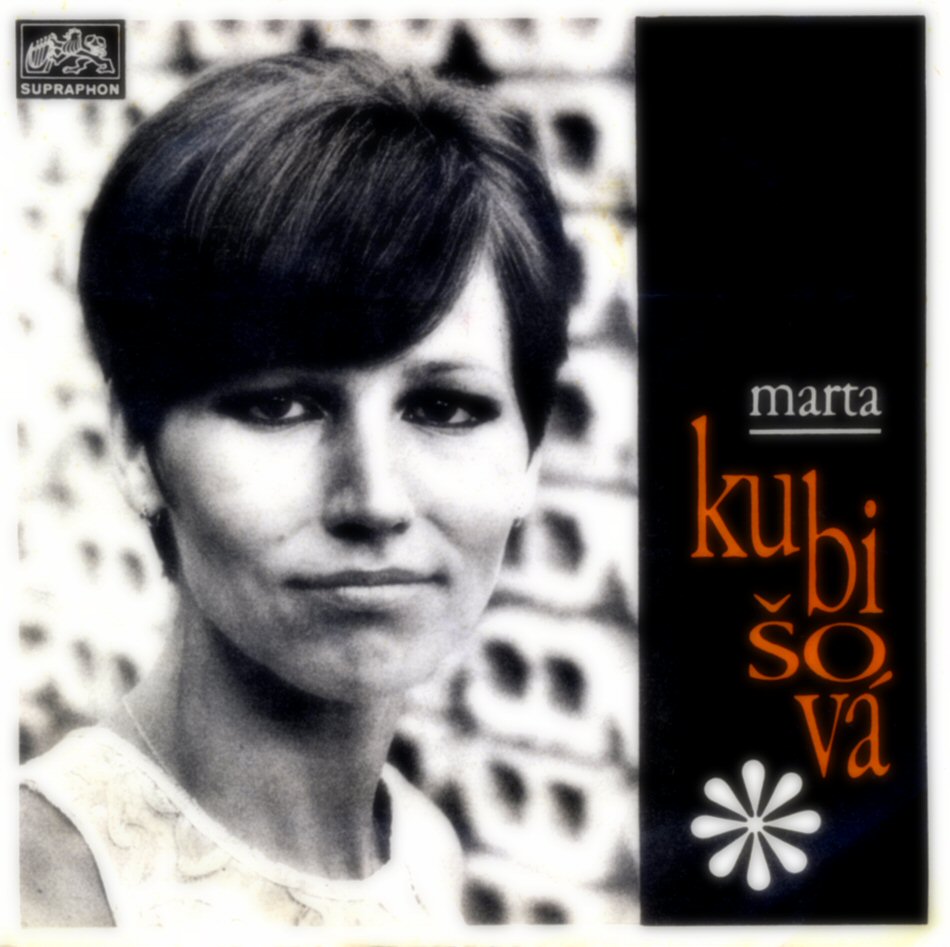
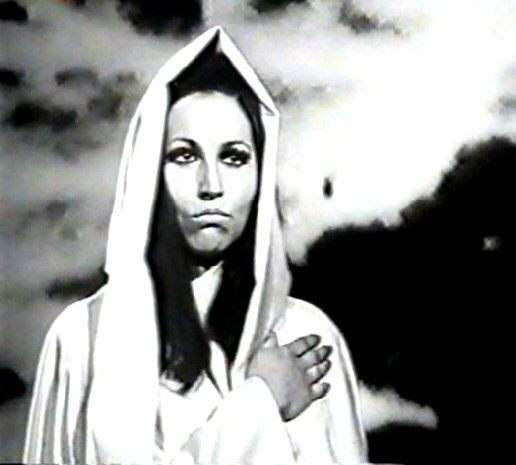
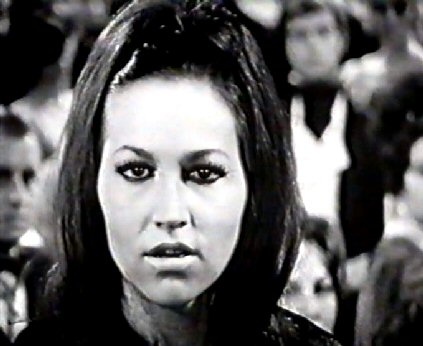
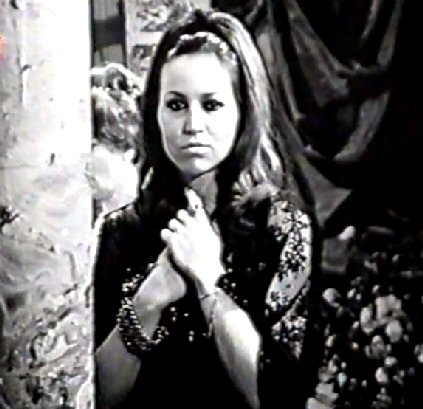
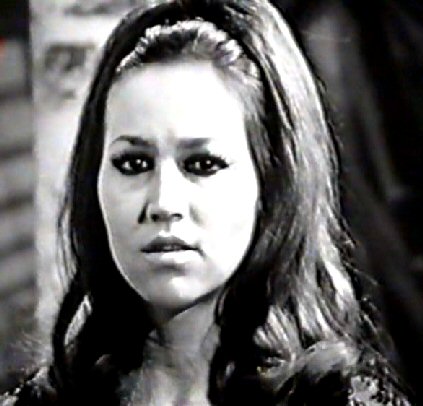
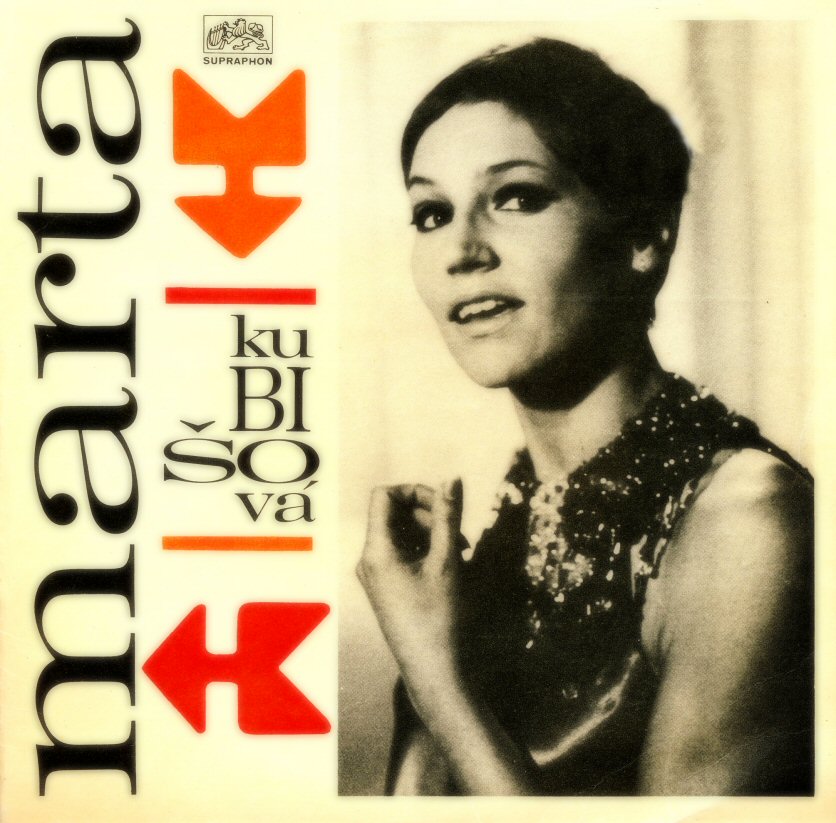
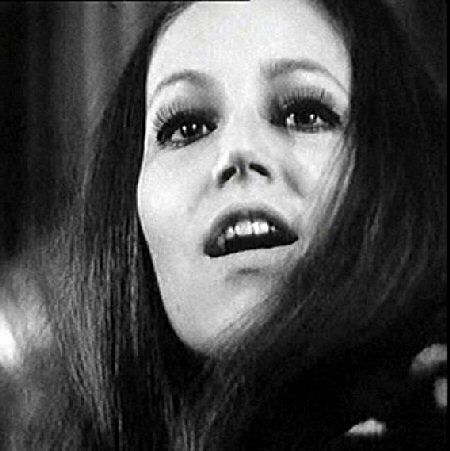
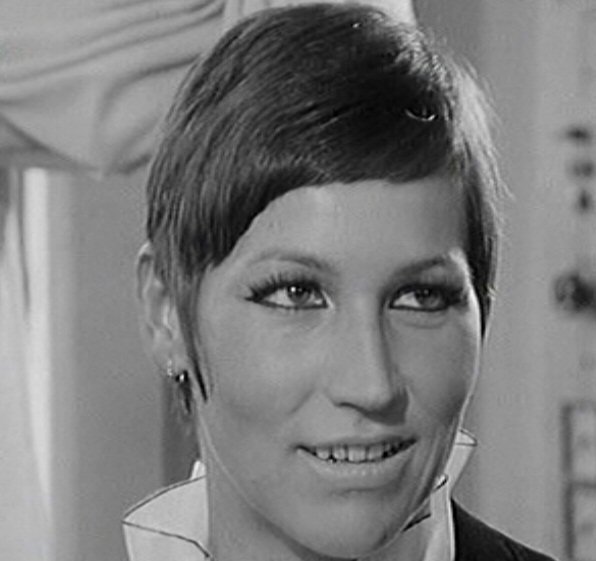
Her name is Marta Kubisová and she is a very important person in the both musical and political history of Central Europe. In Czech Republic, Marta Kubisová is known and respected thanks to her exceptional voice, animated destiny, her courage and also... her love for the animals. The Sixties had brought a lot: revival in the culture, the opening towards the world, the thaw in the policy, the enthusiasm whose Czechs and Slovaks were impregnated, their ideals and hopes. And the Soviet occupation of the country in August 1968. The patriots fighting for their land was Dubcek, Havel and Palach and... Marta Kubisová. " Who was Marta Kubisová?"
Almost all people in Czechoslovakia knew that she was a singer with an extraordinary voice: at the same time soft and dramatic, full with sorrow and joy. In 1970 she became forbidden as a singer by the Communists. She worked as secretary.
How it was possible? How can a big artist suddenly live without music, concert, public and applause? Nobody knew that in November 1989 she would come back and sing her famous Prayer for Marta in front of hundreds of thousands of Czechs gathered on the place of Vaclav in Prague.
go.to/
1961-1963 1964 1965 1966 1967 1968 1969 1970 1970-1989 1978 1979
|
|
|
|
|
|
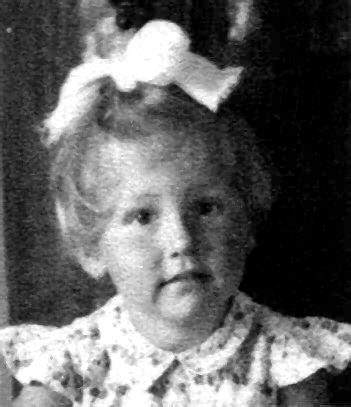
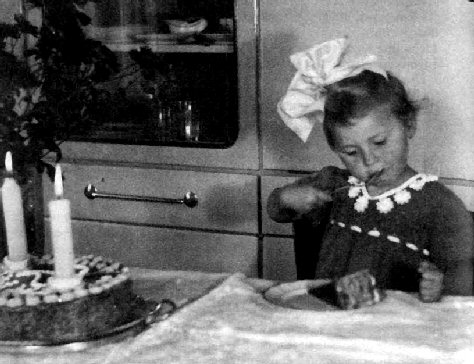
Marta was born on November 1, 1942 in the beautiful city Ceske Budejovice in southern Bohemia. When she was nine years old the family moved to the city of Podebrady. She started playing piano when she was 11 years old. Surprisingly the piano lessons were not the best thing she knew. She preferred sport as for instance riding horse. She did not dream of becoming super star she wanted to be physician. Marta's father was cardiolog. But her faith was music and at the end of 1950s Marta got her first musical work at the bar "Florentina" in Karlsbad (Karlovy Vary). In 1961 Marta won the song contest "We are looking for new talents" in Prague and it was a real start of her career.
Marta started singing in 1962 at the Cabaret Theatre in Pardubice, which one year later changed its name to "Stop". During the first year in Pardubice she met with a talented young composer Bohuslav Ondracek. Together with his band - Stop Jazz Trio she recorded one of her first songs entitled "Mne se libi" (I like it) in the studio in Hradec Kralove.
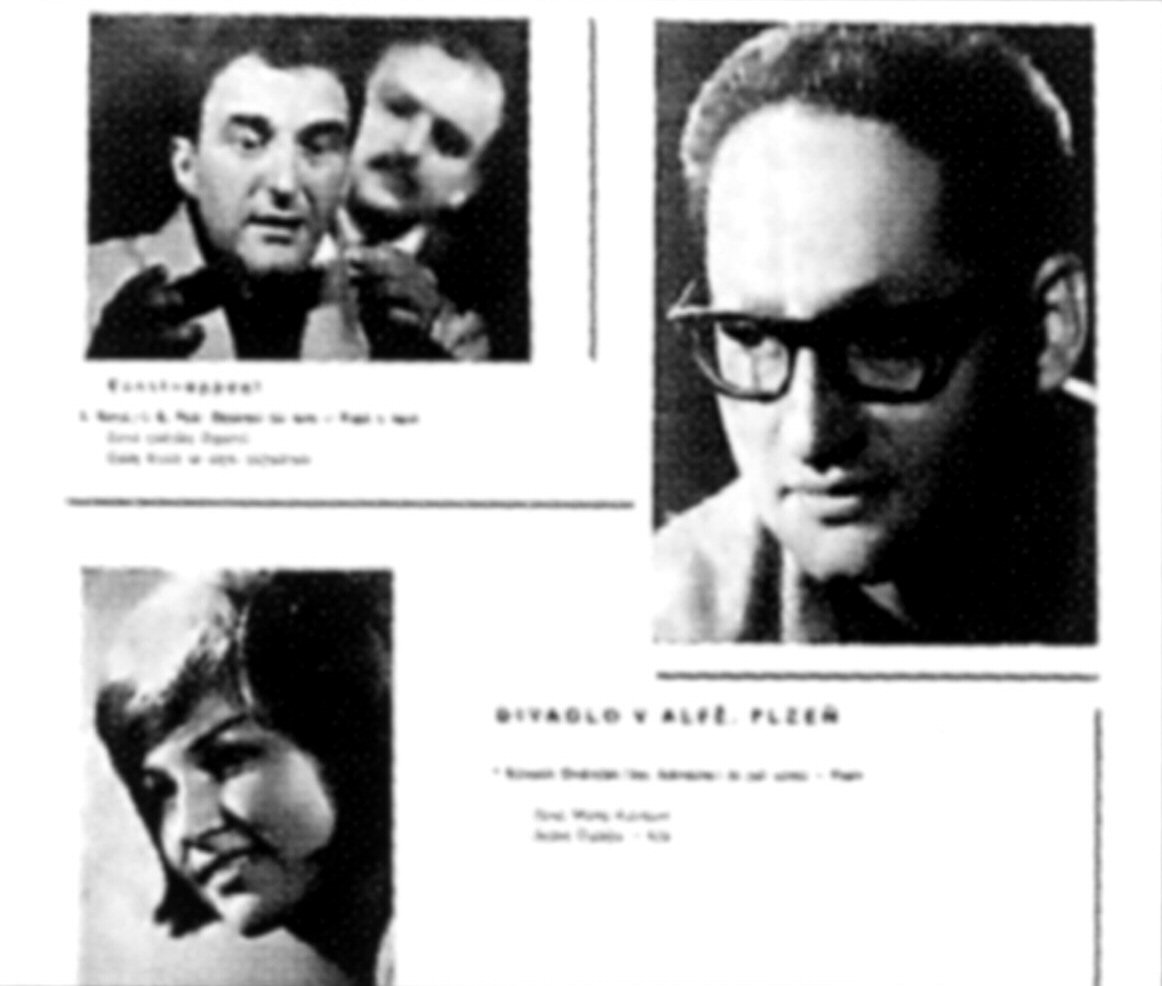
In 1963 both Marta and Bohuslav Ondracek moved to "Alfa" theatre in Plzen. In Plzen Marta recorded several songs which would become hits during the period of 1963-65.
 |
 |
TV
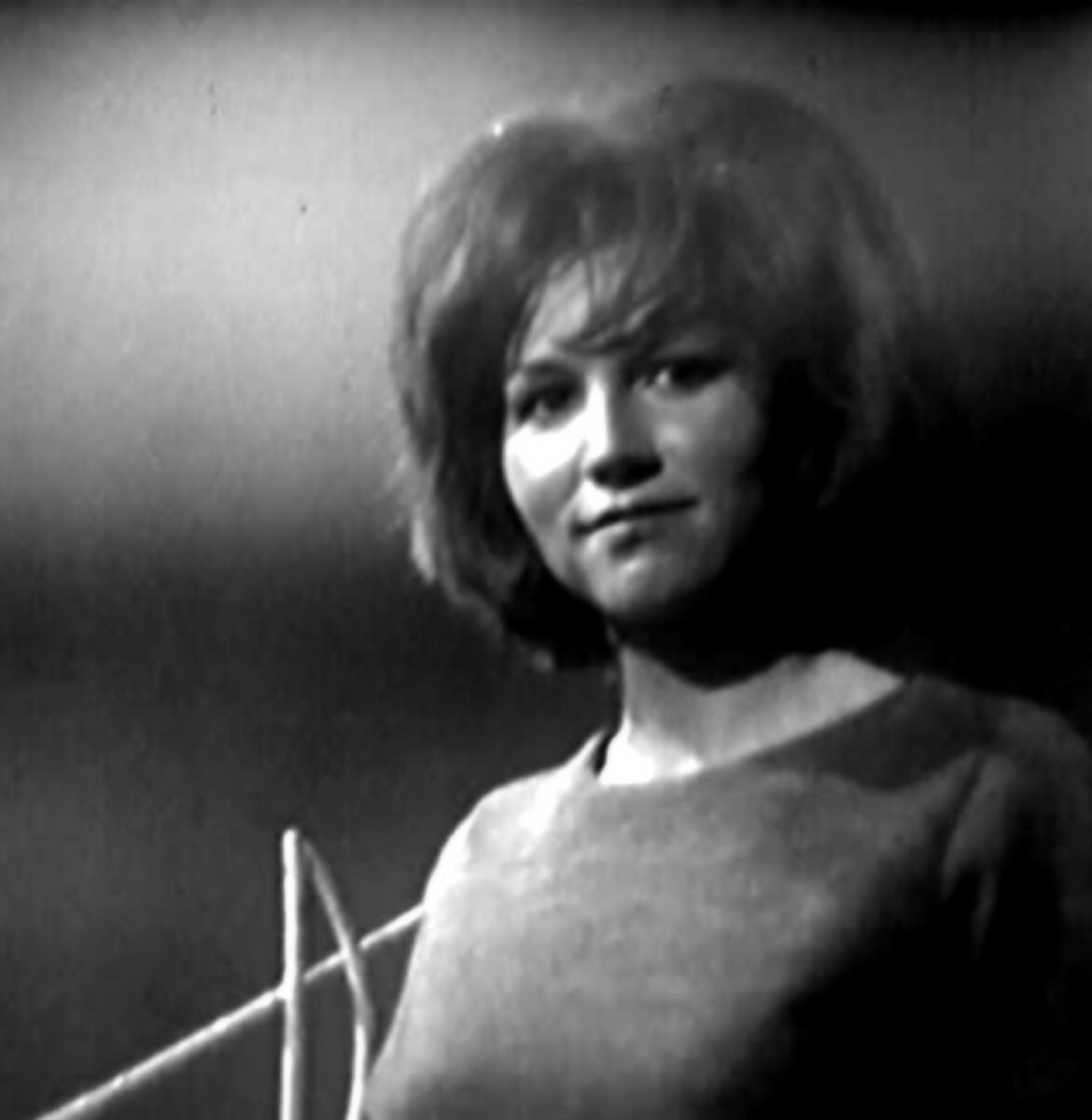
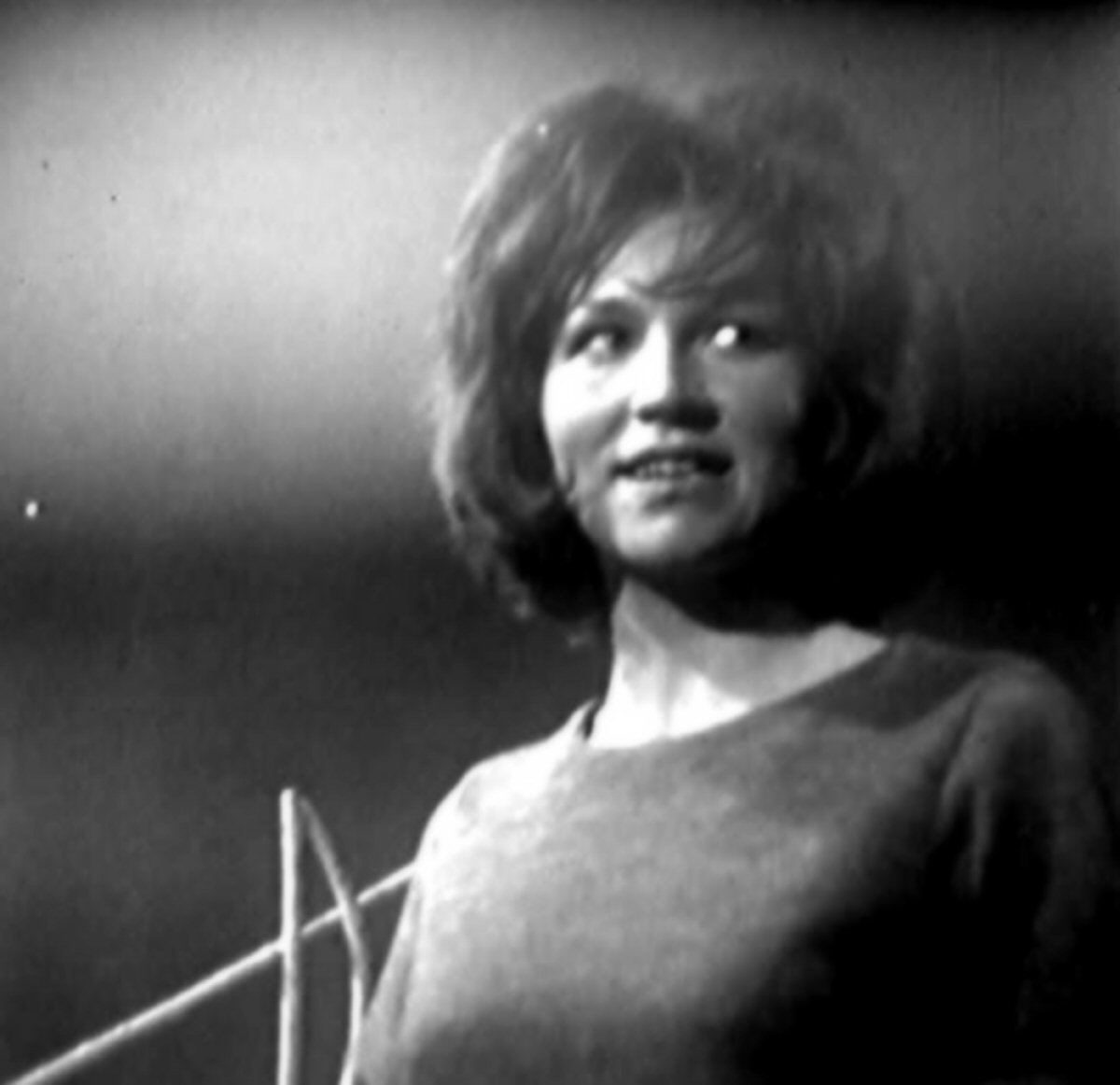
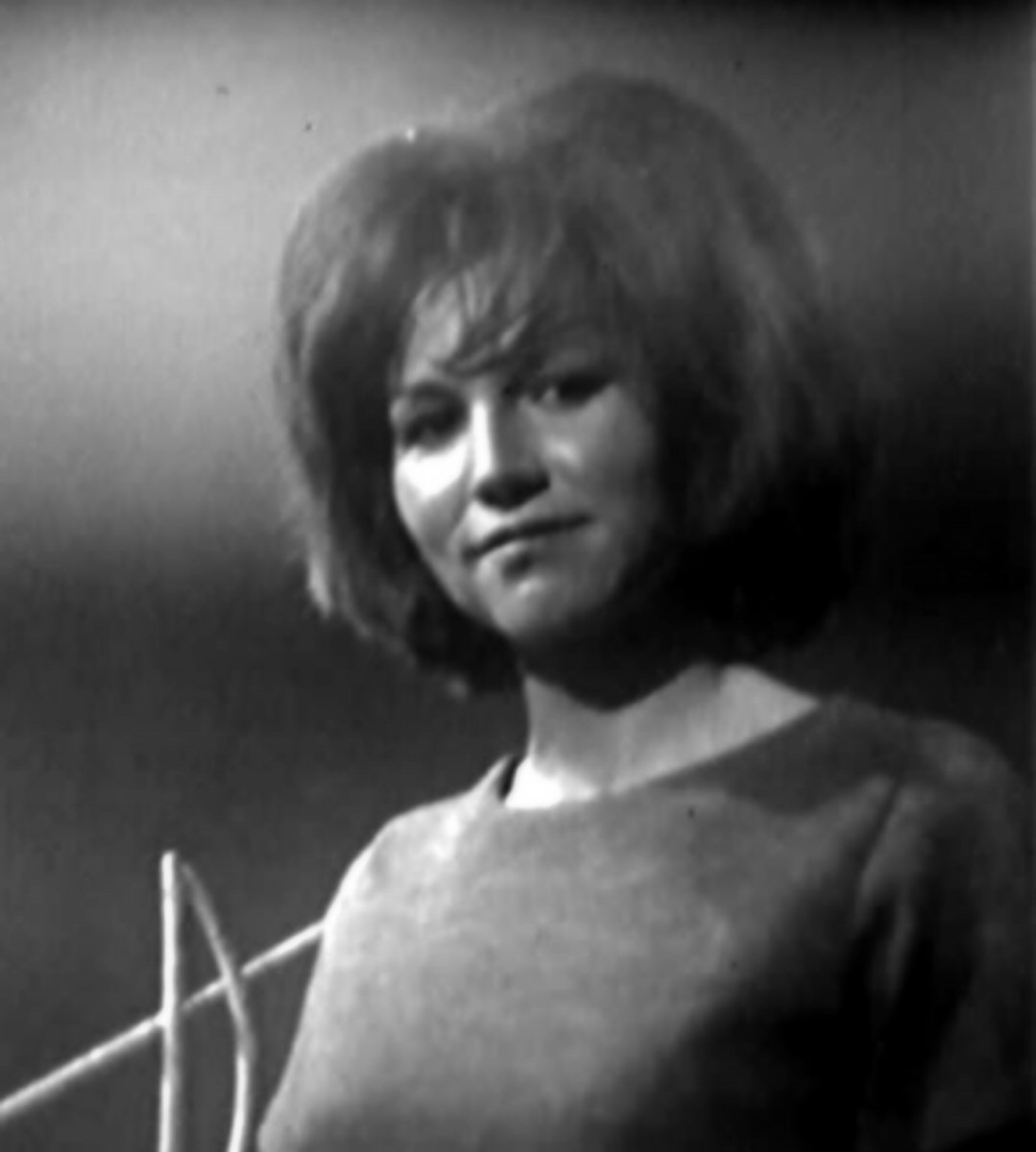
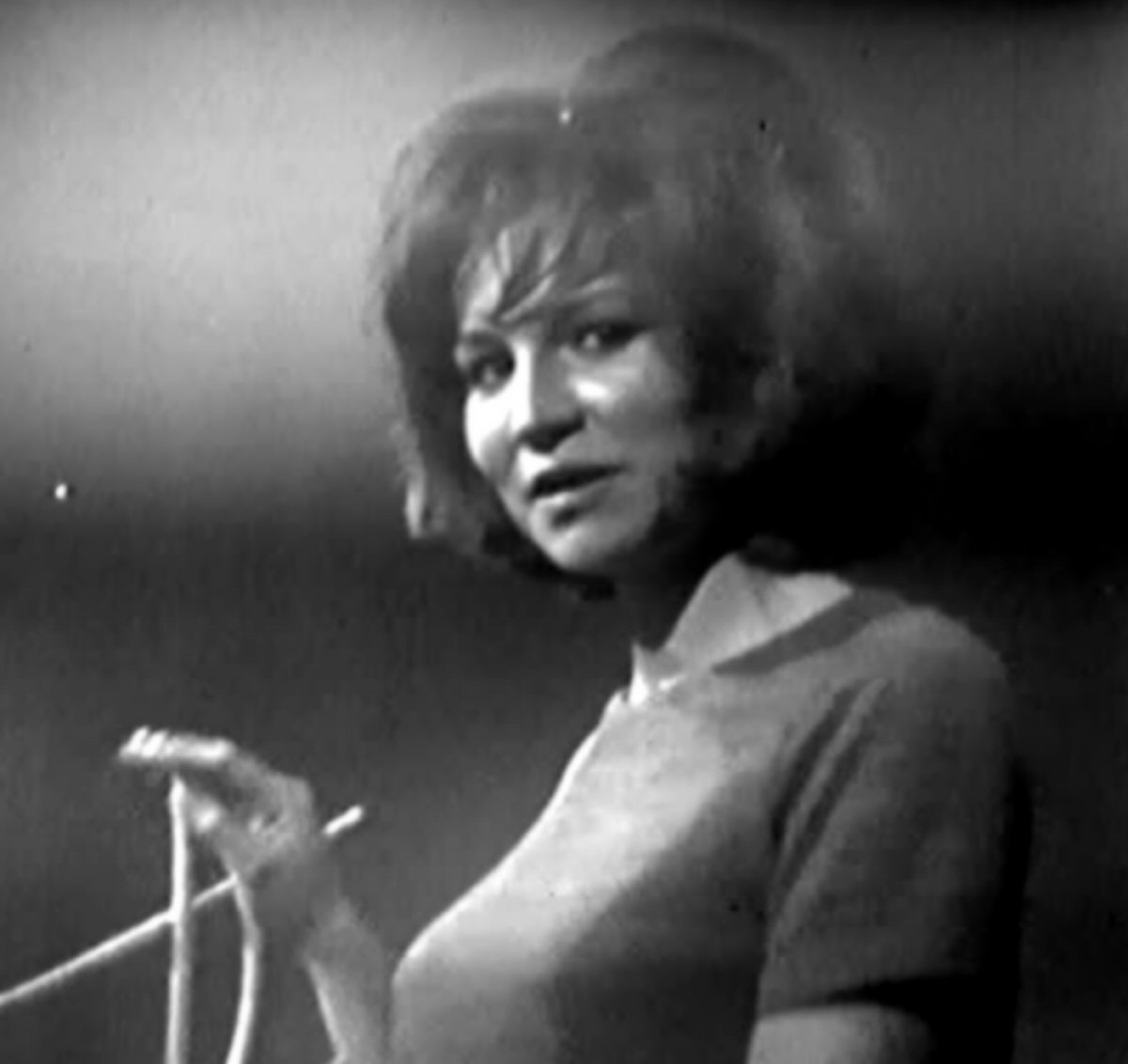
One of the very first TV appearance took place in 1963. Marta performed the song "Mit doma mesic jenom pro sebe" (To have the moon at home only for yourself).
 |
 |
 |
 |
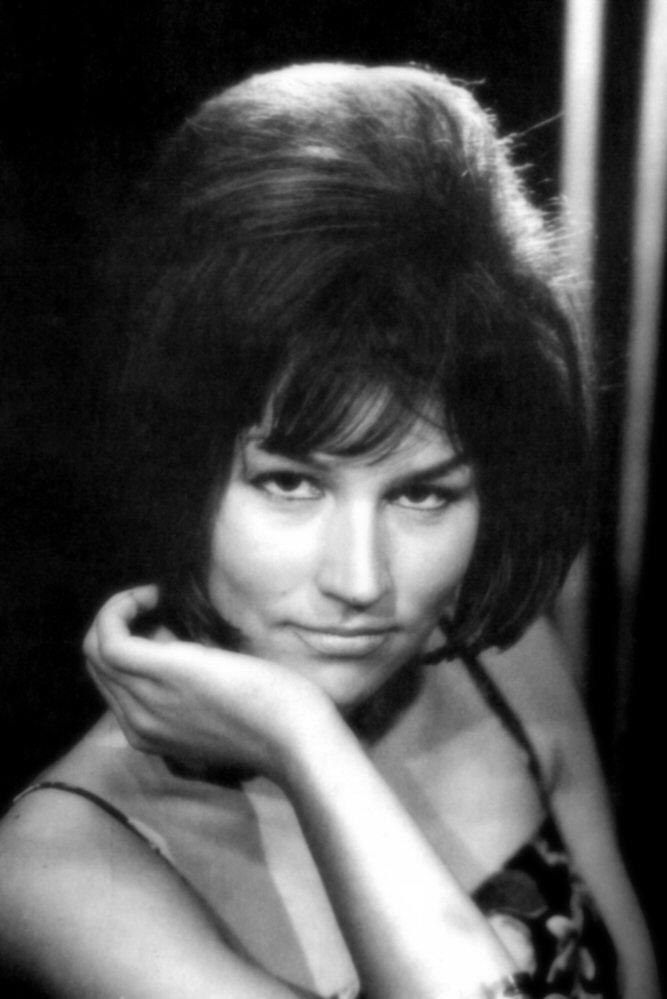
Marta stayed at "Alfa" until September 1964 when she received an invitation to Prague theatre "Rokoko". Marta became the star of the show immediately. She took over after famous by that time singer Eva Pilarova who decided to leave Plzen. In 1964 Helena Vondrackova joined the theatre team after winning the talent competition.
 |
 |
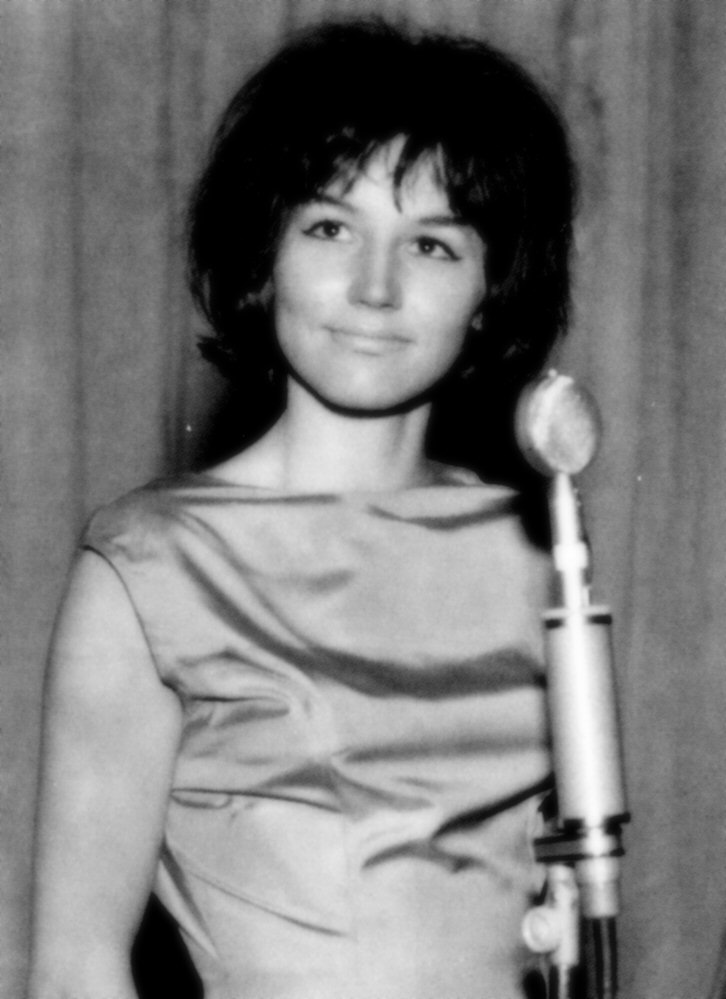 |
The first studio recording - the song "Mne se libi" (I like it) took place in Prague on September 25, 1963. Marta was still working in Plzen and that day she took train to the capital of Czechoslovakia to the studio in Strahov. The song was quite "old" as Marta had performed it already in the theatre in Pardubice some years before.
Marta who was quite unknown singer became popular during very short period of time. In 1964 she was on the 10th place in the competition "The Golden Nightingale" as the most popular female Czechoslovakian singer. In 1965 she came on number 4 and in 1966 she was the winner.
Marta became a pop star singing a very broad repertoire from evergreens through world hits and her own songs which were a mix of schlager and chancon.
|
|
|
|
|
|
On February 14, 1964 the show "Black dream" had its premiere in the Rokoko theatre. Marta was singing main parts in the show which was a mix of song, dance and magic. The performance was very jazz influenced.
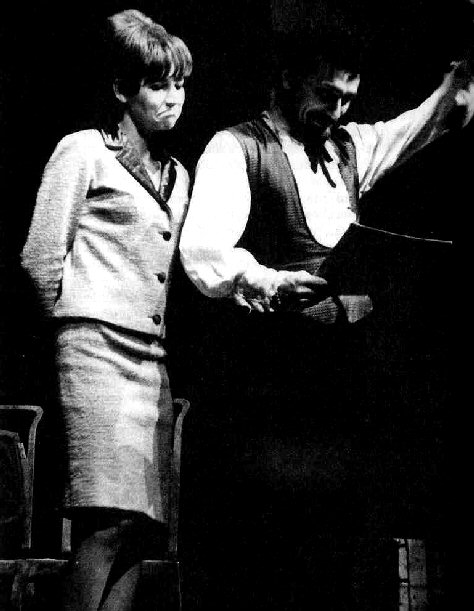
The year 1965 was very important as Marta made several recording sessions. The first at the end of January. In May 1965 Marta recorded for Czechoslovakian TV a traditional "On top of old smokey" with Czech text. The same song would be even covered by ABBA ten years later...
Waiting for the moon - the first hit single
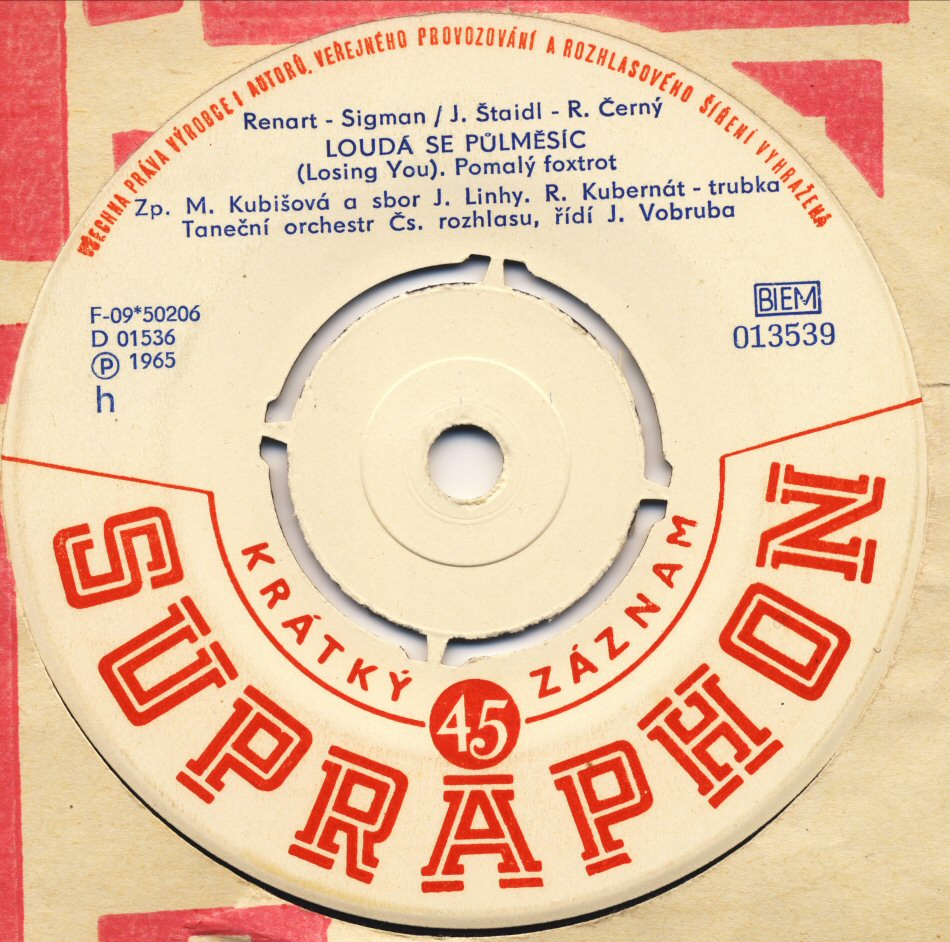
In 1965 Marta recorded one of her greatest hits during the first period of her career "Louda se pulmesic" (The moon is not there yet).
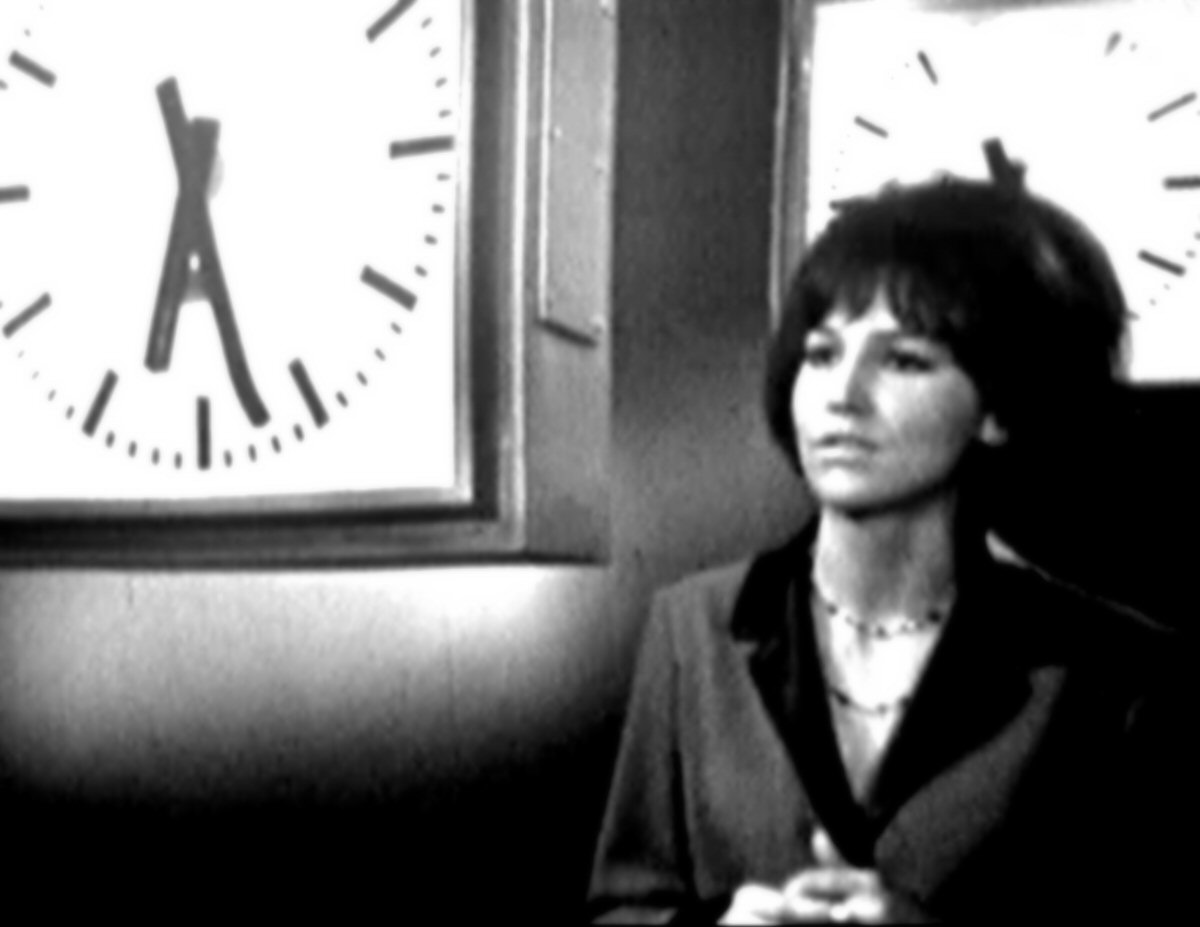
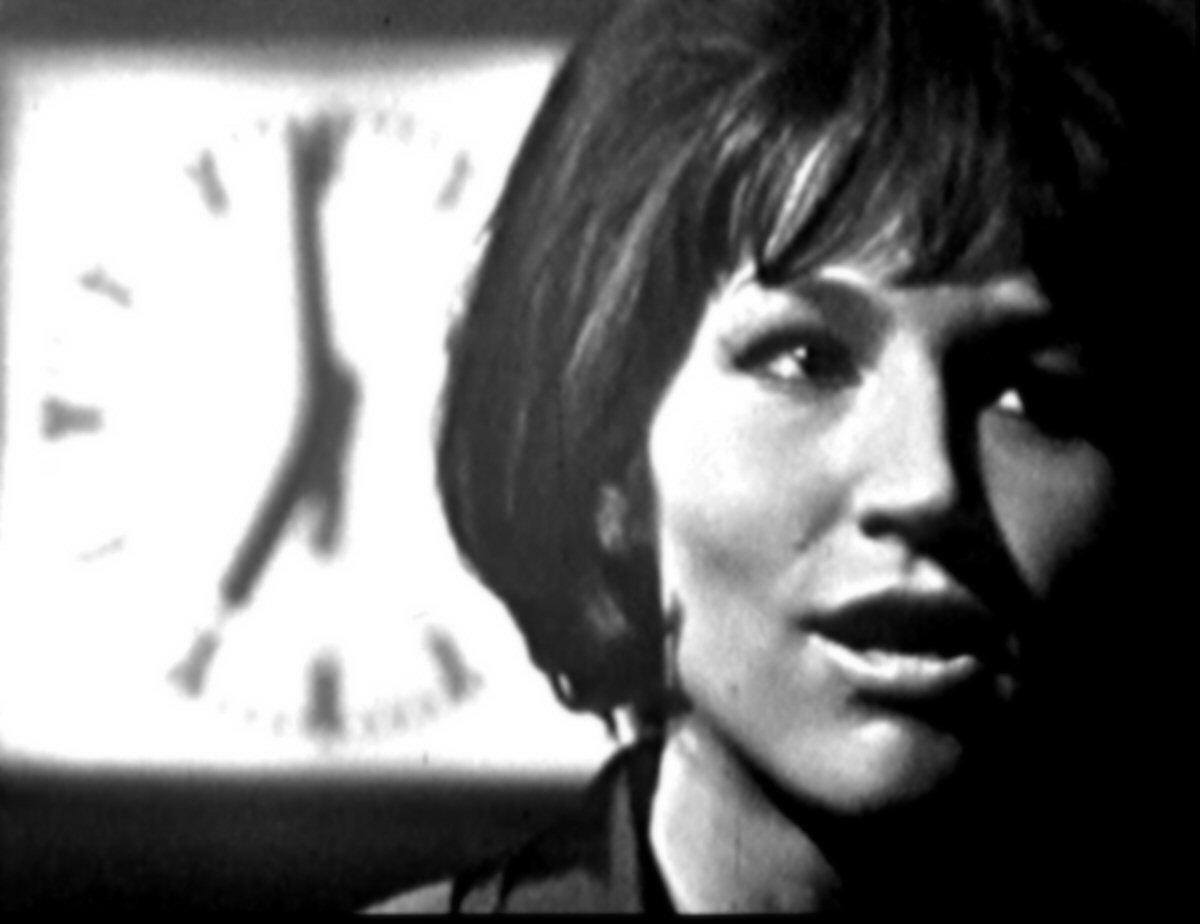
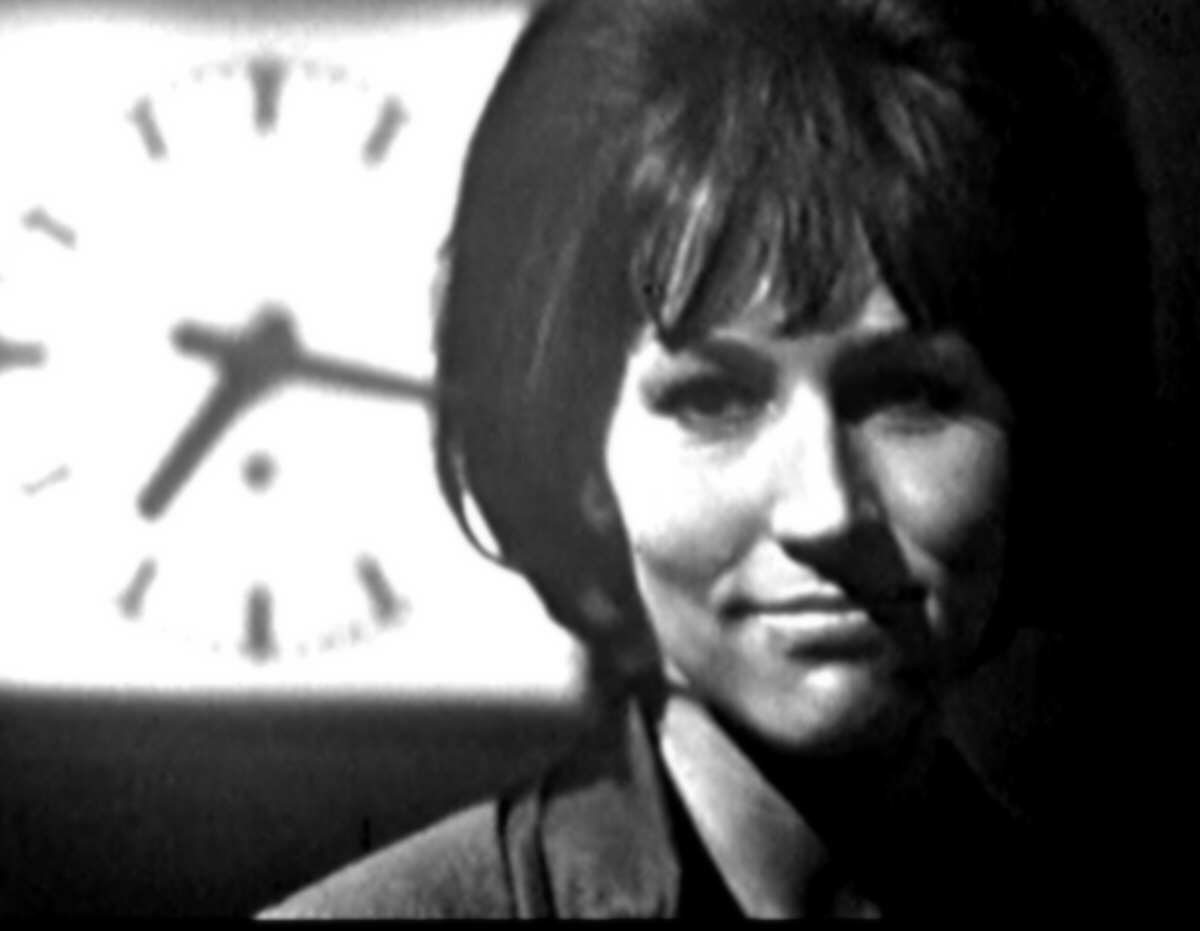
She recorded even a video for TV where she performed the song in front of big watches.
 |
 |
 |
 |
 |
International Jazz Festival
In October 1965 Marta performed on the International Jazz Festival at Lucerna in Prague.
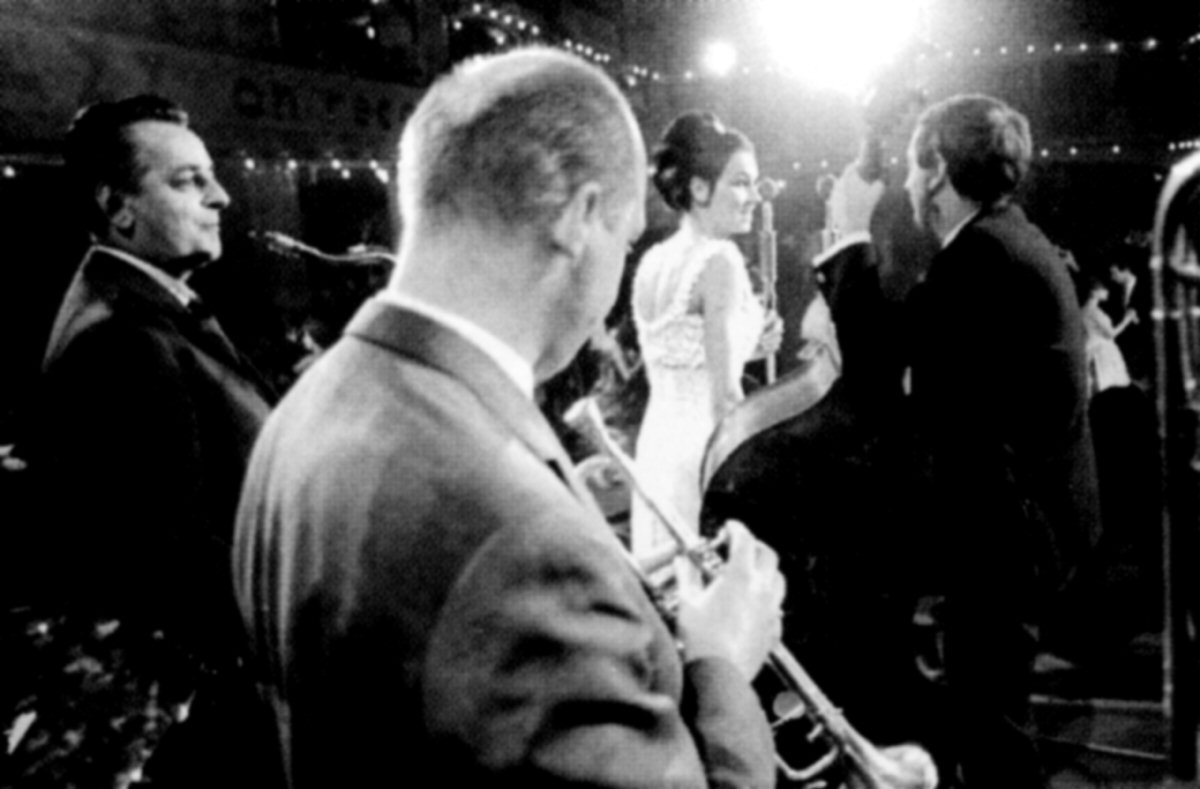
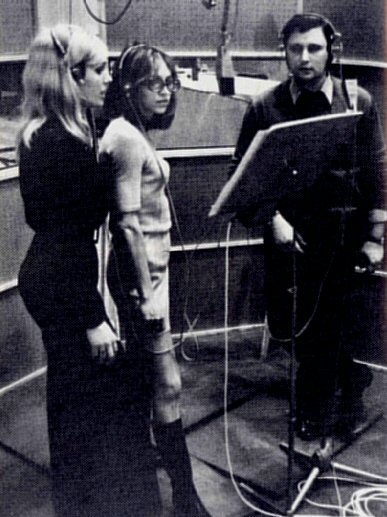
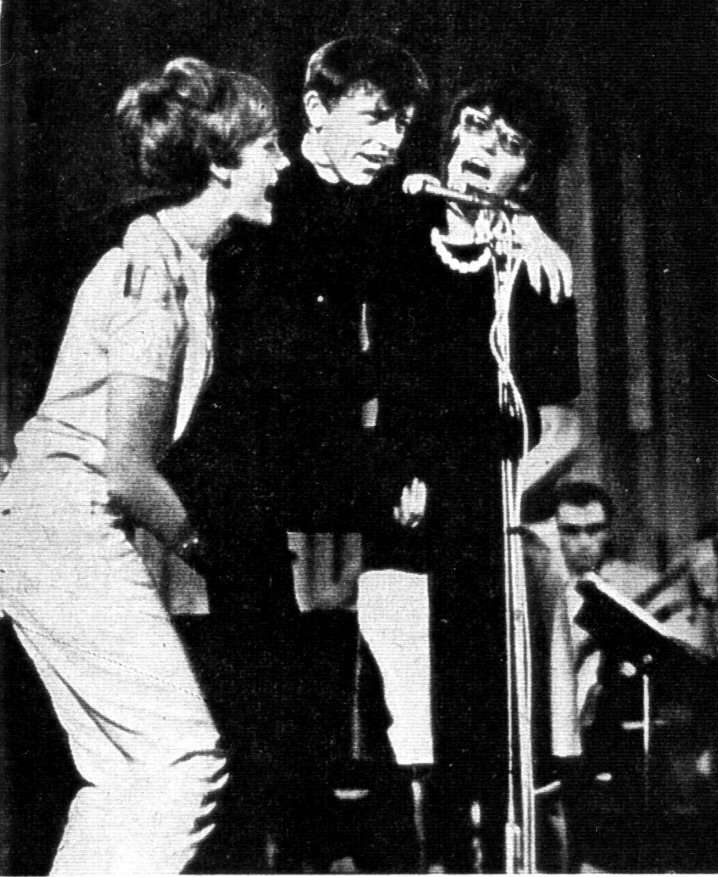
The beginning of the cooperation with Helena Vondrackova and Vaclav Neckar was confirmed musically in the recording studio in November 65 when the trio recorded their very first song together "Den zen" (The women day). Marta and Helena sang together "Prines ten klic, Tony" (Bring this key, Tony).
|
|
|
|
|
|
Waiting for Fame
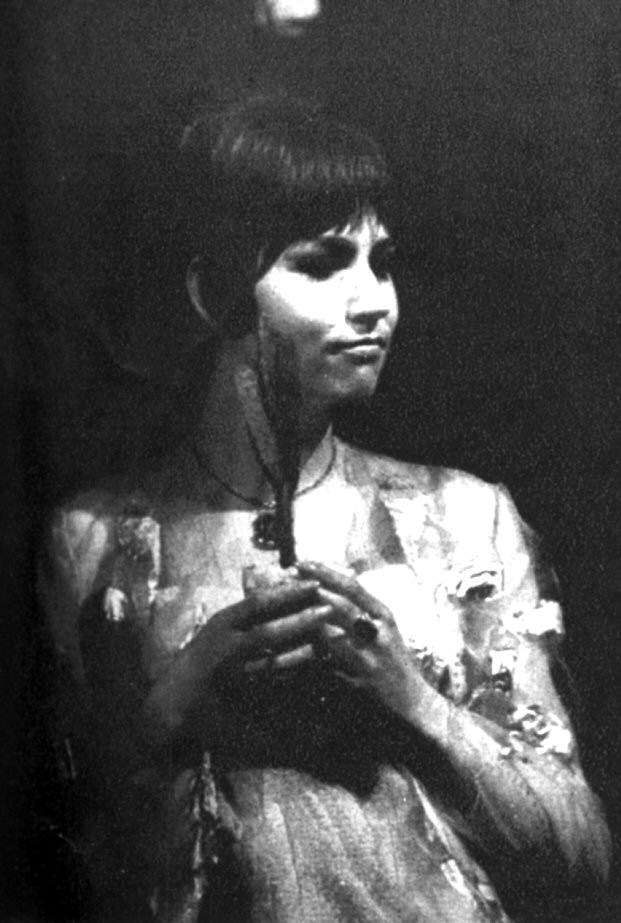
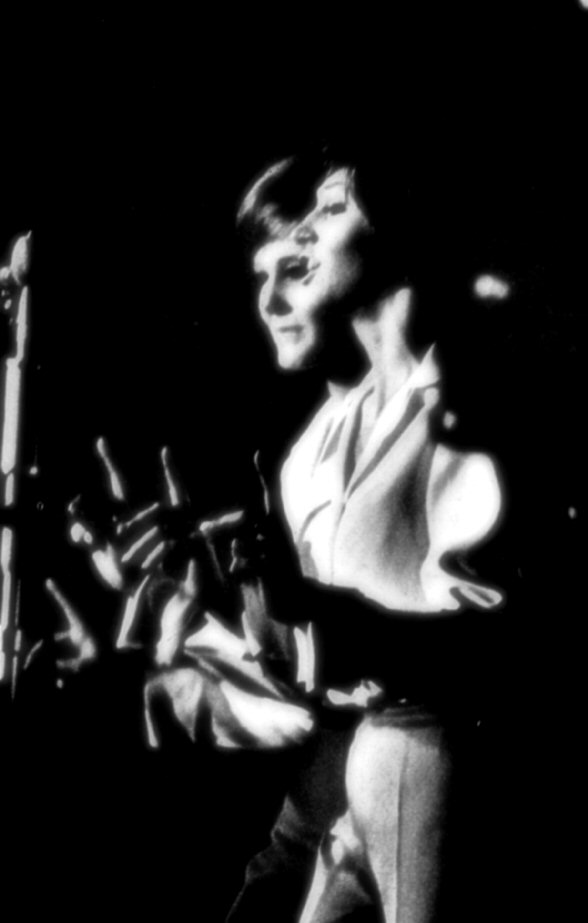
New musical at the Rokoko theatre in Prague was entitled "Waiting for Fame" and it had its premiere on 1 January 1966. The songs were written mostly by Jan Schneider & Bohuslav Vondracek and the show featured Marta, Helena Vondrackova and Vaclav Neckar playing main parts. They sang songs which would become big hits in Czechoslovakia.
 |
 |
At the beginning of 1966 Marta participated in a TV show "Kdo, s kym, o cem, pro koho?" (Who, with whom, about what, for whom). The show featured well-known composers and lyric writers as well as singers. The composers and lyric writers drew lots with information what kind of song they had to compose as well as which singer would perform the song in the show. Marta was chosen for singing the song "Dasa" which became later a big hit.
|
|
|
|
|
|
In March 1966 Marta was approached by a producer of a compilation "Scenes from the most famous American musical". She was asked whether she was interested in recording a duet with Czech pop star Eva Pilarova. The chosen song was Leonard Bernstein's "America". The both singers agreed to do the recording but they ... never met each other in the recording studio. They recorded though their parts of the song and everything was mixed together. Pilarova and Kubisova performed the song together 25 years later on Pilarova's concert in November 1993.
Bratislavska lyra 1966
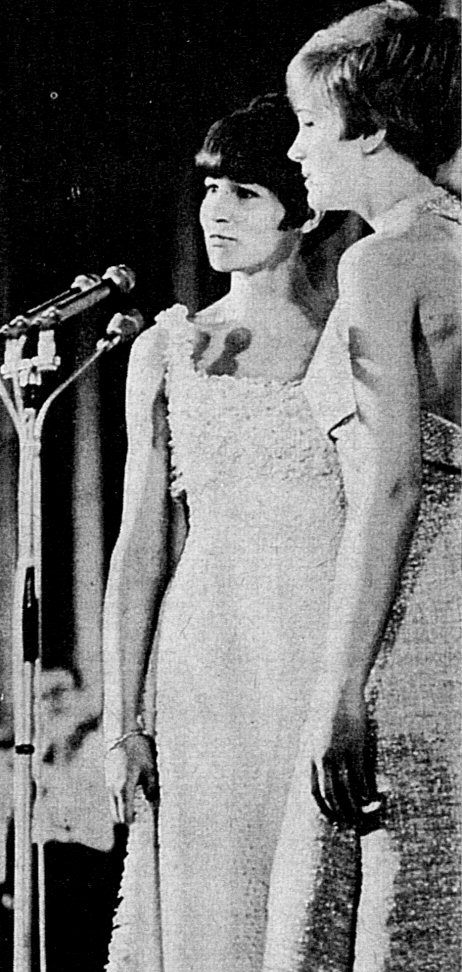
One of the biggest hits ever performed by Marta and Helena Vondrackova together "Oh baby baby" was recorded on May 23, 1966. The song was aimed for the festival "Bratislavska lyra 66". The composer Bohuslav Ondracek wanted see both girls looking like two flowers. The main element on stage was a big and high stair. Marta and Helena dressed in long dresses would go all the way downstairs. Marta remembers that it was the most horrible moment during their performance. Helena held hard Marta's hand with every step they took but everything went very well as soon as they reached the stage. Marta and Helena received the second prize (Silver Lire) for "Oh baby baby". Helena, Marta and Vaclav Neckar performed together during the festival even as the members of the Rokoko Theatre.
|
|
|
|
|
|
Oh Baby Baby - the video
|
|
|
|
|
|
In the summer of 66 Marta was back in the studio recording "Nepis dal" (Do not write any more) written by famous Czech composer Lada Staidl. The funny thing about this recording was that Marta did her first version of this song in the studio in her "usual" jazz-chancon way. Staidl was not satisfied with the recording and wanted her to do it in a more "modern" bigbit way. As Marta had difficult to find the right sound Karel Gott recorded more up-tempo version as a demo. Finally even Marta found the "bigbit" sound and the song was successfully re-recorded. "Nepis dal" is still performed by Marta on all her concerts.
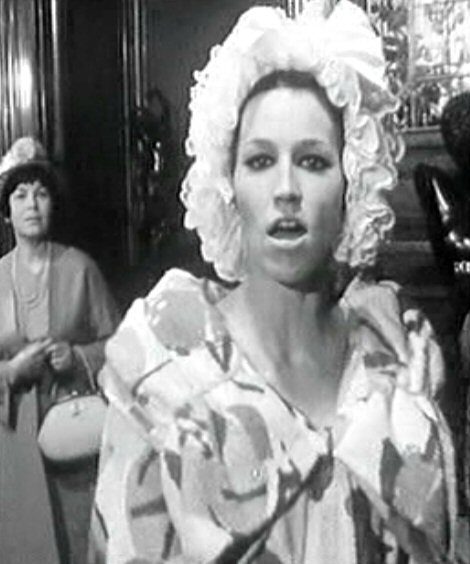
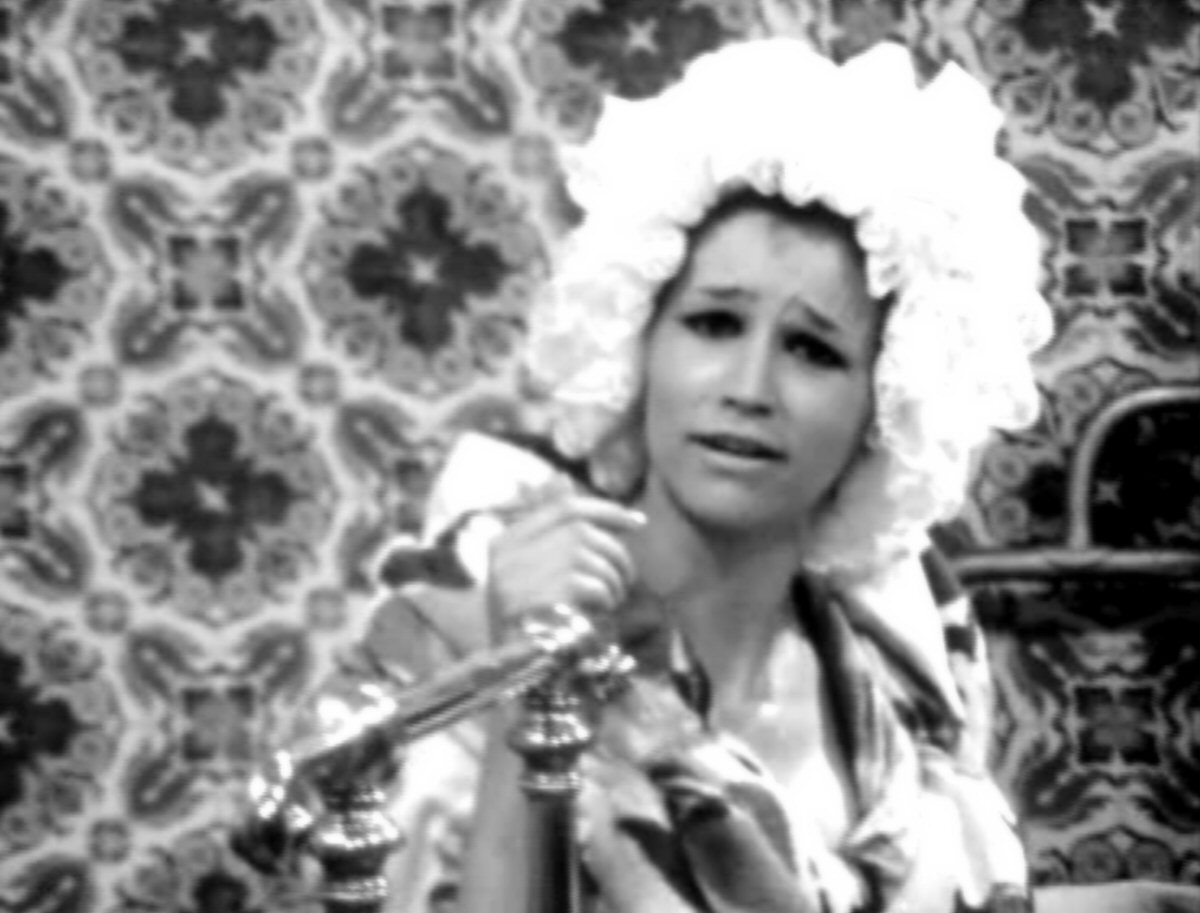
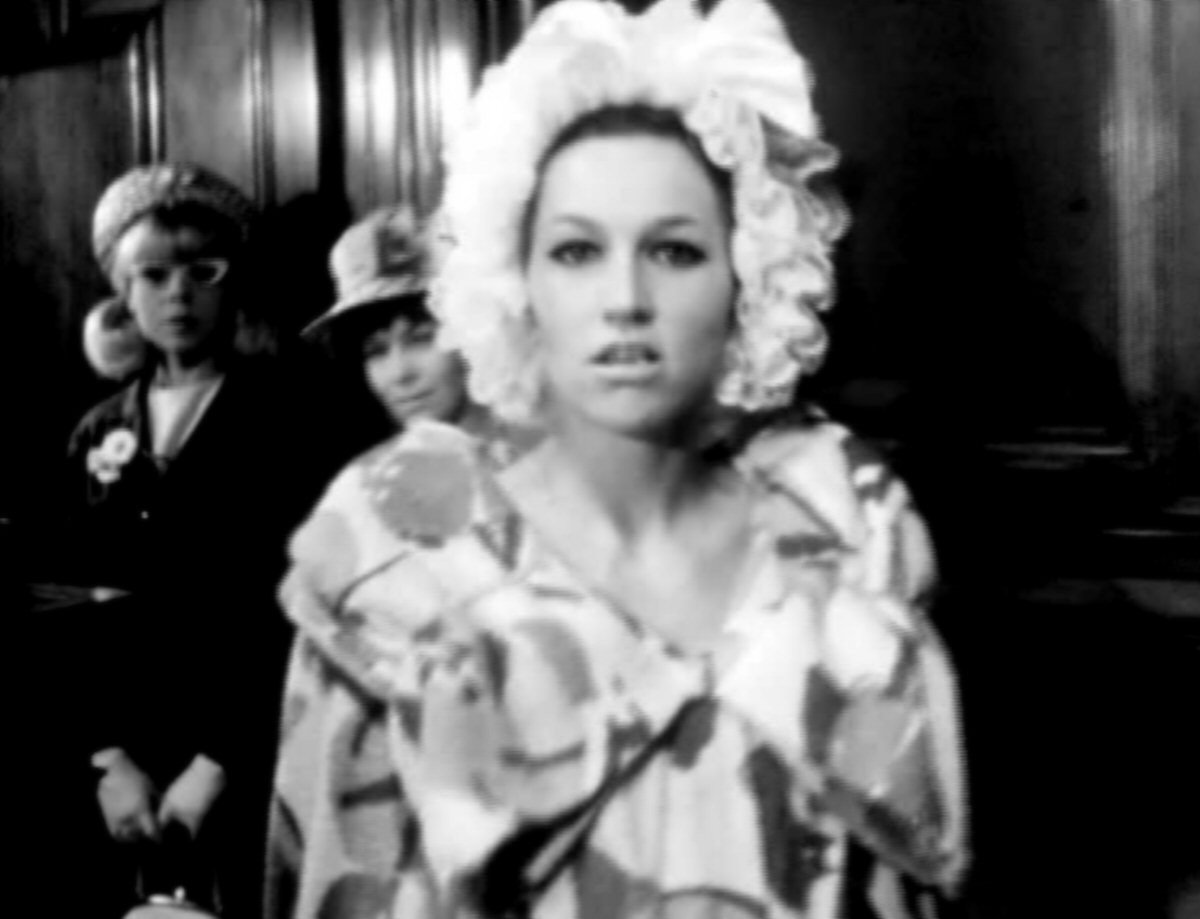
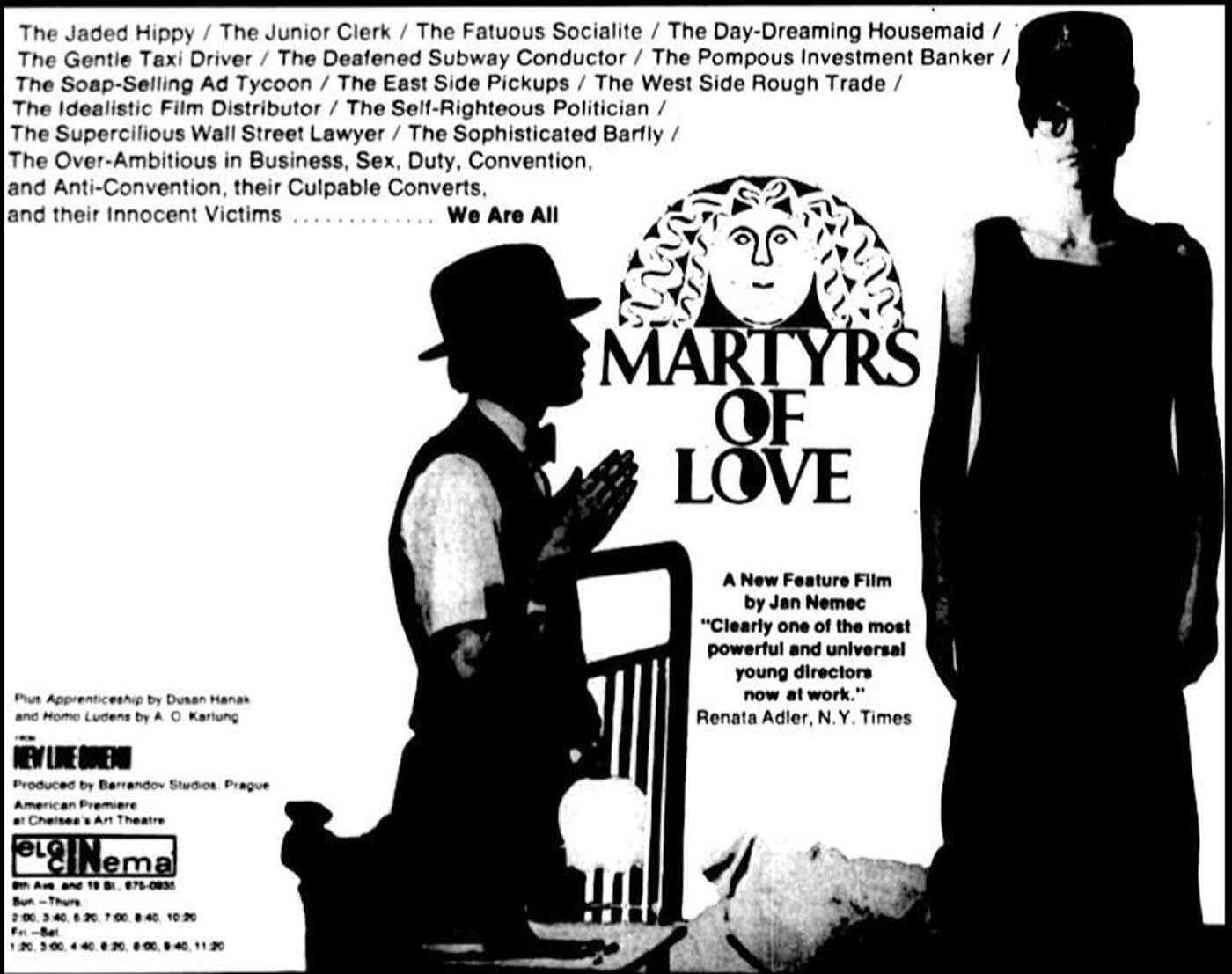
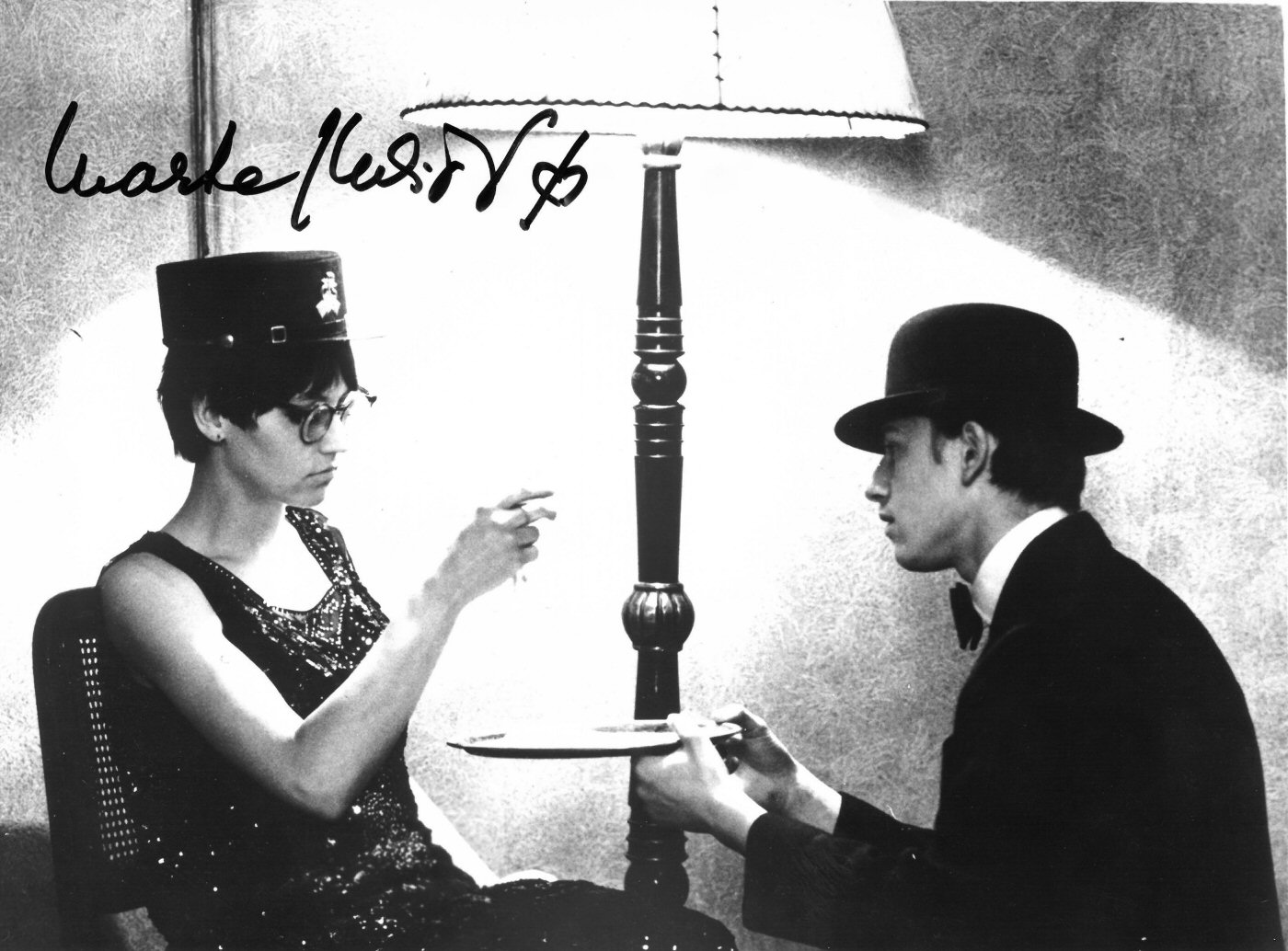
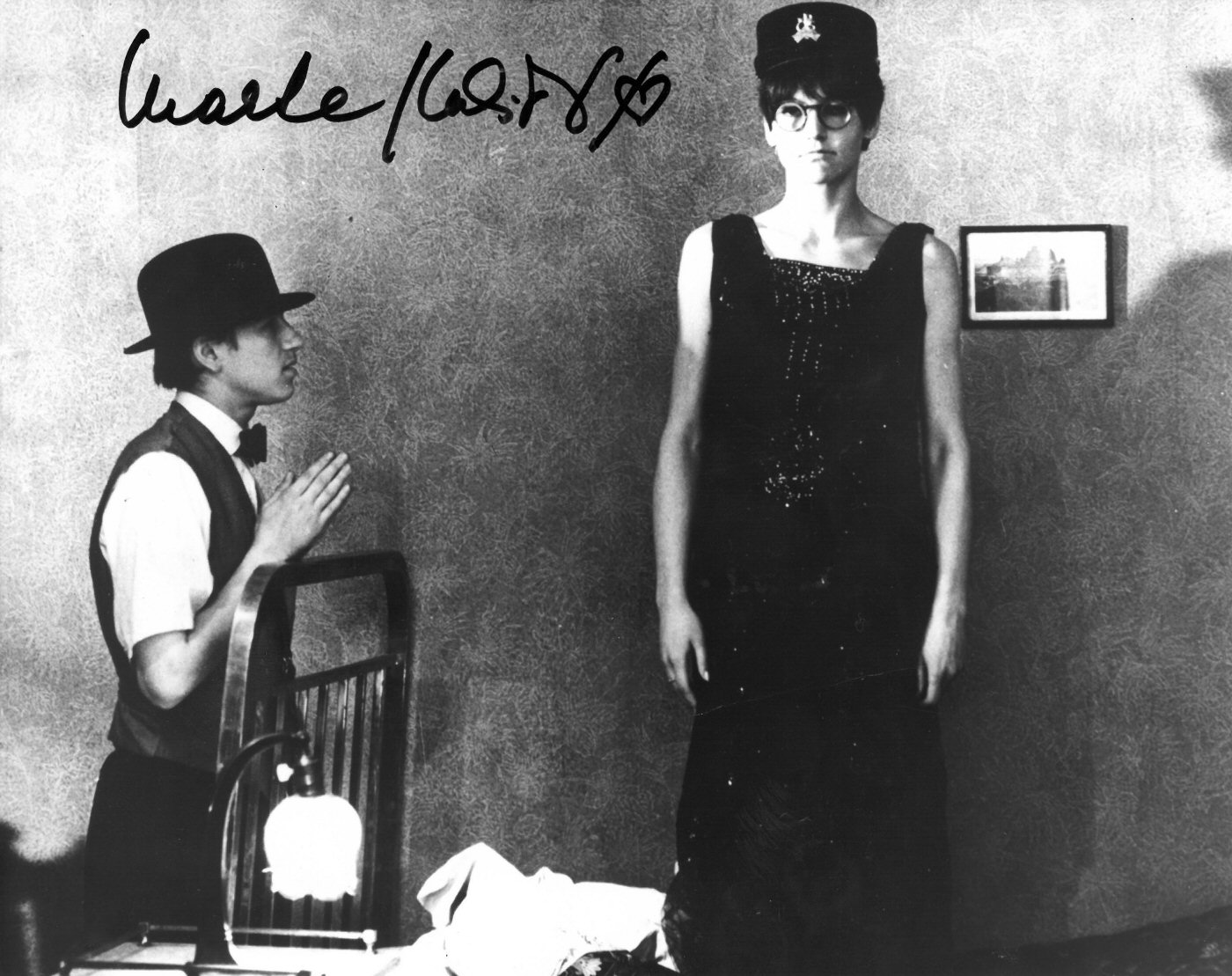
In 1966 Marta received her first film contract. She acted in the movie picture "Mucednici lasky" (Martyrs of love) directed by Jan Nemec (Marta's future husband). Marta performed "Jakube Jakube", probably one of the most beautiful songs Marta ever recorded. The movie had its premiere in Czechoslovakia in the spring 1967.
Summer
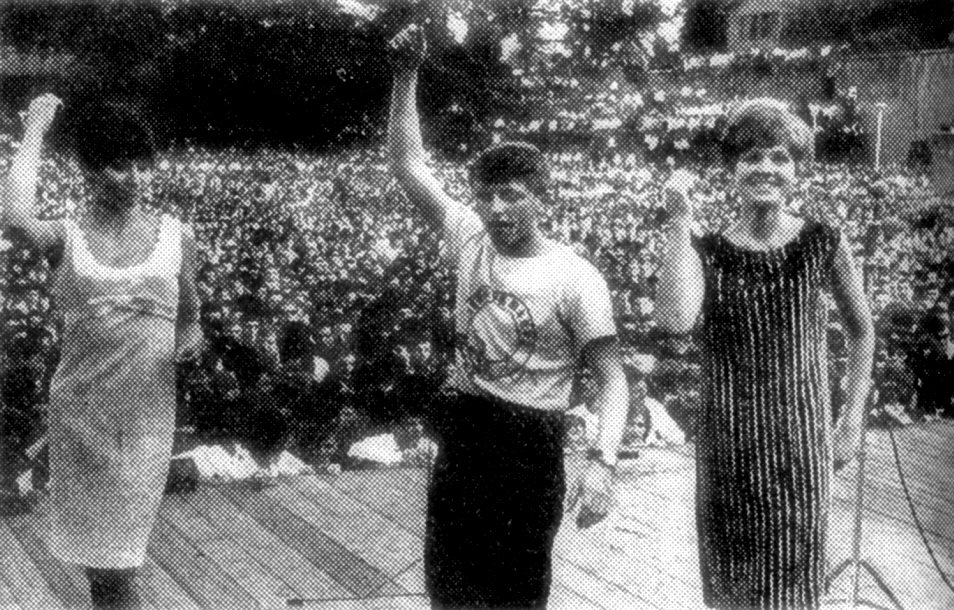
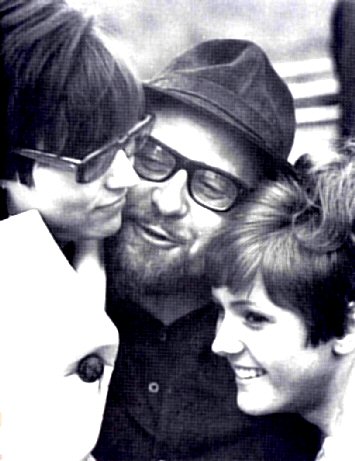
Helena, Marta and Vasek performed on the student festival "Majales" in the summer 1966.
 |
 |
 |
In October 66 Marta recorded her version of the world hit "La Paloma" and in November was she back in the studio together with Helena Vondrackova recording Charles Aznavour's song "Donchuan s klarinetem" (Don Juan with clarinet). One more song was recorded during this session on November 10th, 1966 "Depese" (Letters) written by a young composer Karel Svoboda. This song would become his first smash hit. Svoboda is today one of the biggest Czech pop composers.
With great pleasure
In 1966 Marta recorded "S nebyvalou ochotou" (With great pleasure) which was a cover of "Walkin' Back To Happiness" originally performed by Helen Shapiro. The song was Shapiro's number 1 hit in September 1961.
 |
 |
 |
The Rokoko team with Marta and Helena went on November 16, 1966 on tour in Soviet Union which would last for 3 weeks.
Five years after the debut Marta Kubisova was the most successful singer in Czechoslovakia which was confirmed in December 1966 when she received the highest pop prize - Golden Nightingale as the best female singer in the country!
The Bratislava festival
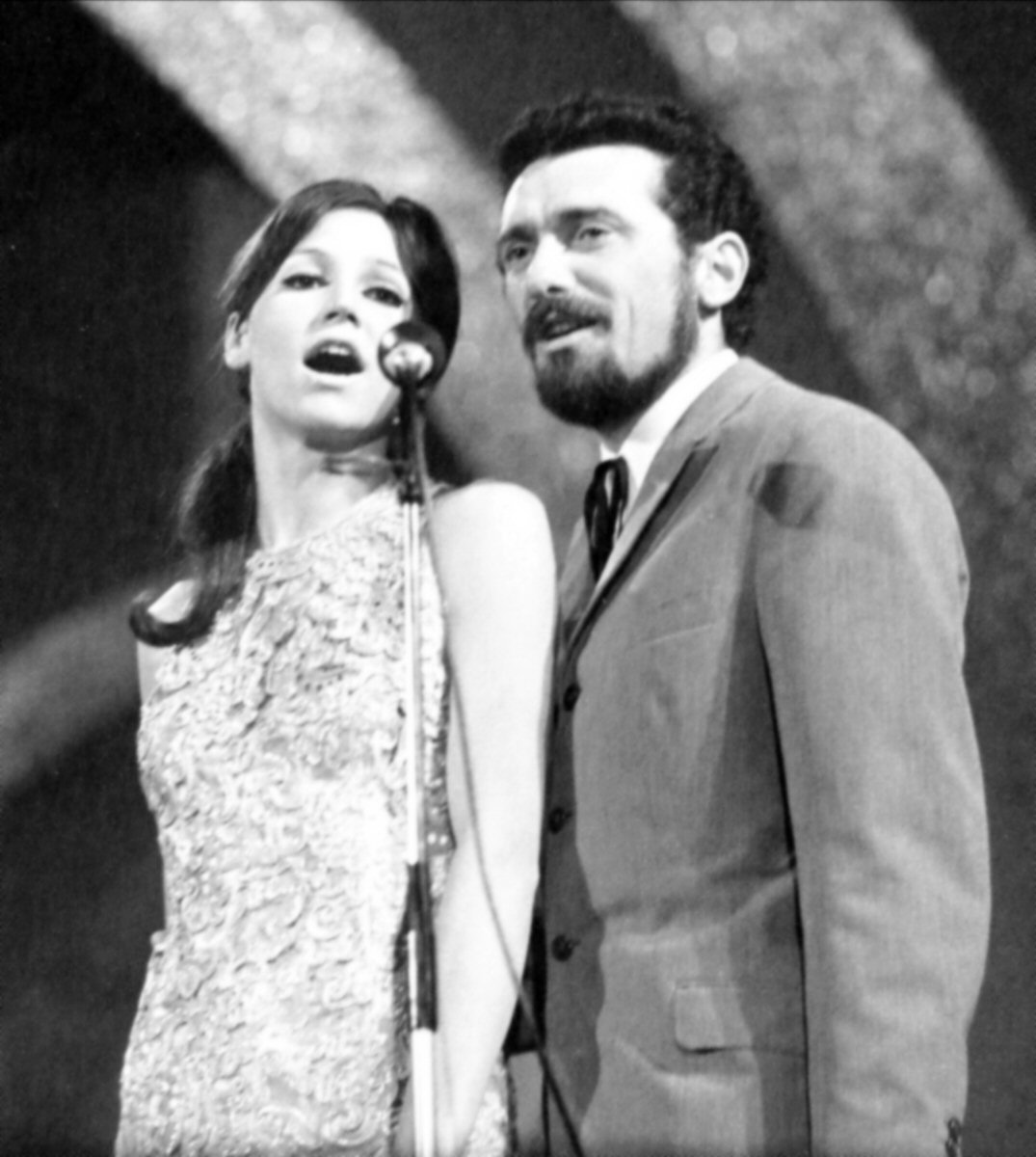
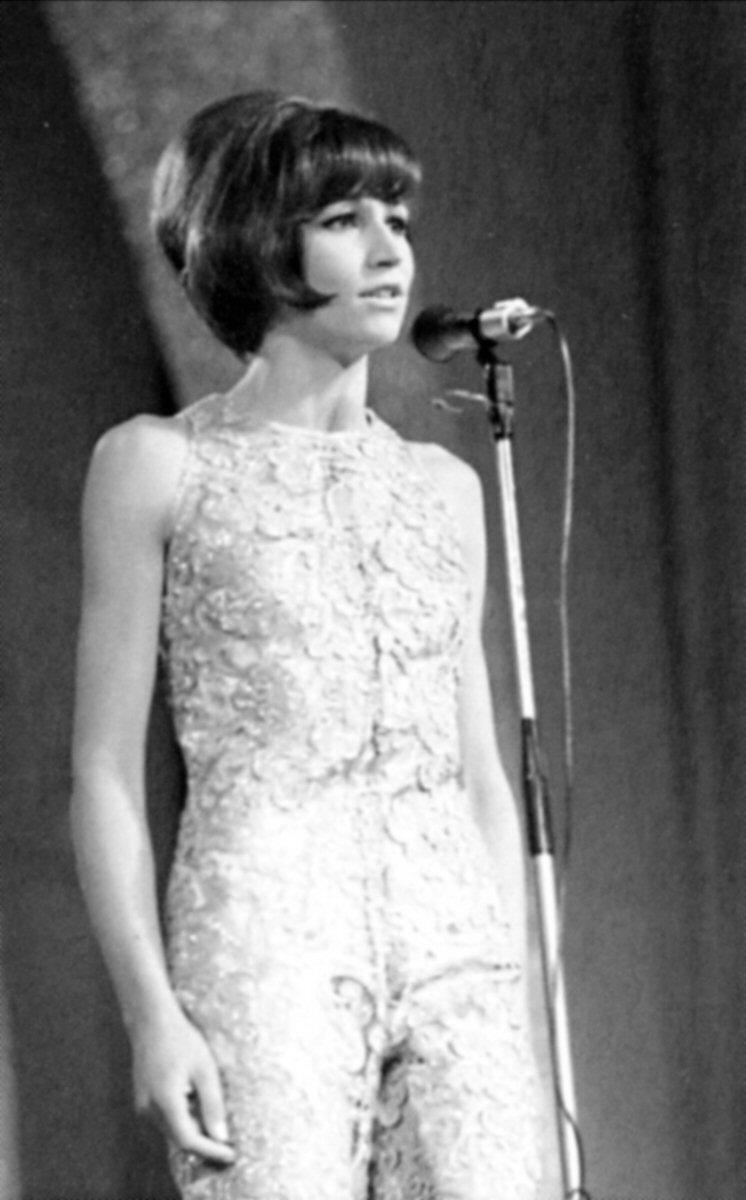
Marta participated in the Bratislava festival "Golden Lyre" even in 1967. After the great success with "Oh baby baby" performed with Helena Vondrackova in 1966 Marta was back on Bratislavska Lyra and sang duet again, this time with Waldemar Matuska. The song chosen for the festival was "Nech tu lasku spat" (Let this love sleep) which had been recorded in May 1967. Marta remembers that Waldemar Matuska had big difficulties with remembering the lyrics. He did not remember them even on the final rehearsal on the festival. Marta and Waldemar received the third prize though.
 |
 |
 |
 |
Marta on TV
|
|
|
|
|
|
Songs for Rudolf III
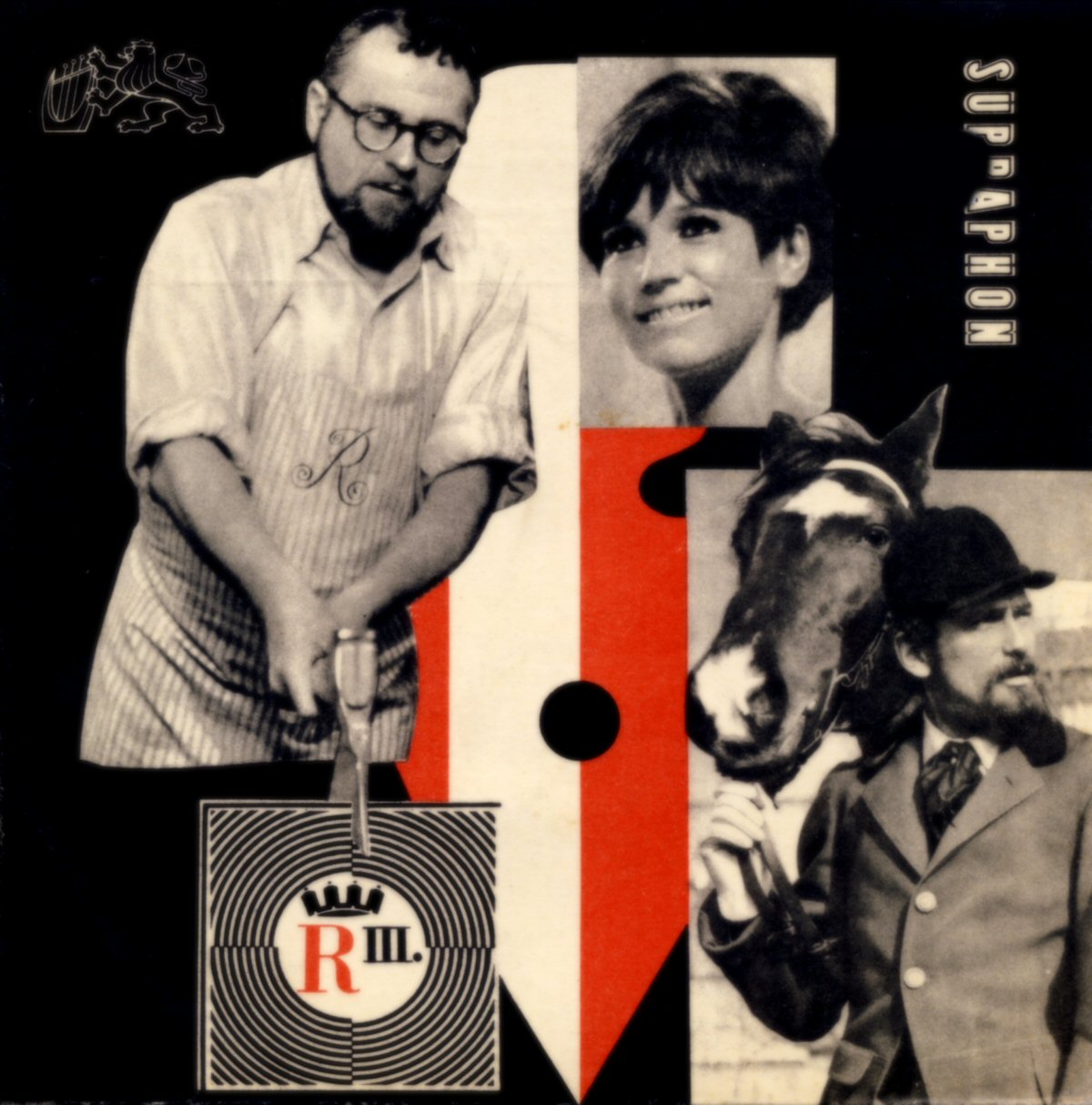
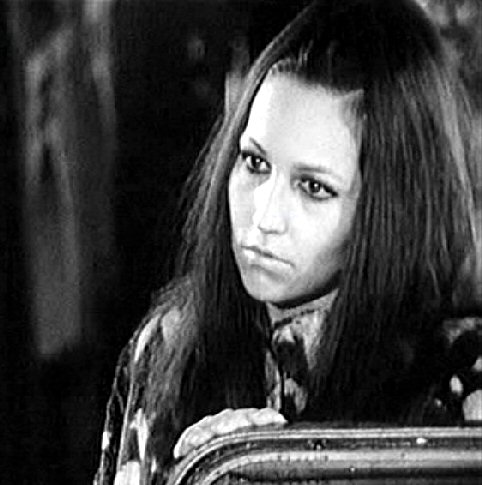
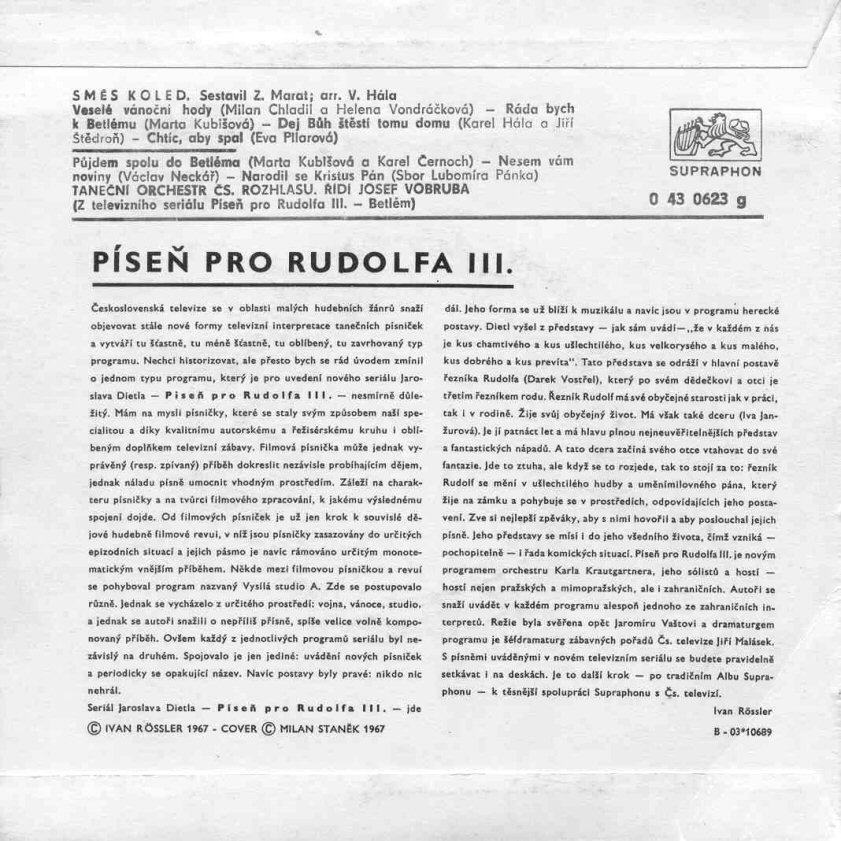
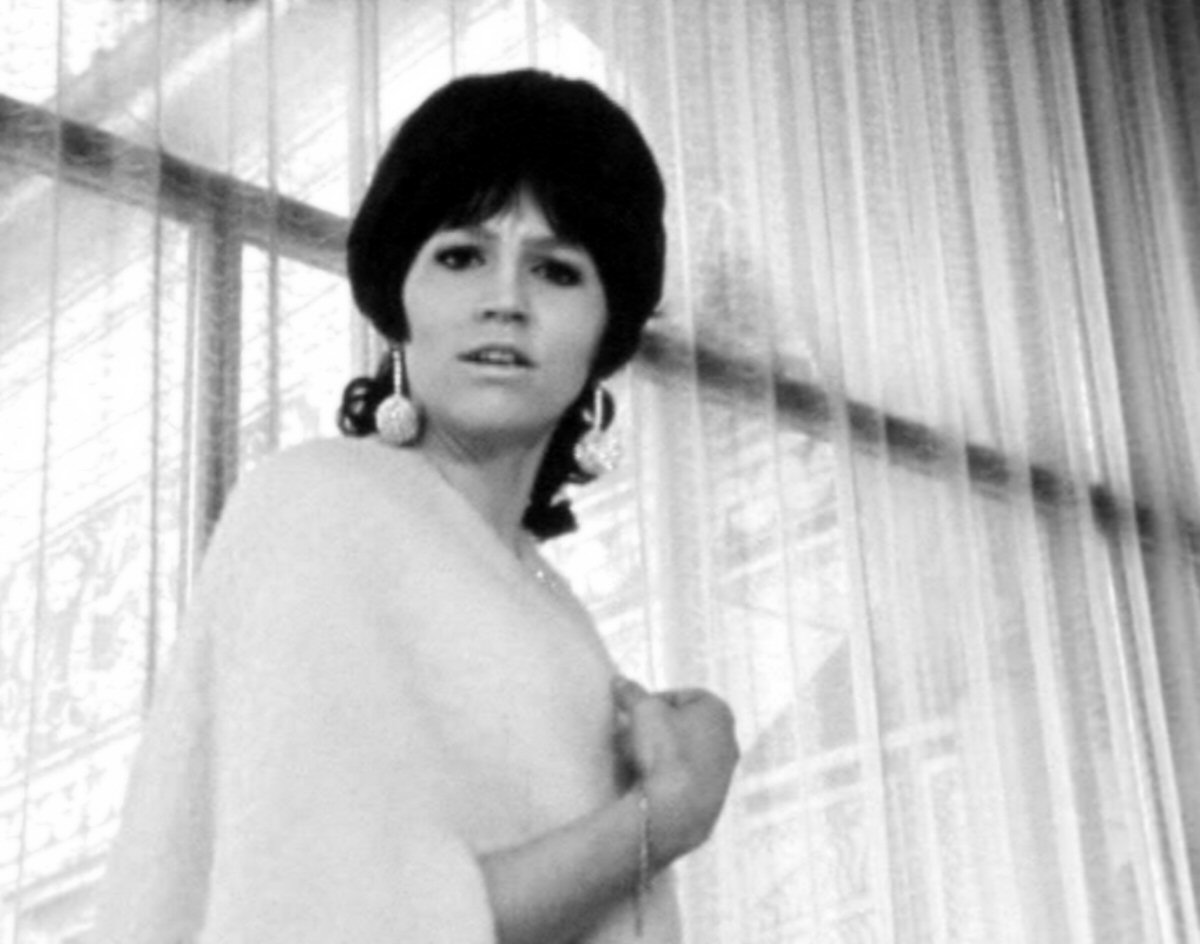
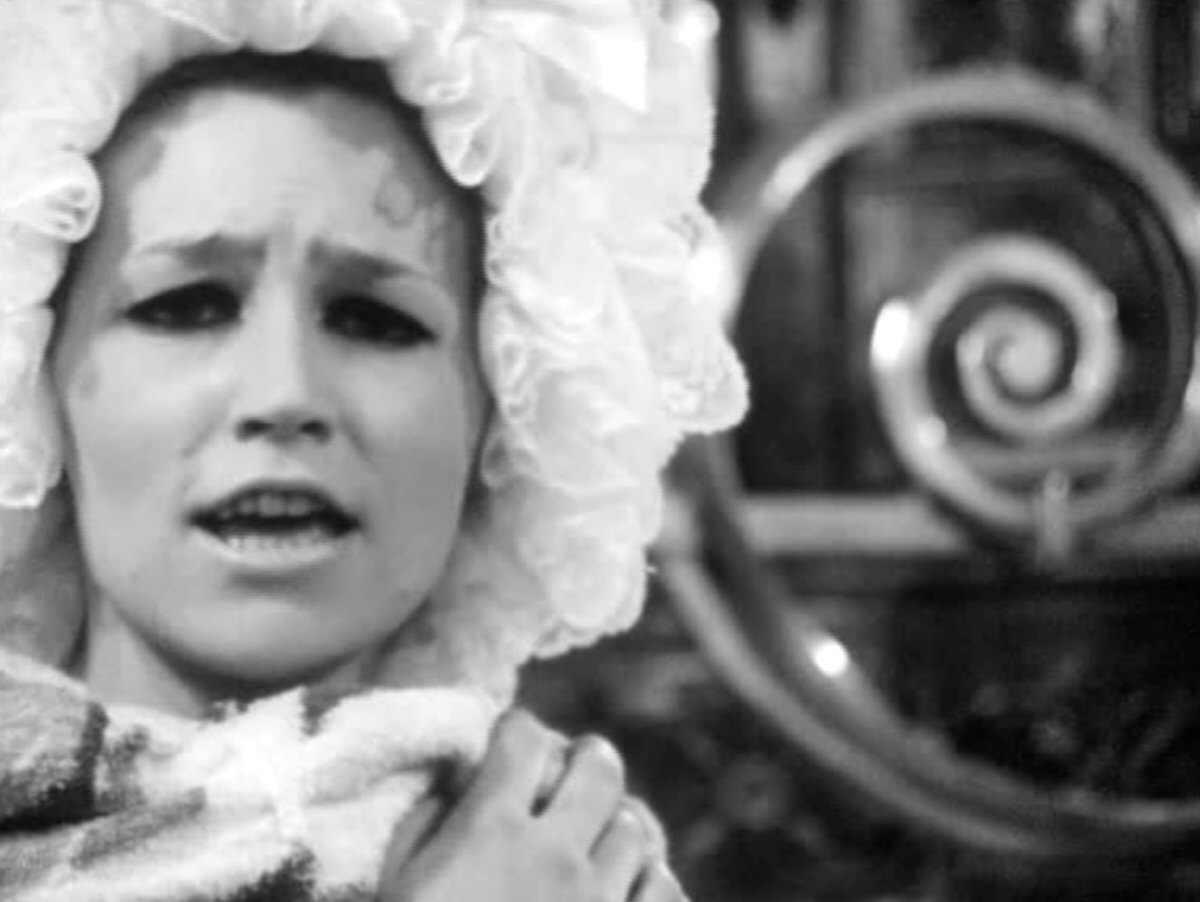
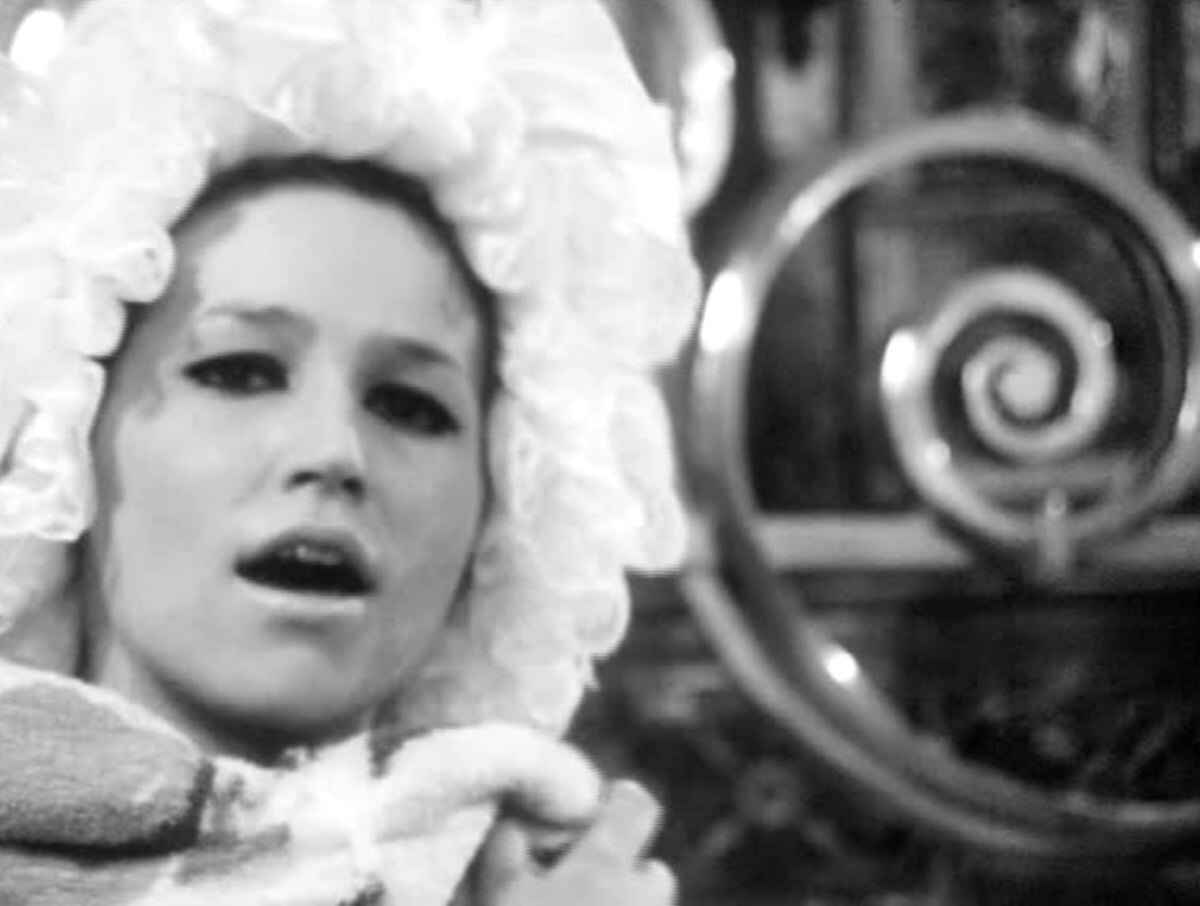
Czechoslovakian TV started in 1967 a new entertainment series "Pisen pro Rudolfa III" (The song for Rudolf the 3rd). The first show was aired on April 1st, 1967 and all famous artists were invited. Twelve current hit songs were presented in each programme and of course Marta, Helena and Vaclav Neckars were among the singers performing in the shows. The show had a tiny story line but the main purpose was of course to create a pop show.
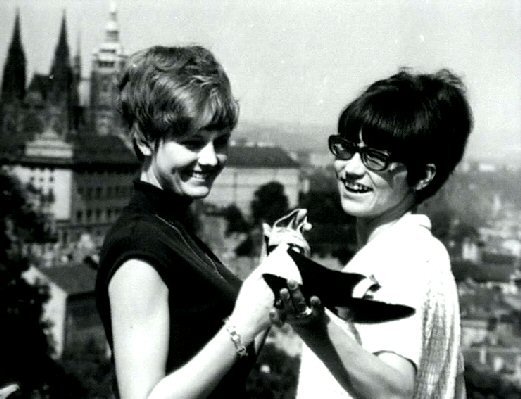
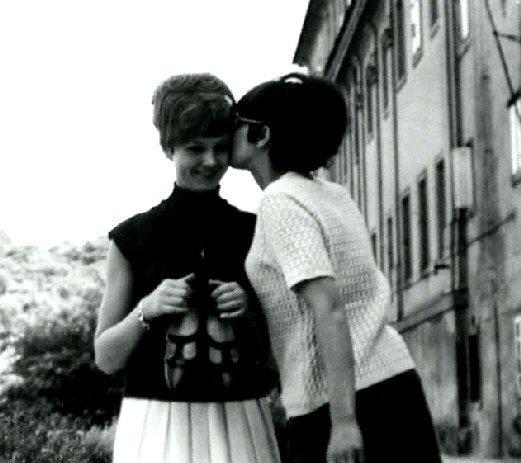
Marta in the first film entitled "The armchair" and the second film entitled "The man in the riding coat"
|
|
|
|
|
|
 |
 |
 |
 |
 |
Martyrs of love - the movie
The 1966 film "Martyrs of love" was shown in Prague's cinemas and one of the songs "Jakube Jakube" recorded by Marta was released as a single in the spring 1967. The second song recorded by Marta for this movie "Nebot co je to clovek" would be unreleased until 1997 when it came out on CD in the "Marta Kubisova Collection" series.
 |
 |
 |
Marta performed on stage in Rokoko theatre in French comedy "Leonarde, tys nam dal".
In the summer of 1967 Marta, Helena and Vasek went on a three-week-tour in Germany, Austria and Switzerland including a TV appearance recorded by Hessischer Rundfunk in Frankfurt am Main.
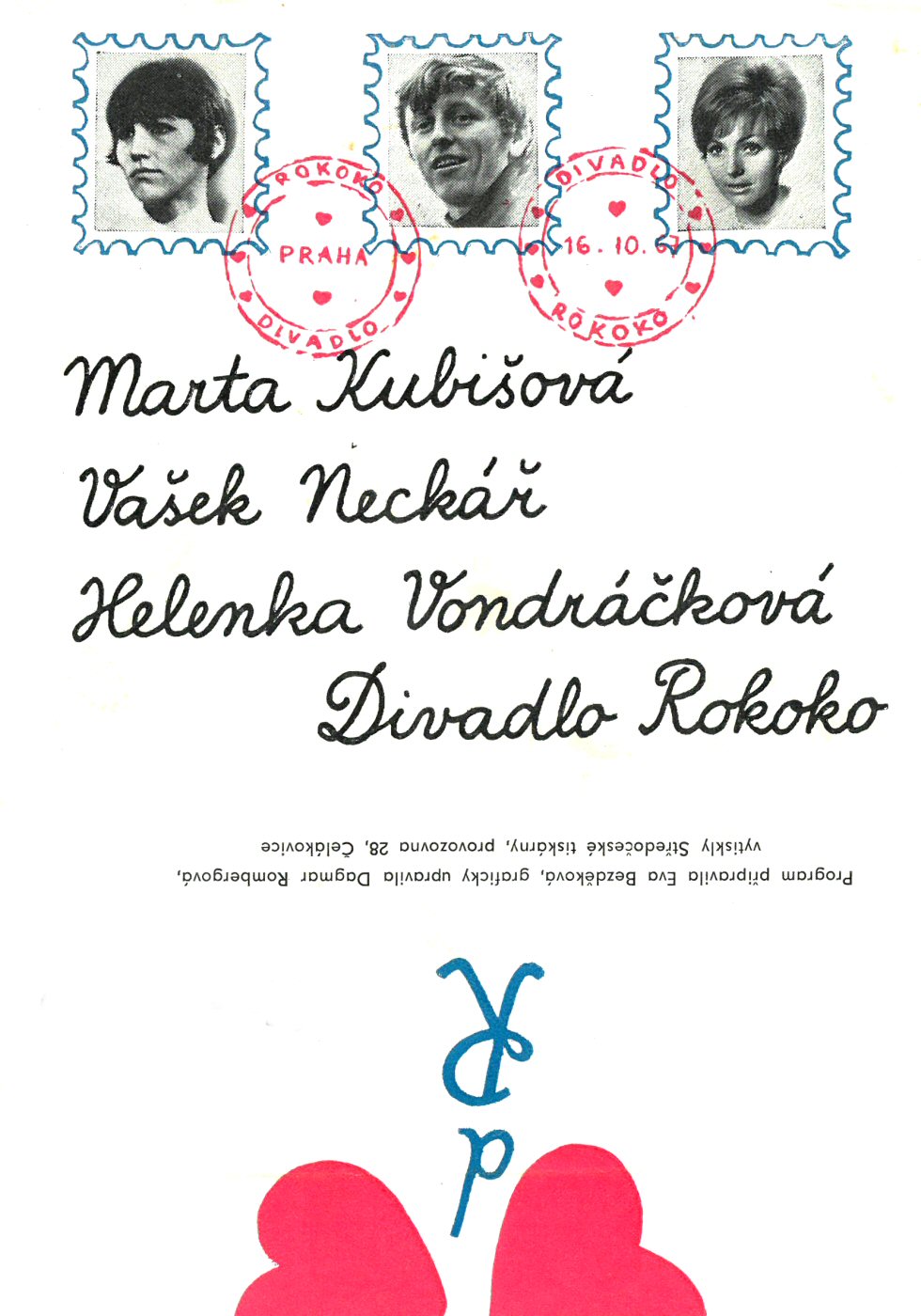
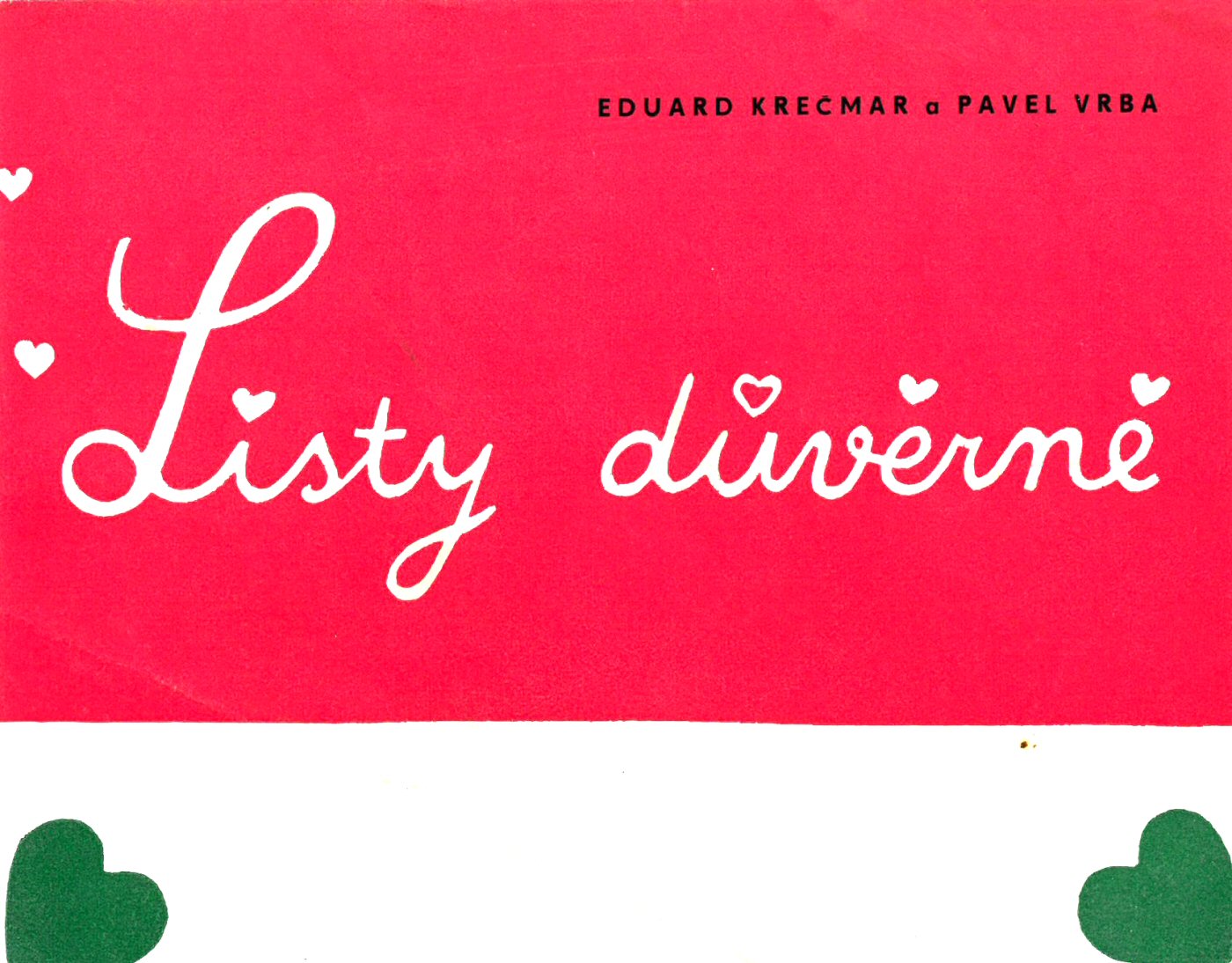
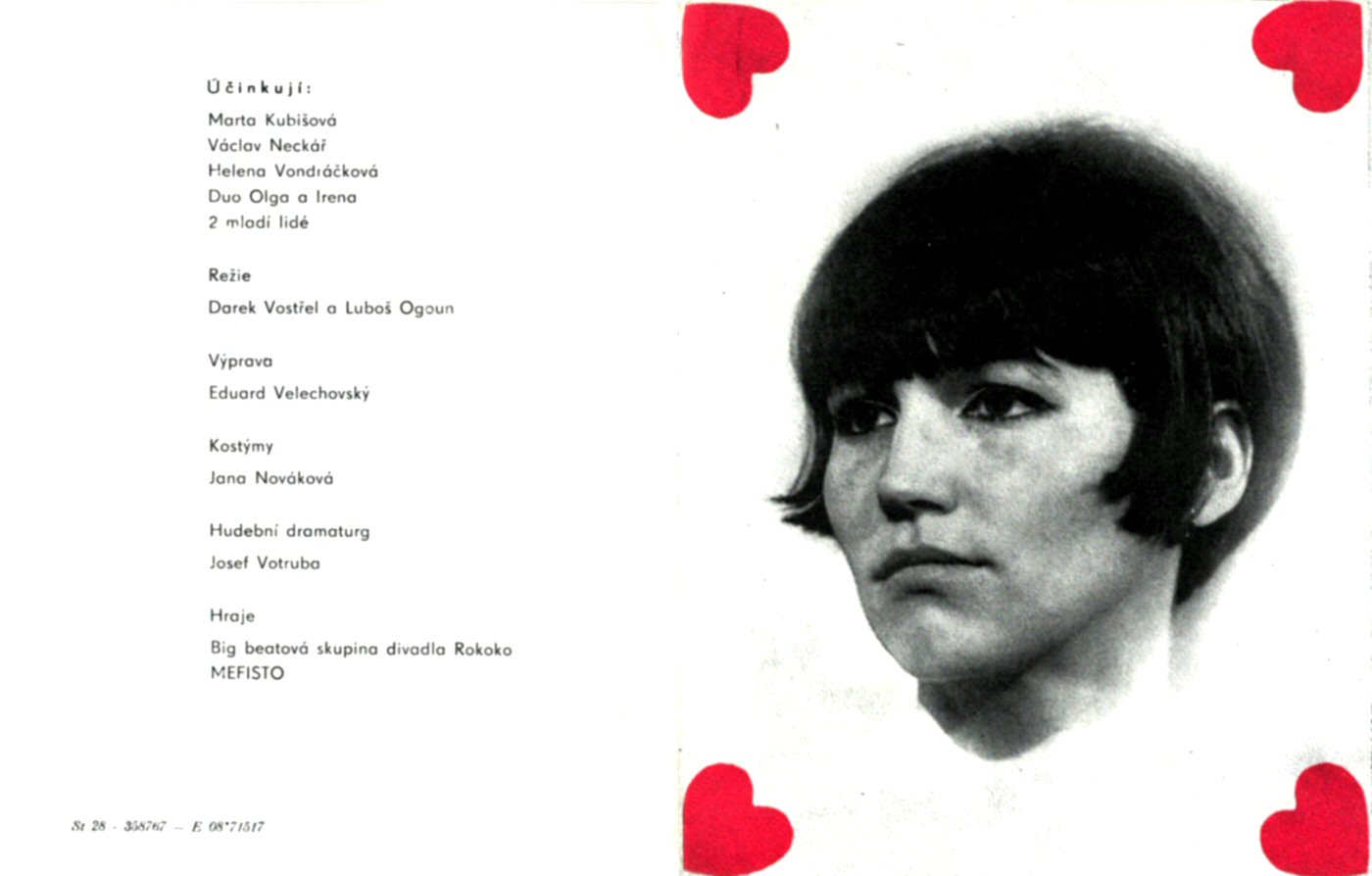
The Confidential letters - Listy důvěrné
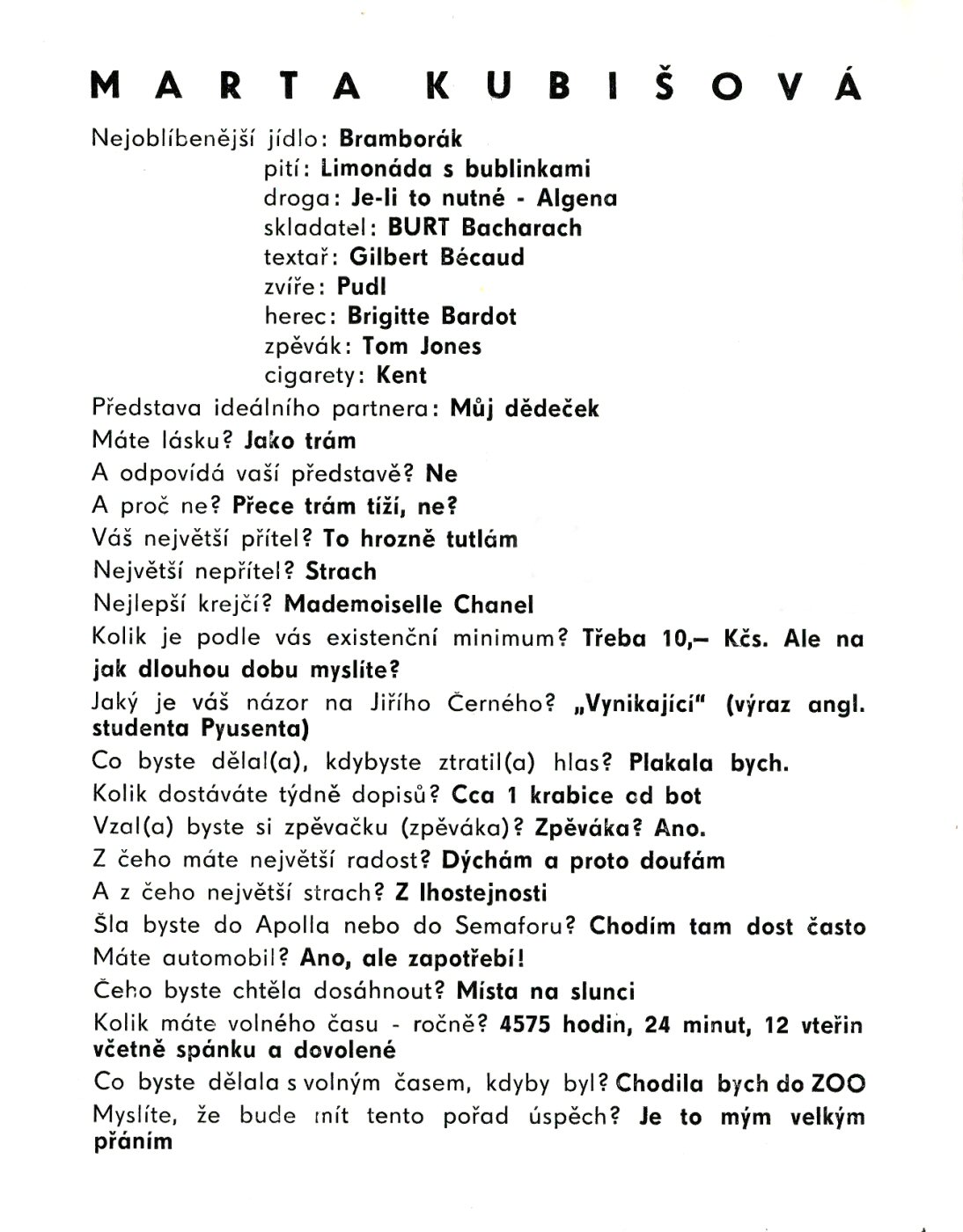
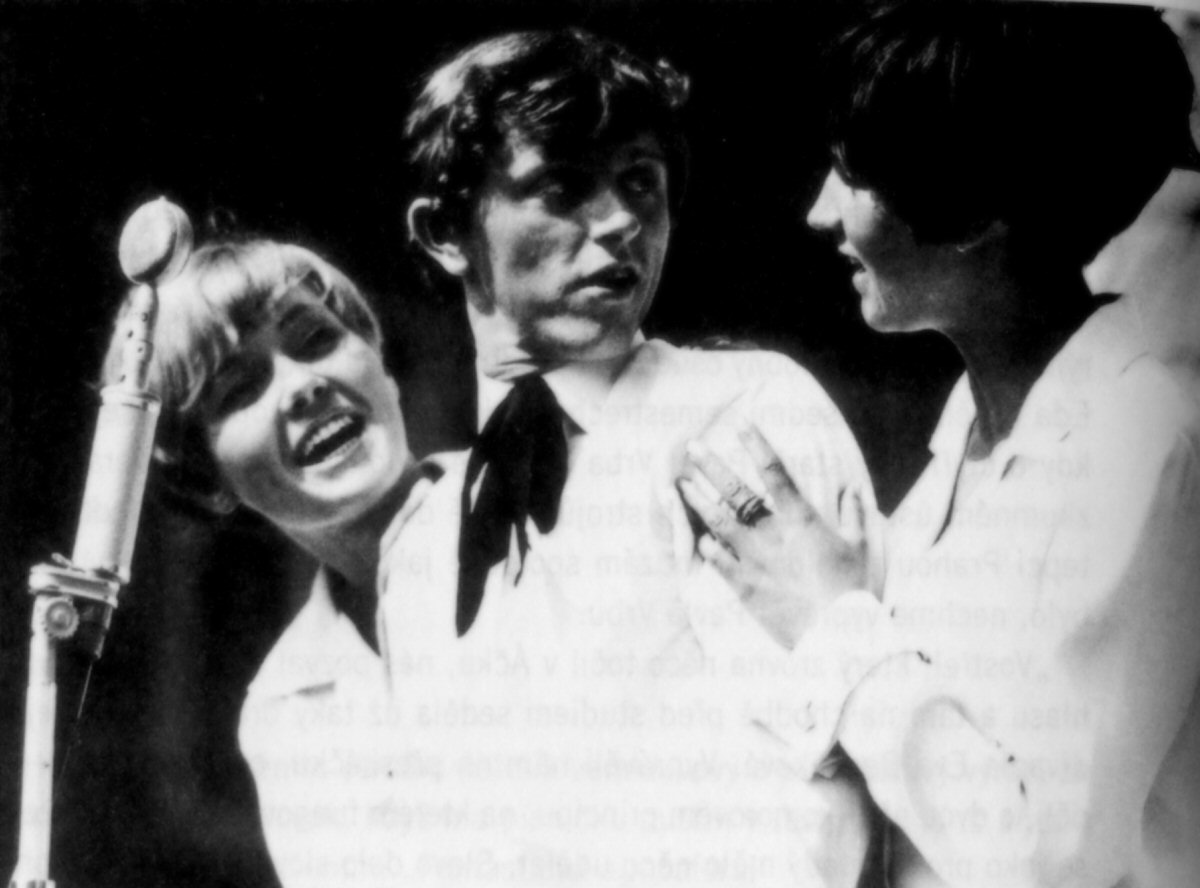
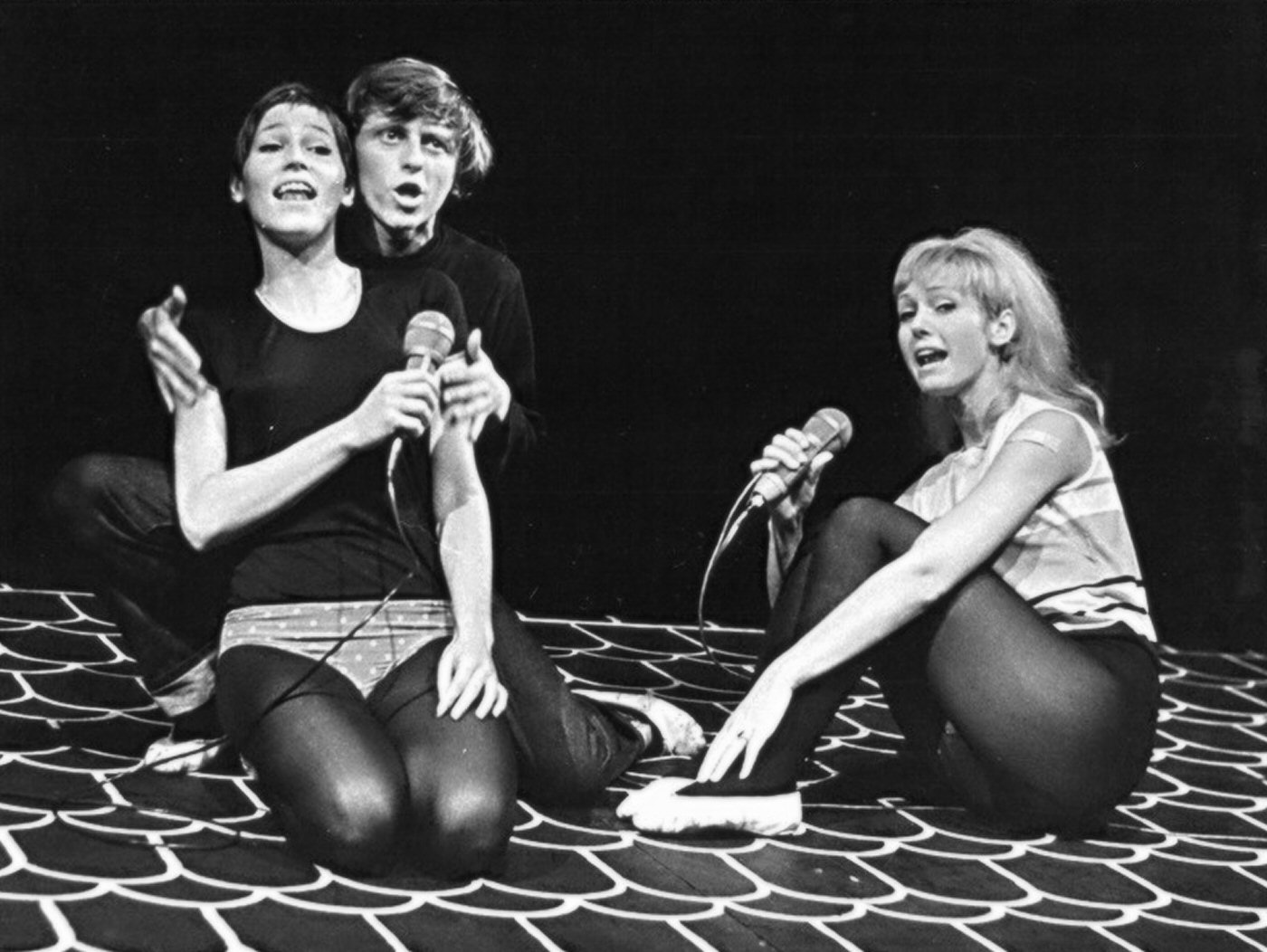
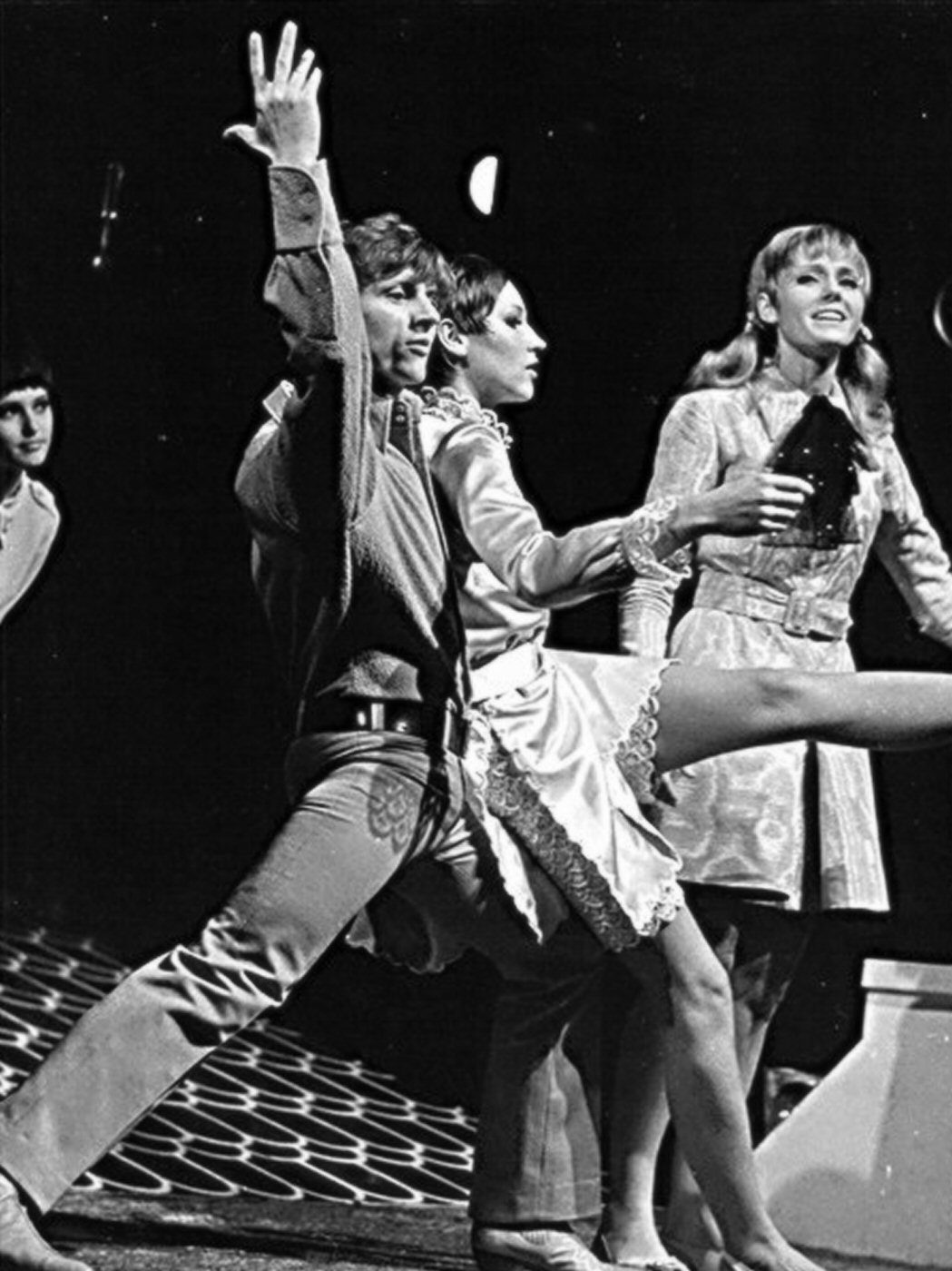
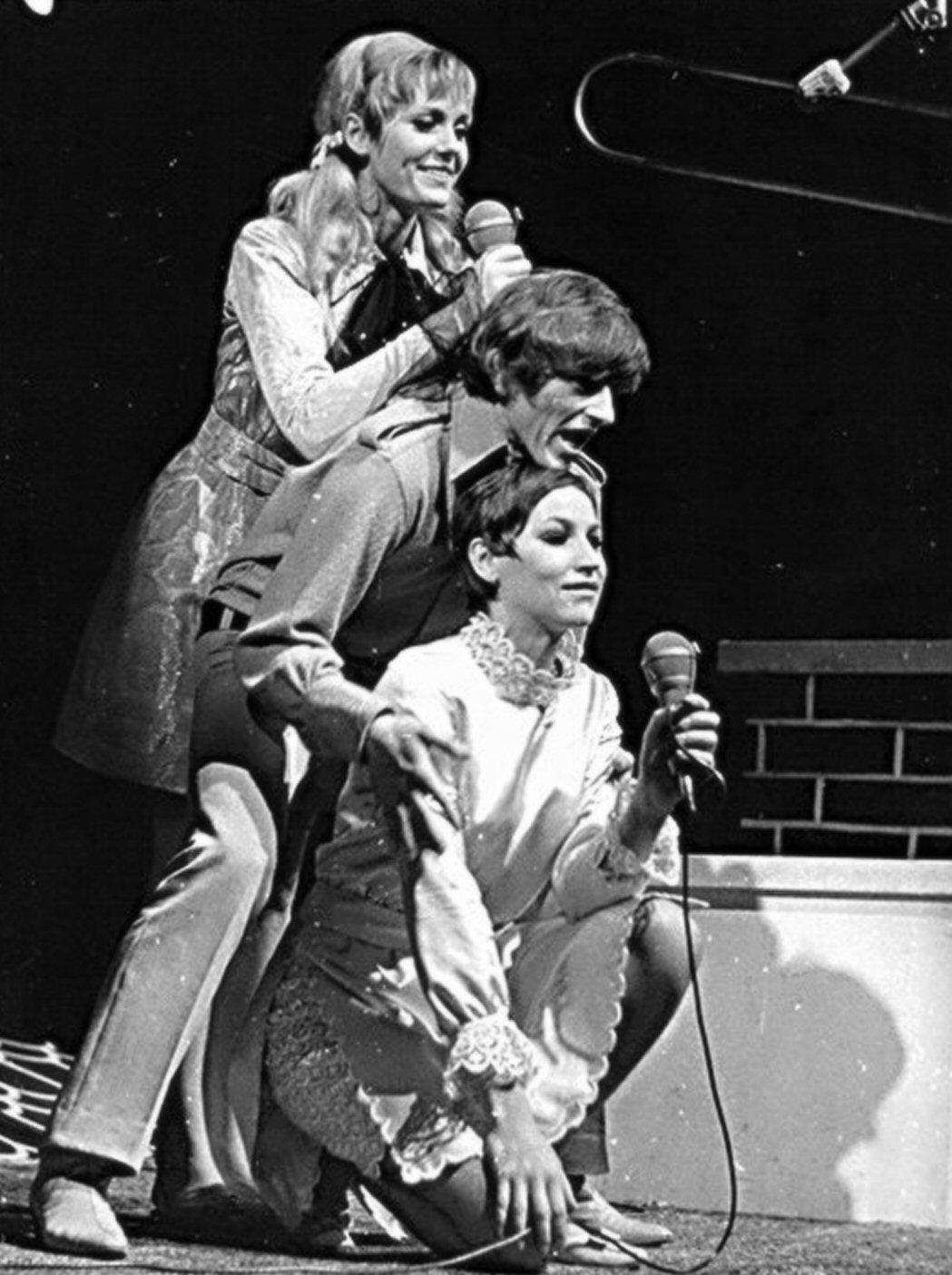
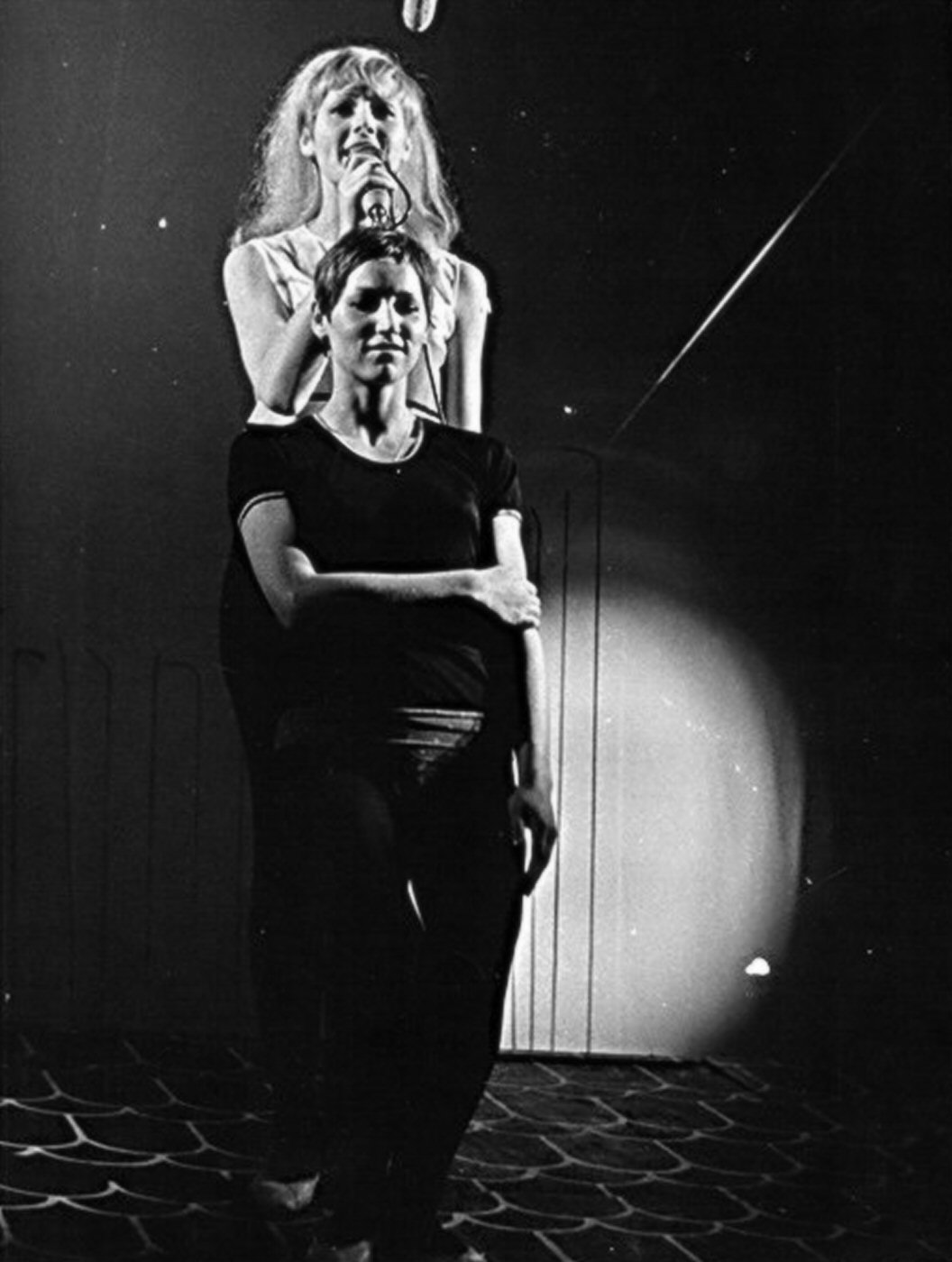
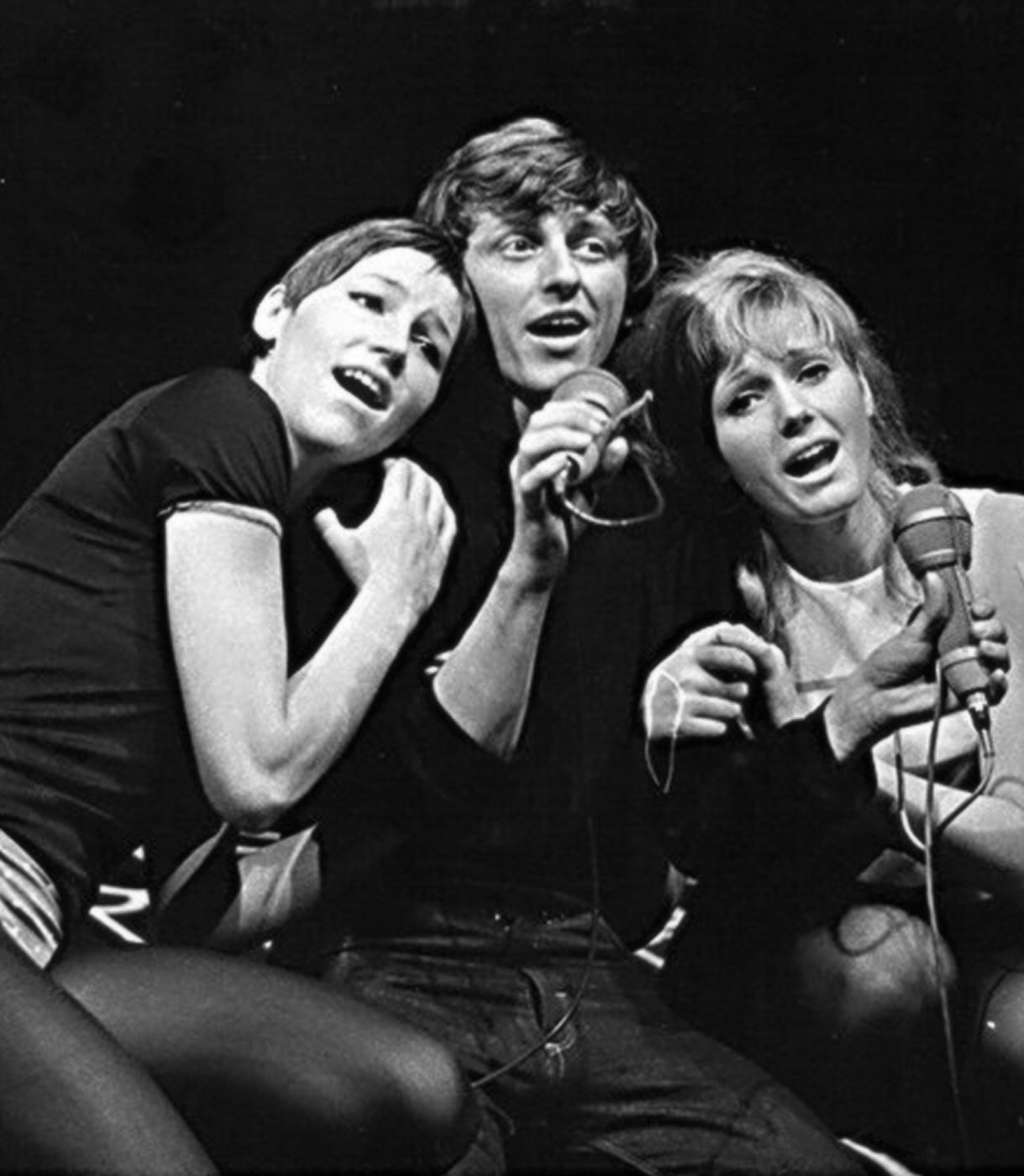
On 16 October 1967 it was time for a new premiere at Rokoko "Listy důvěrné" with Marta Kubisova, Helena Vondrackova and Vaclav Neckar. Marta sang her great hits in the show and one duet with Helena Vondrackova "Hej, pane zajici" which would become one of the songs performed in the future by Golden Kids.
 |
 |
 |
 |
 |
 |
 |
 |
 |
 |
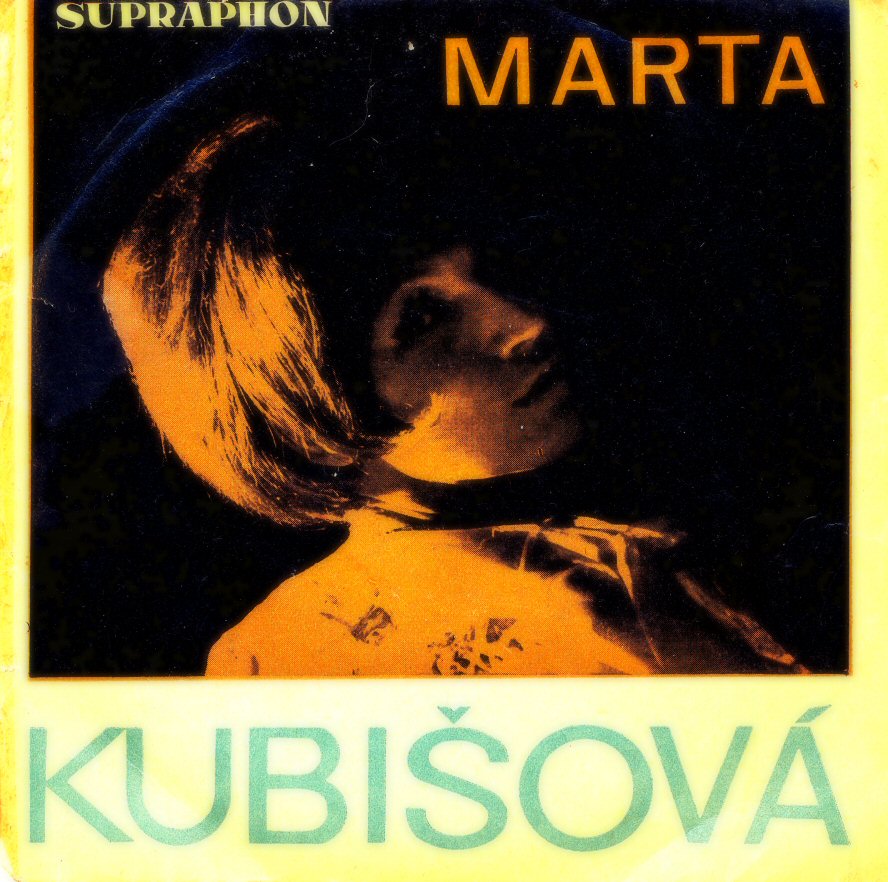
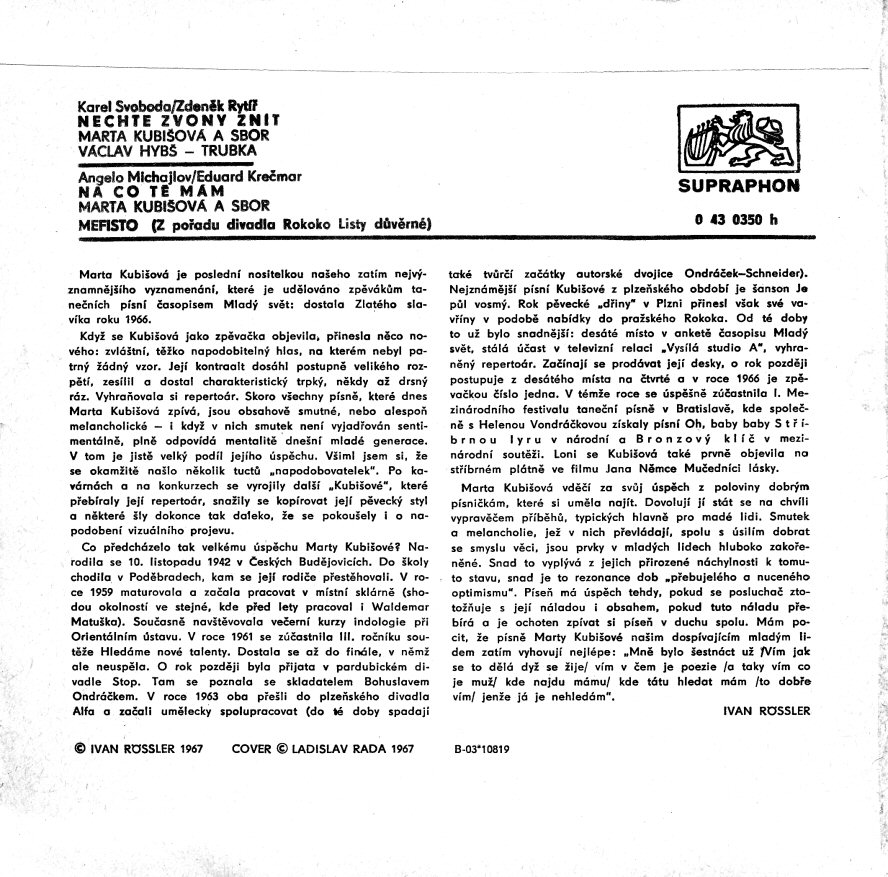
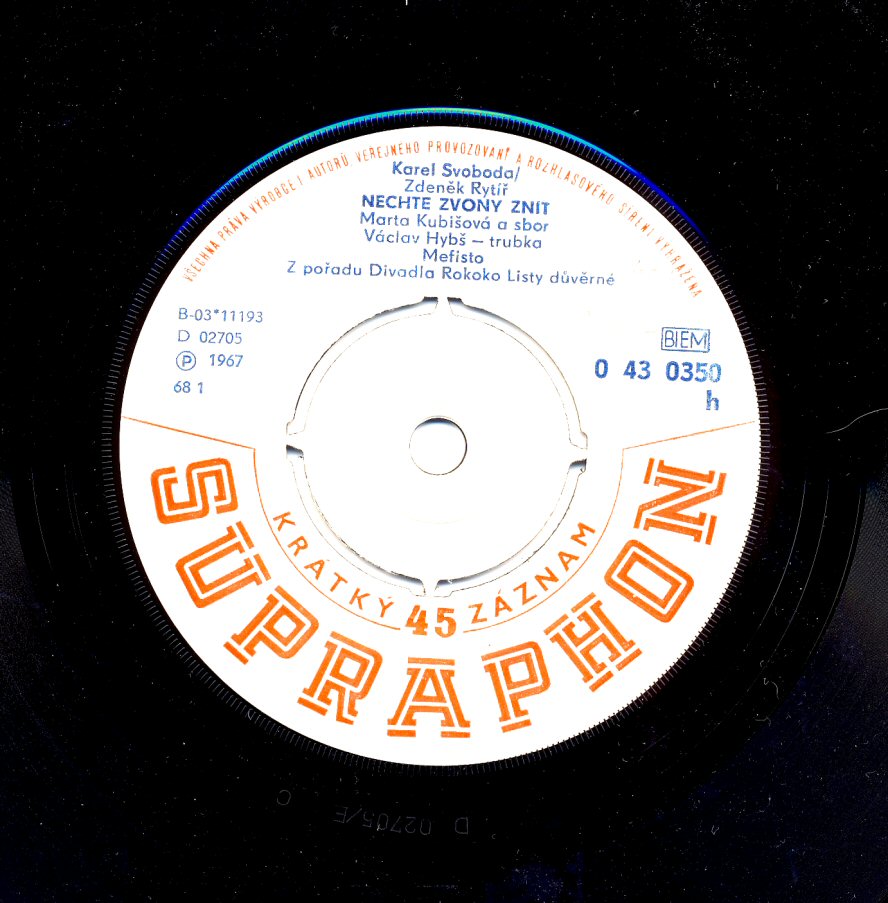
Nechte zvony znit - the single
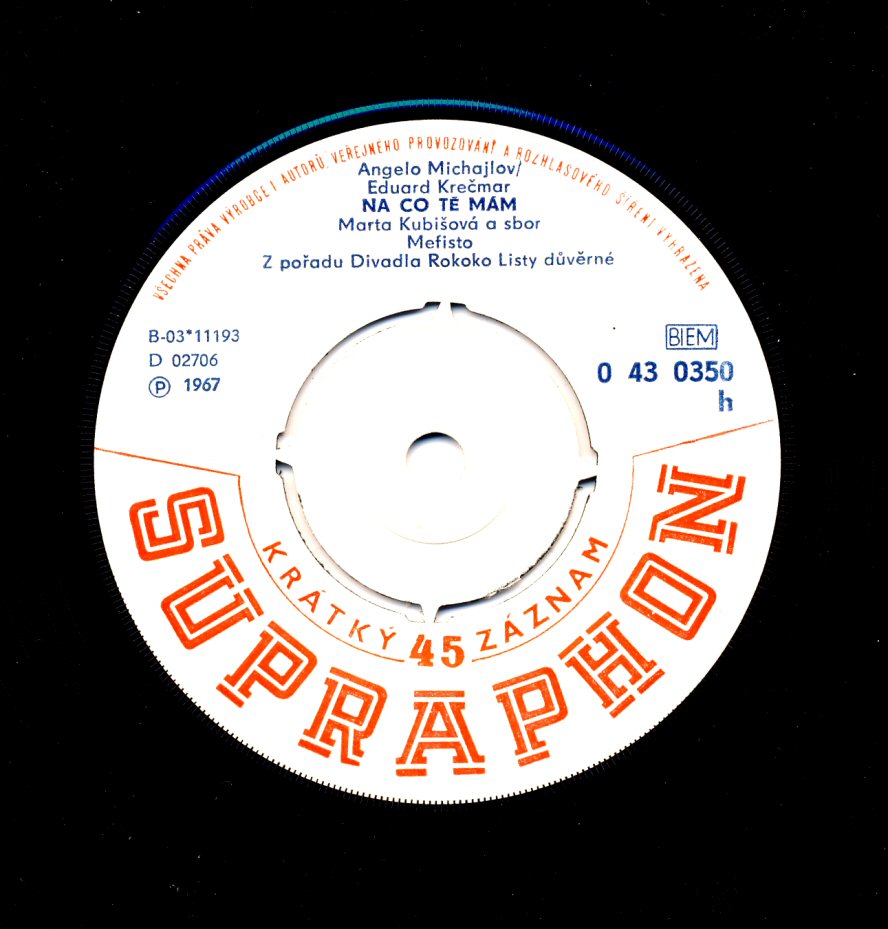
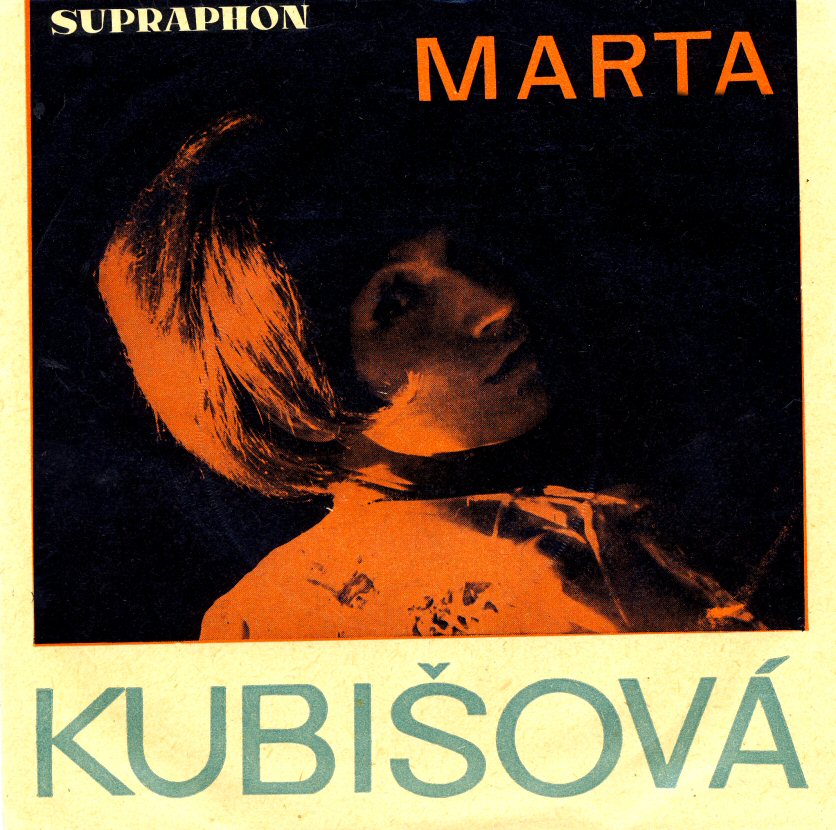
The new Marta single released in December 1967 contained two songs from the Rokoko show: "Nechte zvony znit" (Let the bells clang) written by the biggest Czech pop composer Karel Svoboda and "Na co te mam" (Why do I have you?). "Nechte zvony znit" became one of the biggest hits in Czechoslovakia in 1968.
|
|
|
|
|
|
The year 1968 meant a kind of political "new wave". It was time to create socialism with "human face". This year began with thoughts about freedom in Czechoslovkia and thoughts about freedom.
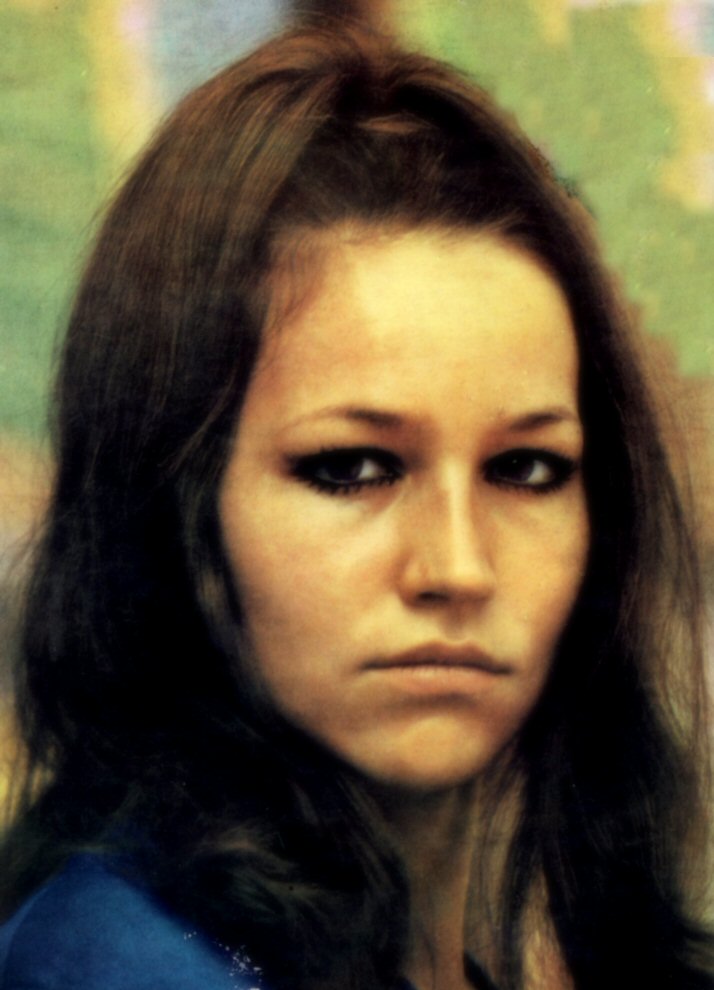
Marta became one of the biggest pop artist in the country in the first fanclub was established at the beginning of this year. The fanclub had its own newsletter called after Marta's big hit "Depese" (Letters).
 |
 |
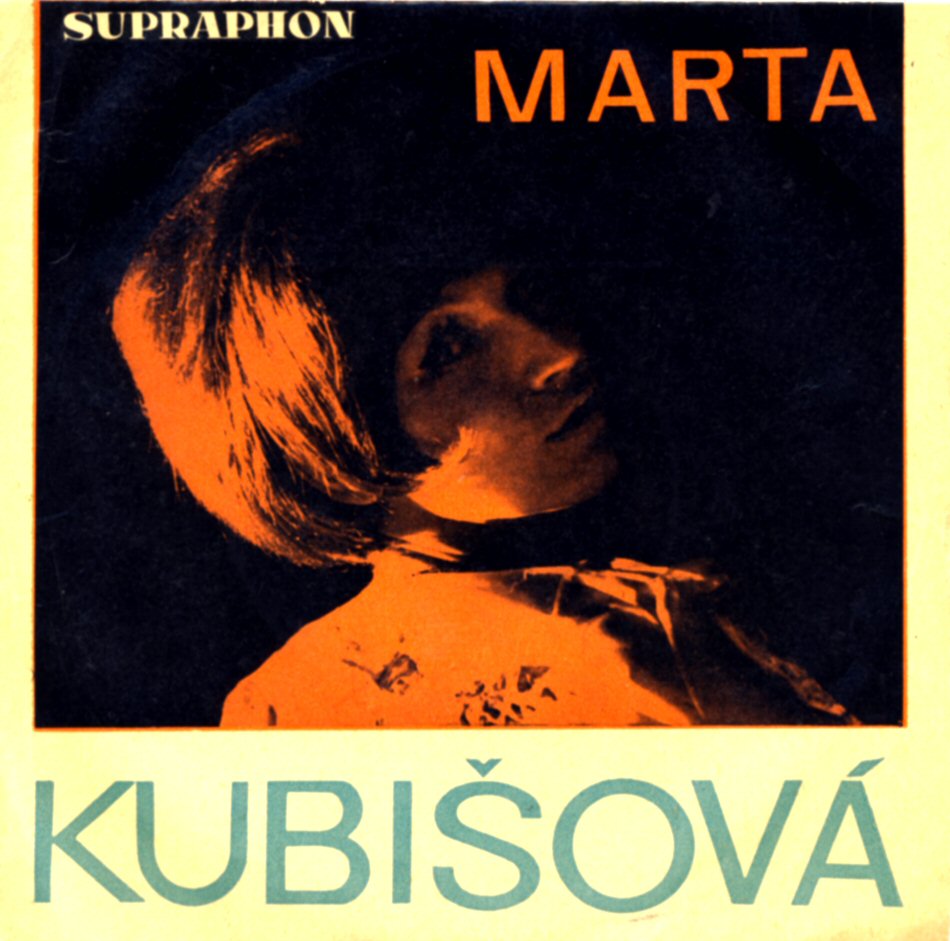
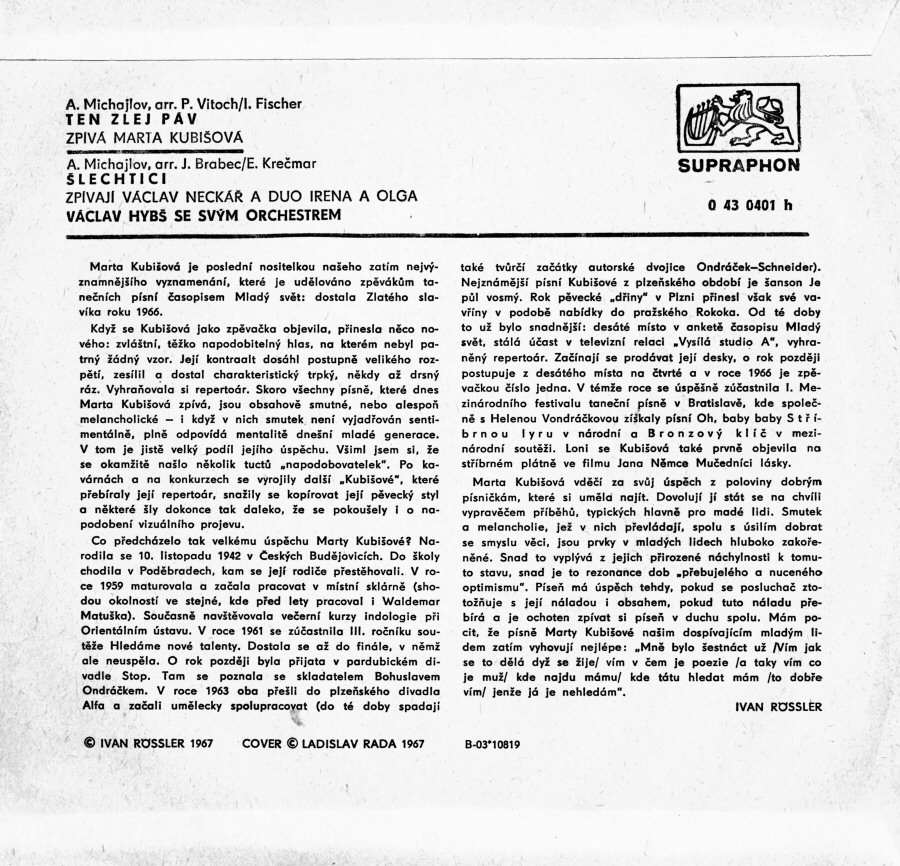
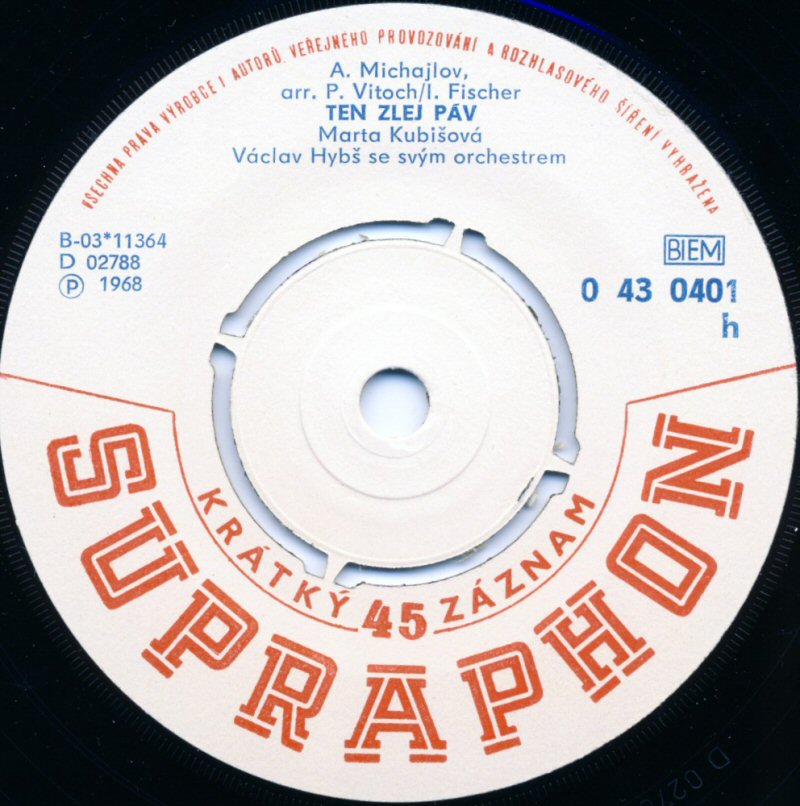
This bad peacock
One of the first Marta singles released in 1968 featured the song "Ten zlej pav" (This bad peacock). The song had been completed on November 11, 1967. The flipside of the single featured the song "Slechtici" performed by Vaclav Neckar.
 |
 |
 |
You think only about money... - the single
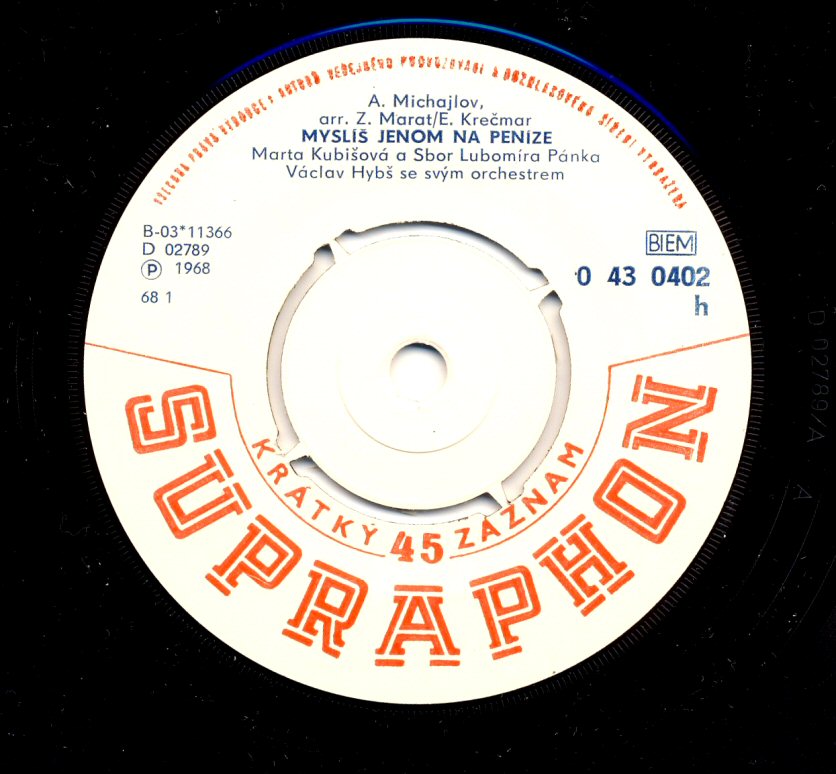
At the beginning of 1968 Marta released a new single with two songs: "Myslis jenom na penize" (You think only about money) b/w Dusty Springfield's hit "I'm Gonna Leave You" (Czech title: Neni to laska - It's not love).
|
|
|
|
|
|

The philosophic story - the musical
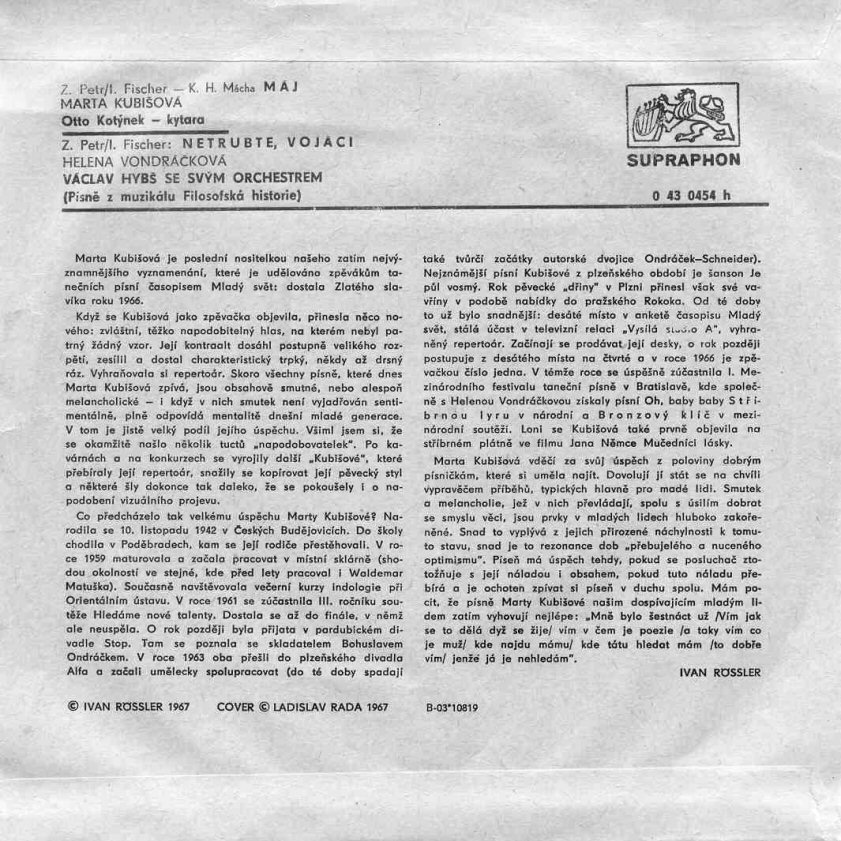
Marta together with Helena Vondrackova and Vaclav Neckar played in the musical "Filosofska historie" (The philosophic story) in the Rokoko theatre in 1967/68. In February 1968 Marta and Helena recorded studio versions of two songs from the musical for a single release. Marta song on side 1 was entitled "Maj" (May) and Helena's song on side 2 was called "Netrubte, vojaci" (Don't blow, soldiers).
|
|
|
|
|
|
Cannes
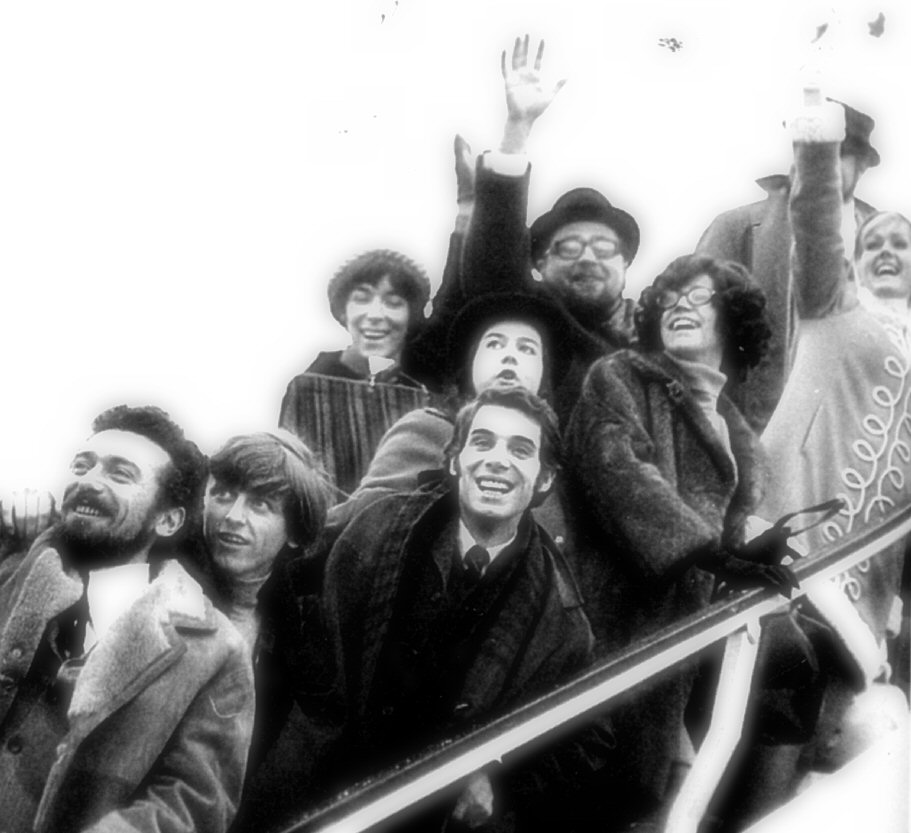
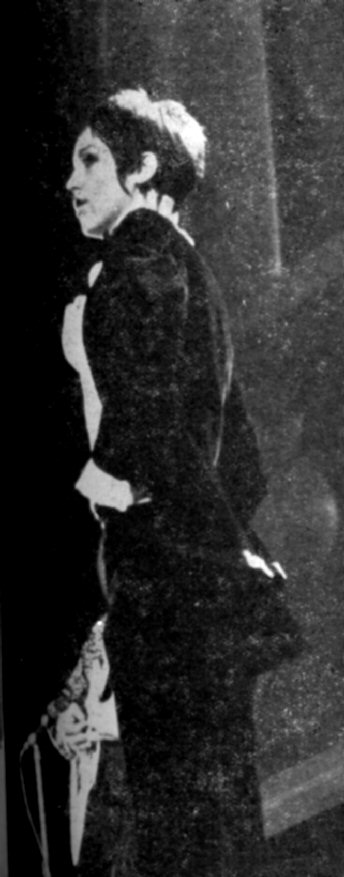
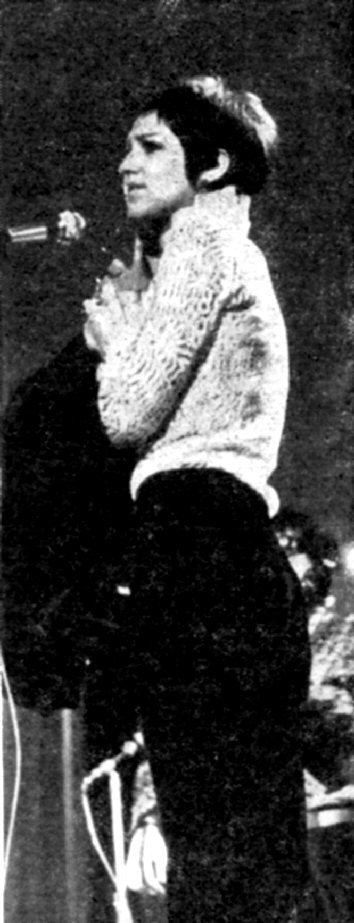
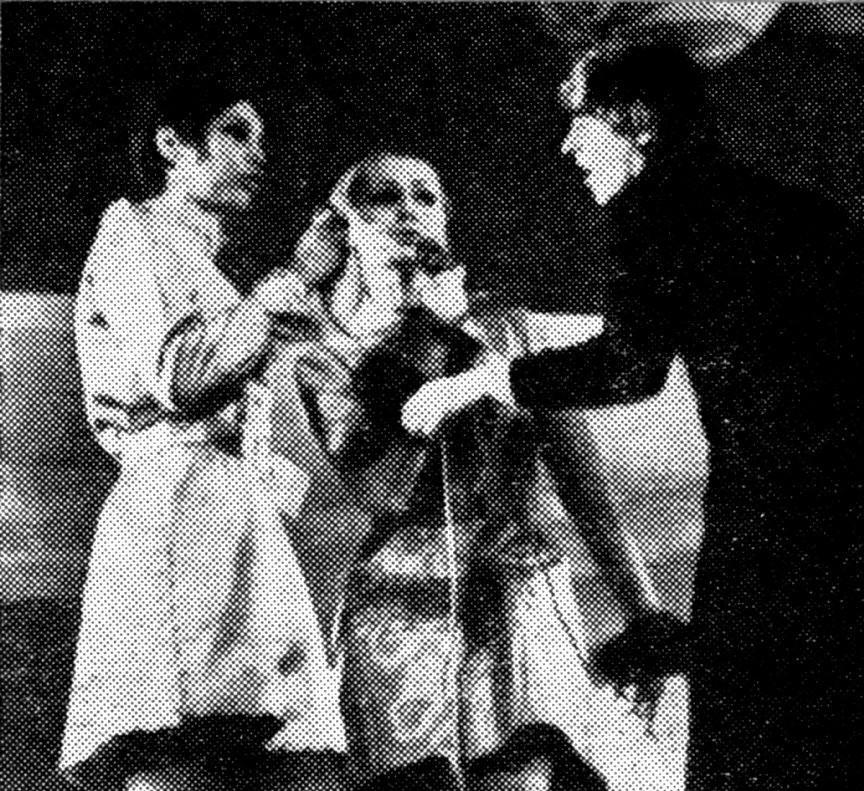
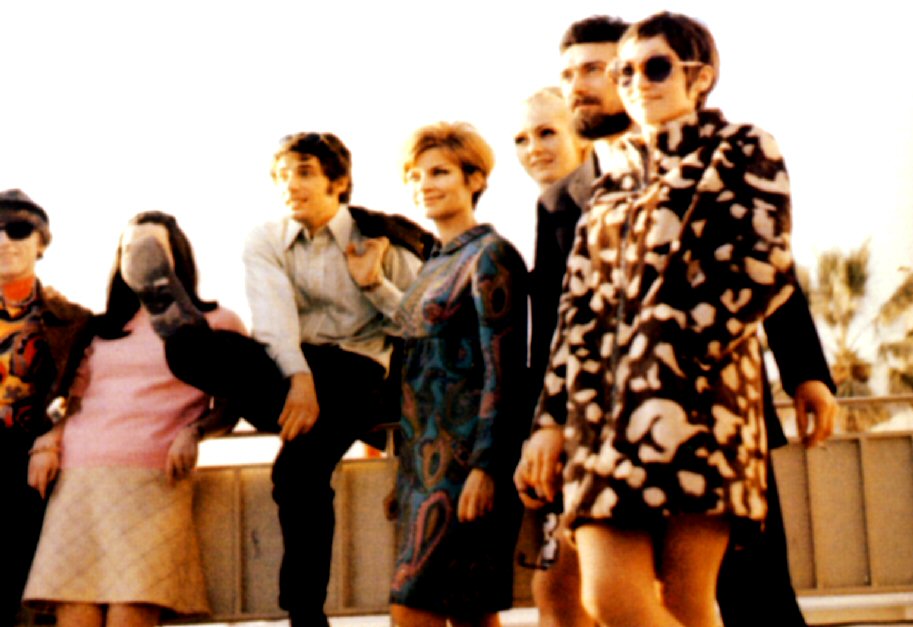
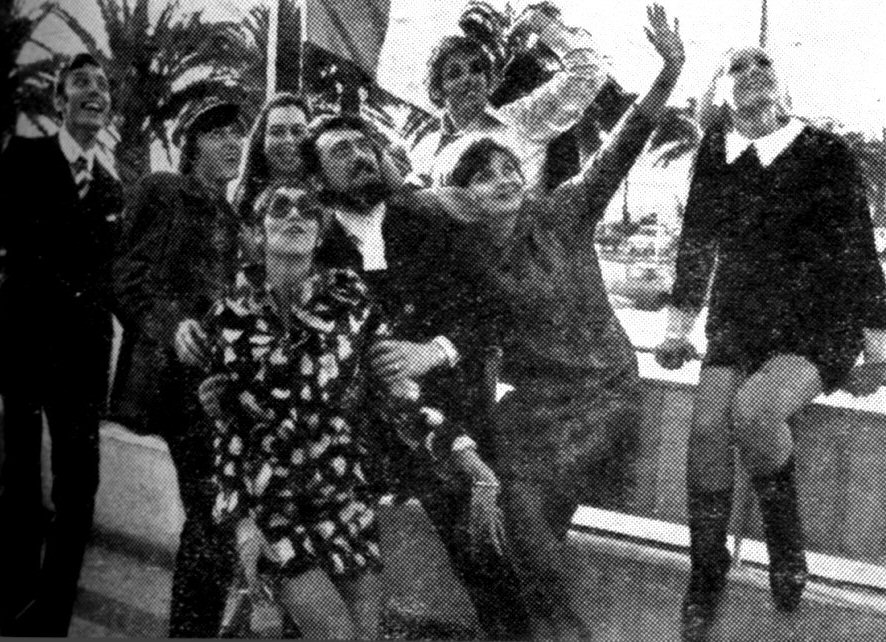
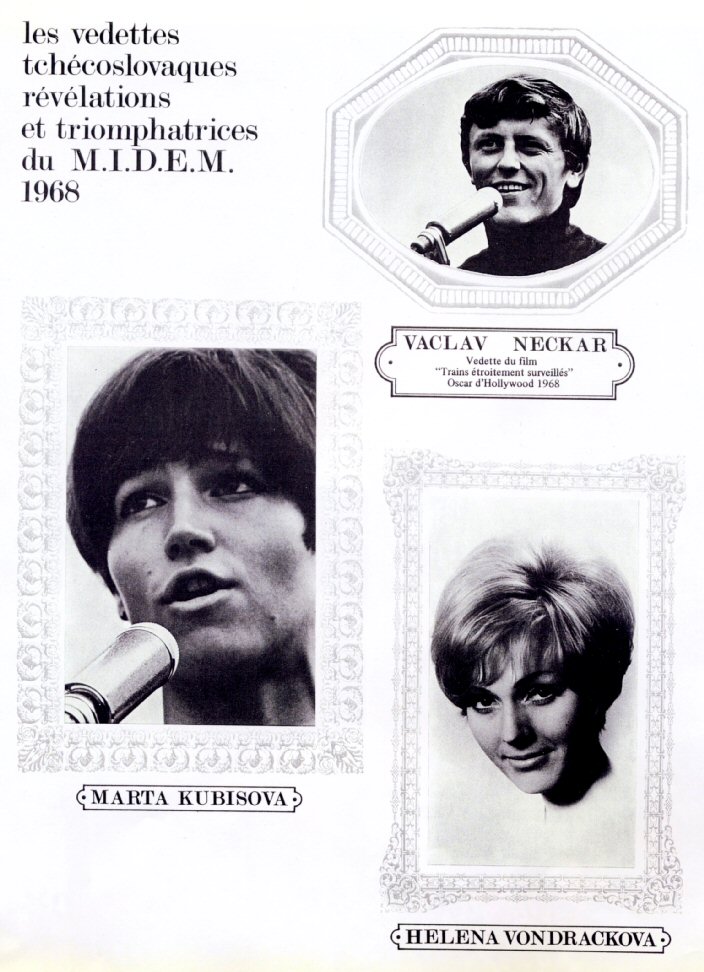
At the beginning of the year Marta together with other Czechoslovakian artists represented the country on the record company fair MIDEM in Cannes. Marta performed some of her hits and among them "Lampa" (The lamp). Together with Vondrackova and Neckar Marta sang two more songs which were warmth welcome by the audience.
 |
 |
 |
 |
 |
 |
 |
Melancholic necklace - music show
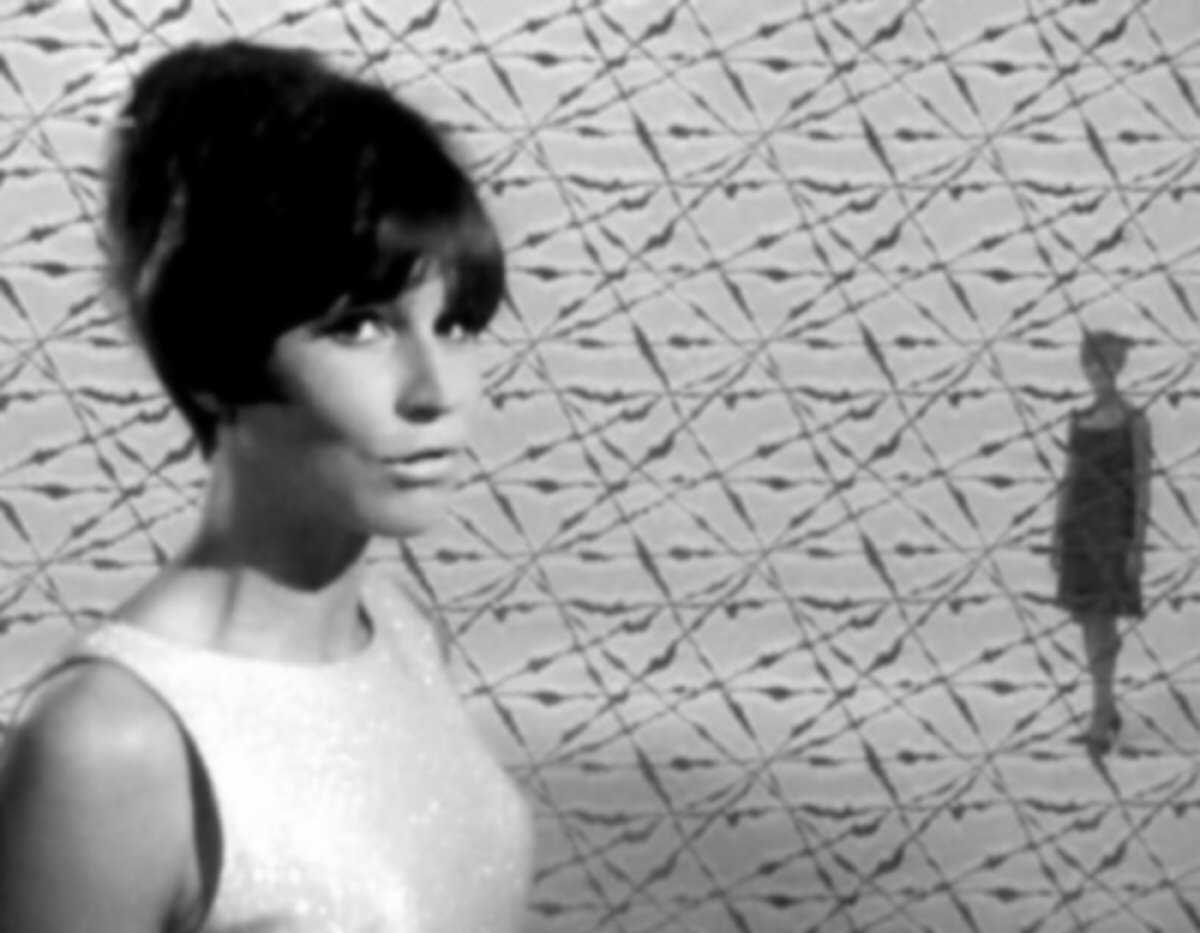
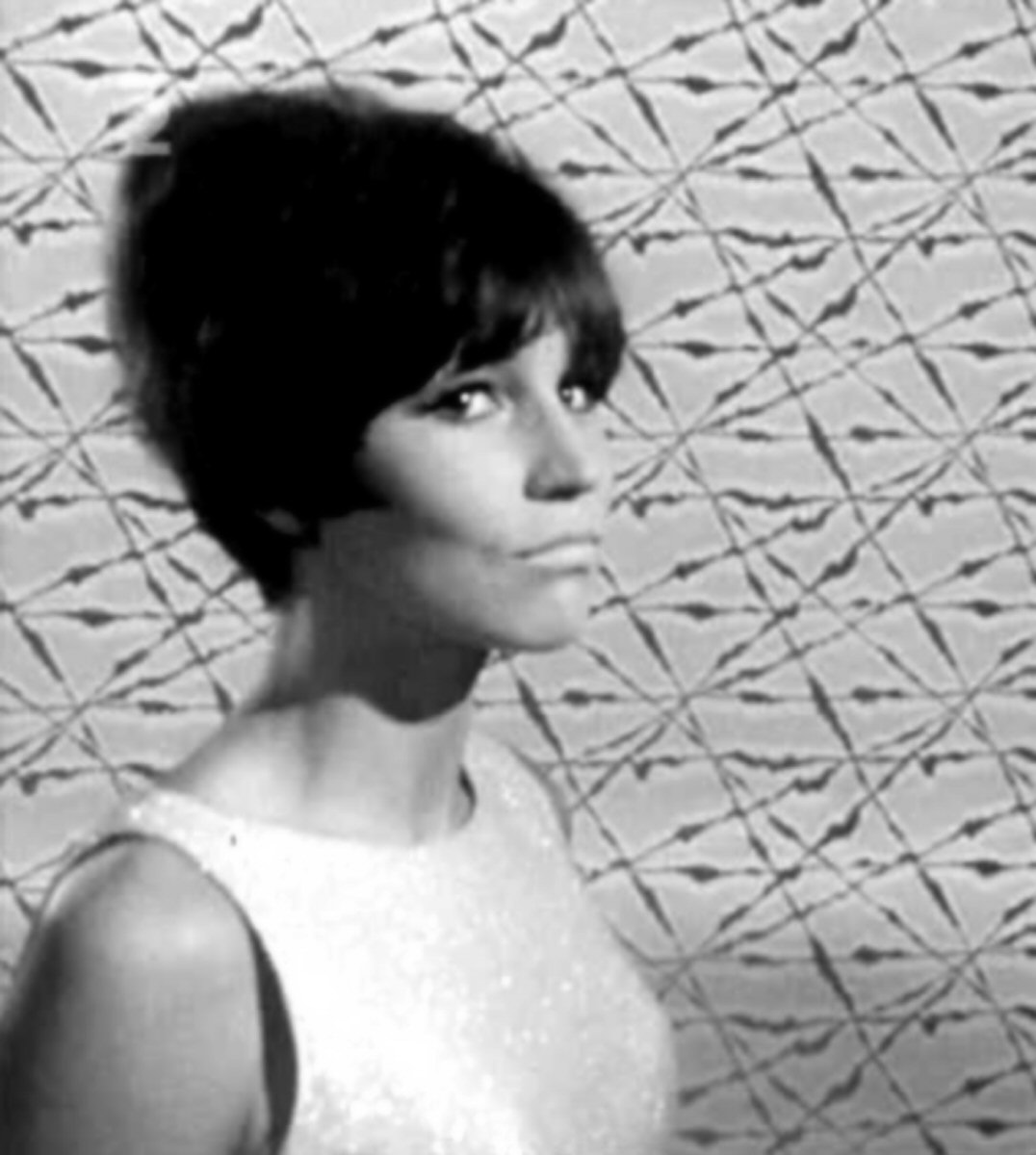
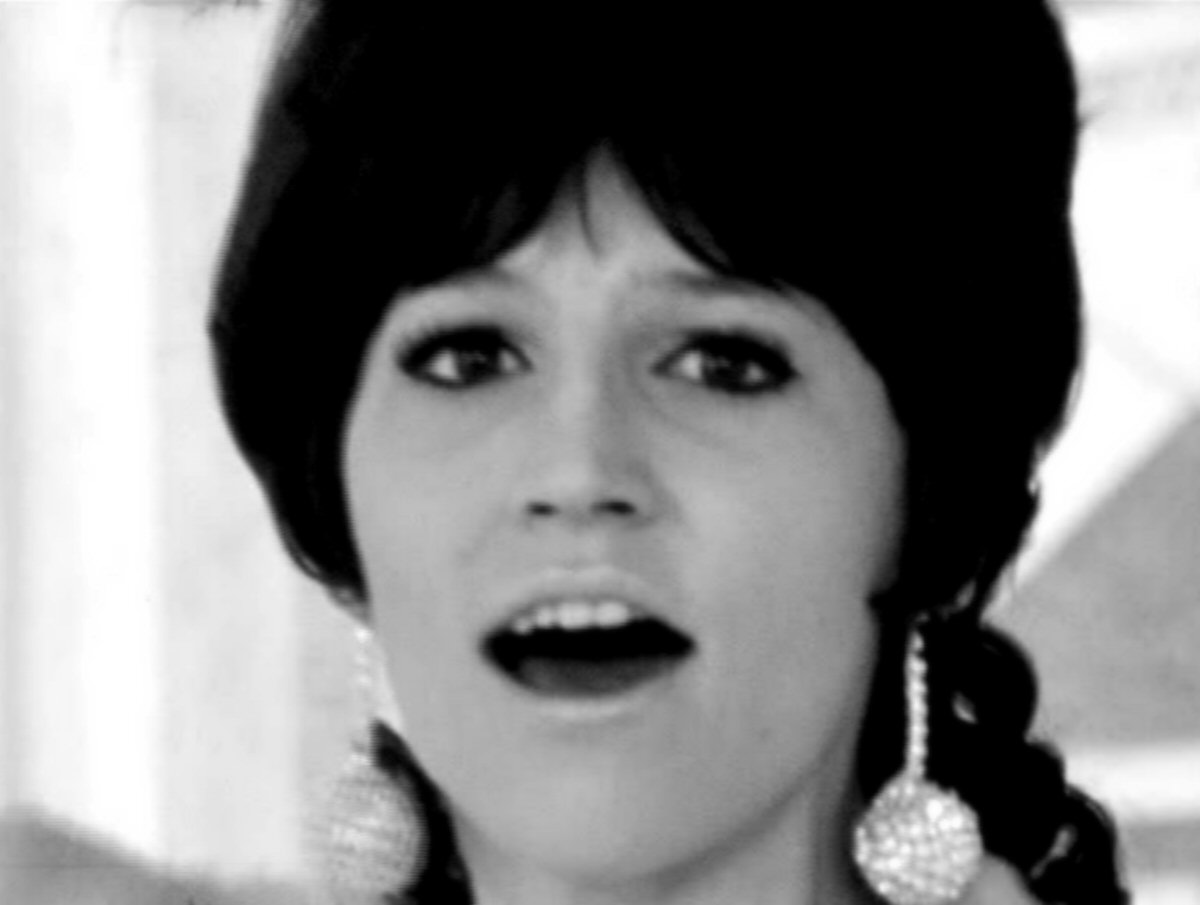
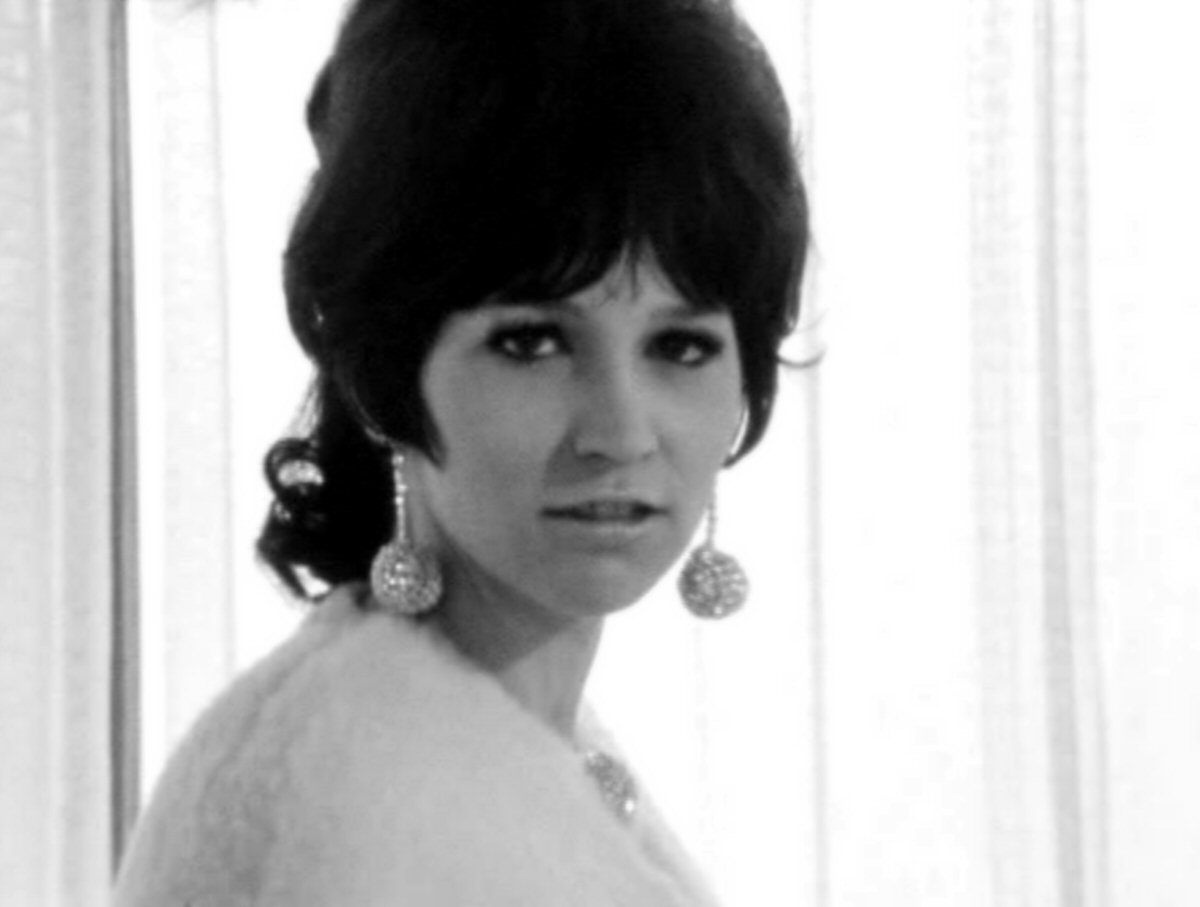
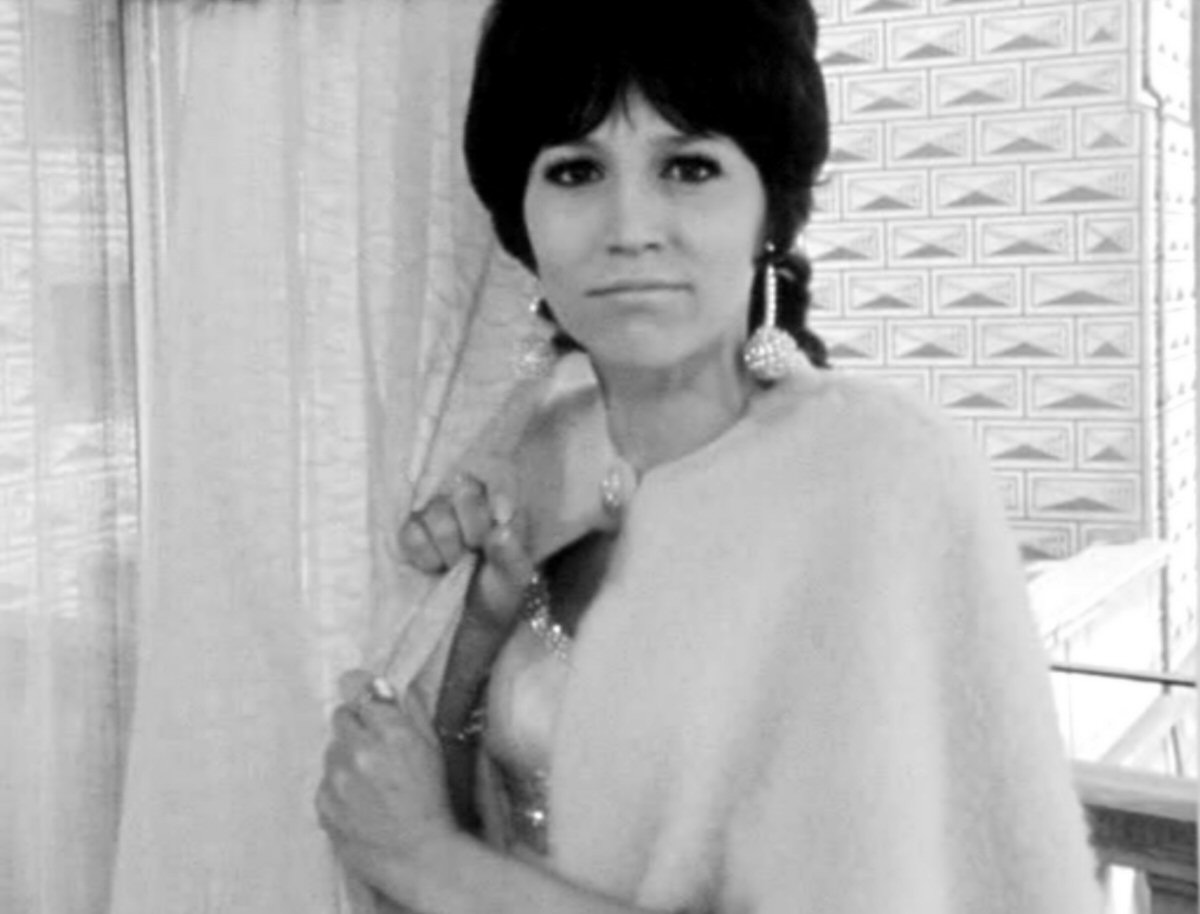
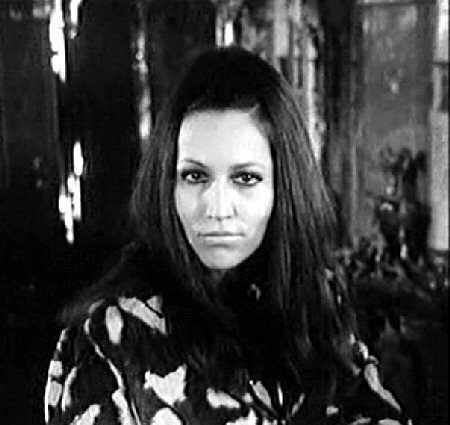
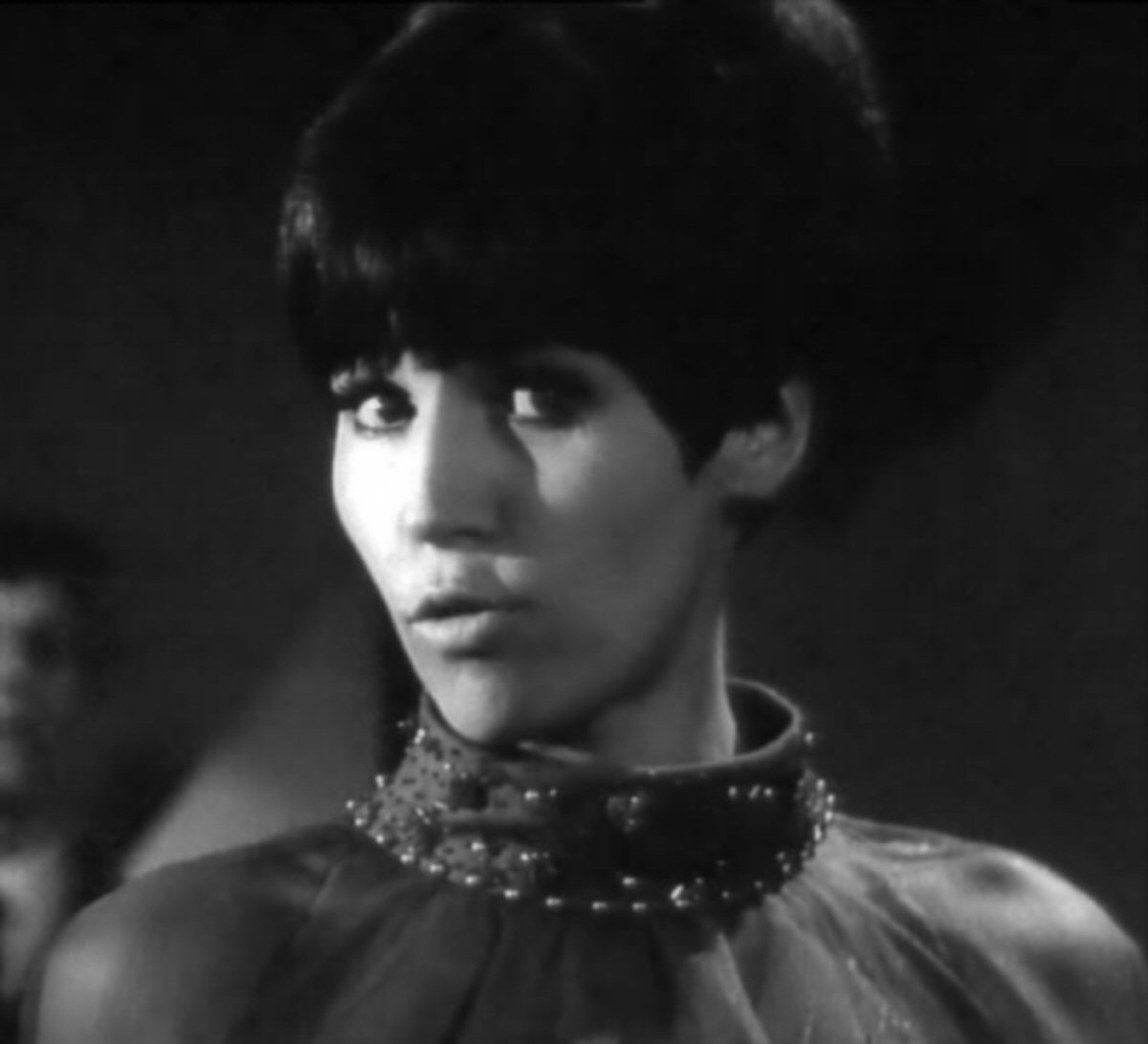
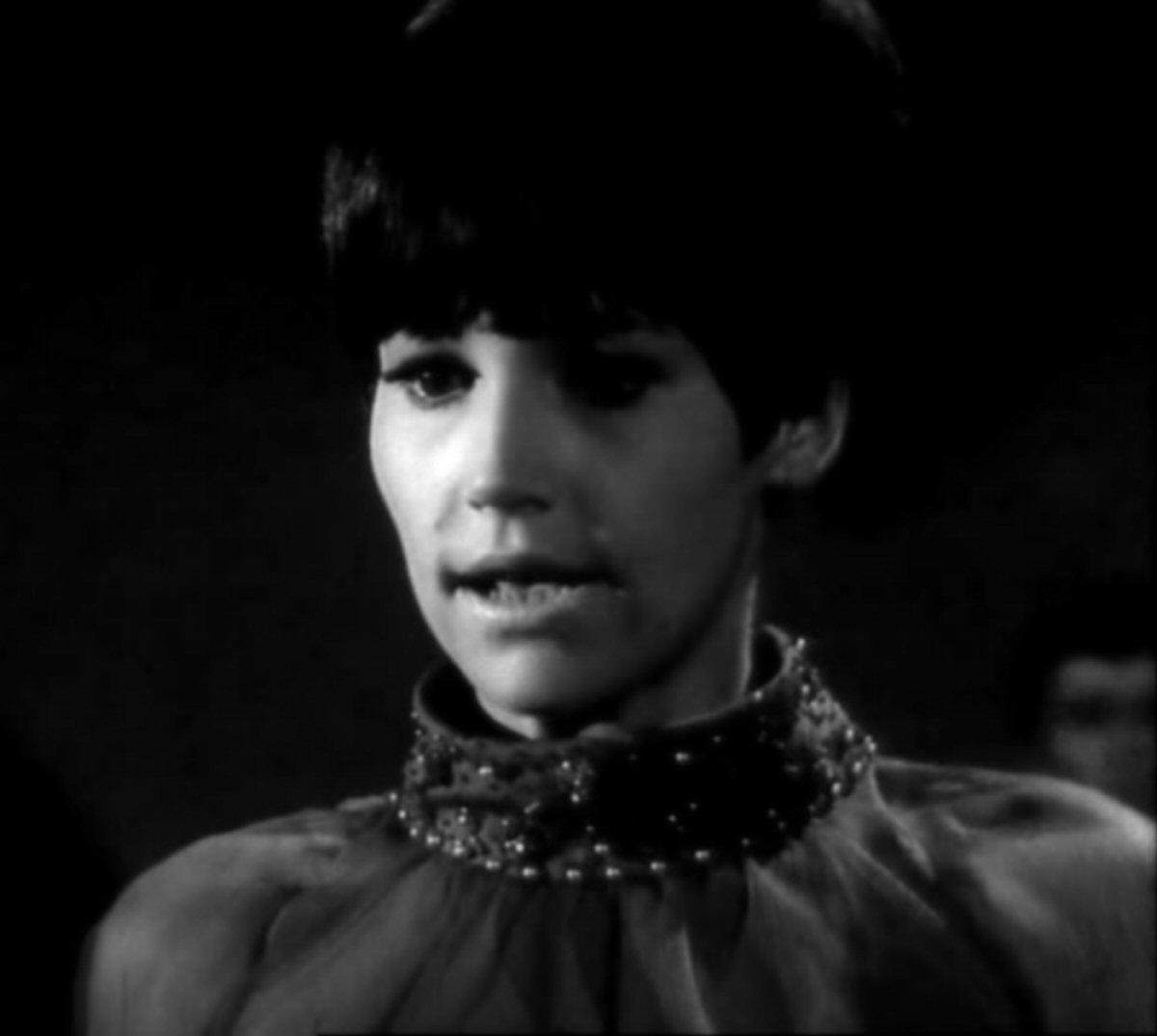
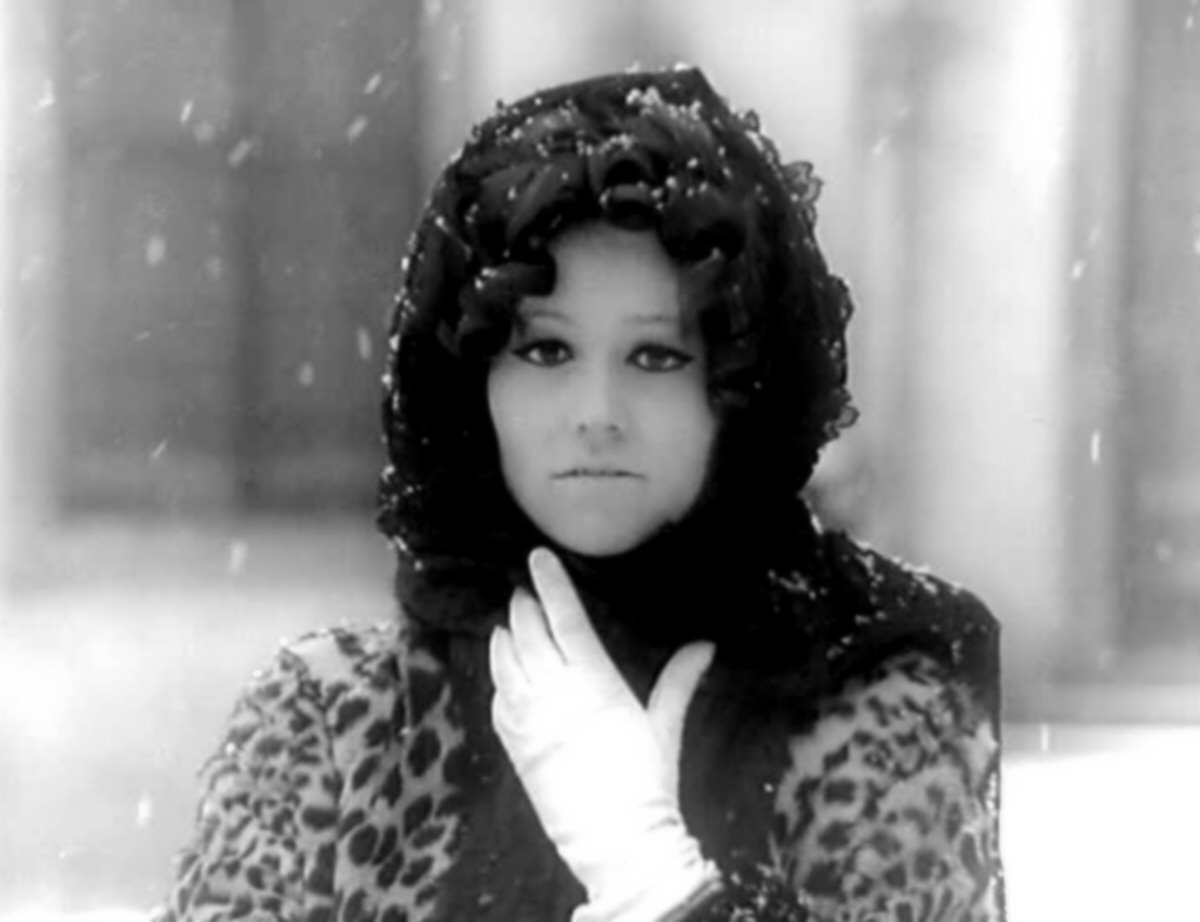
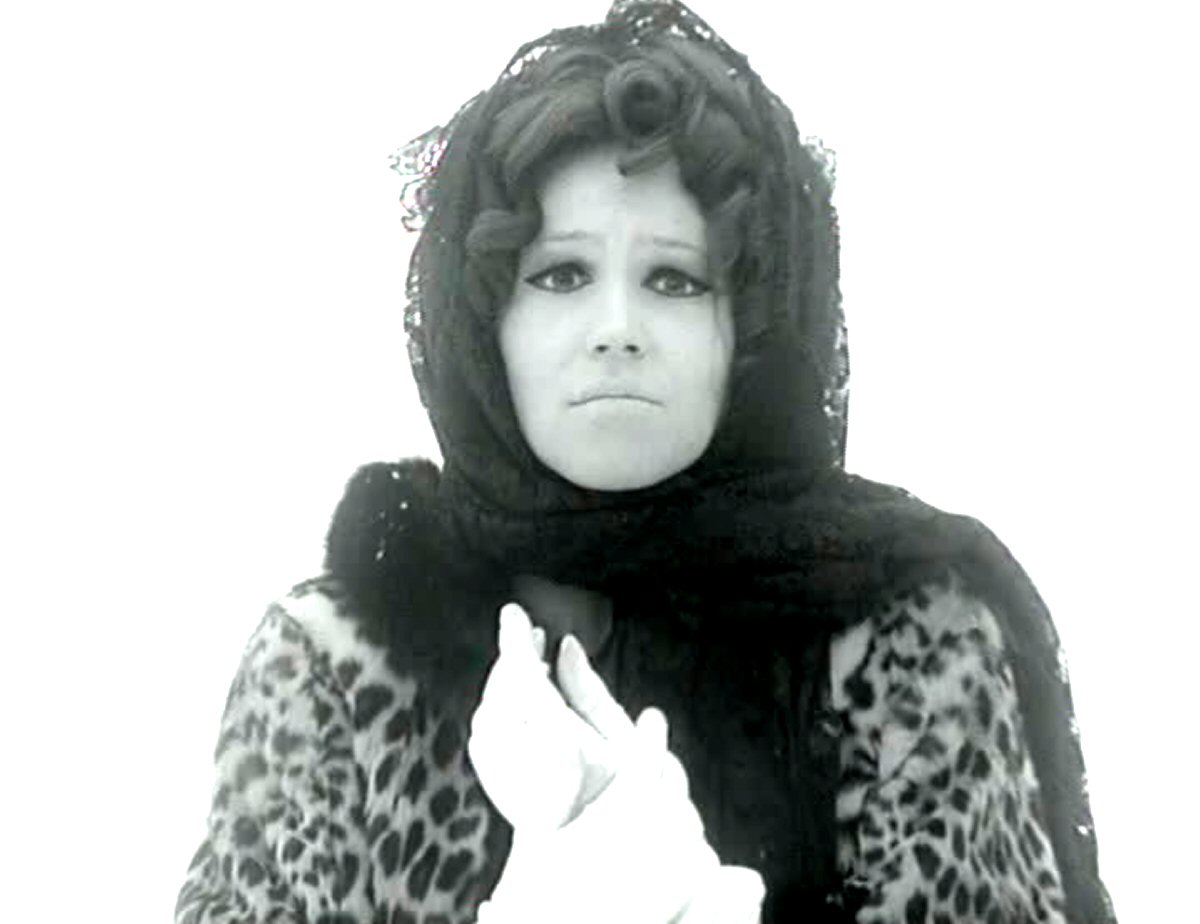
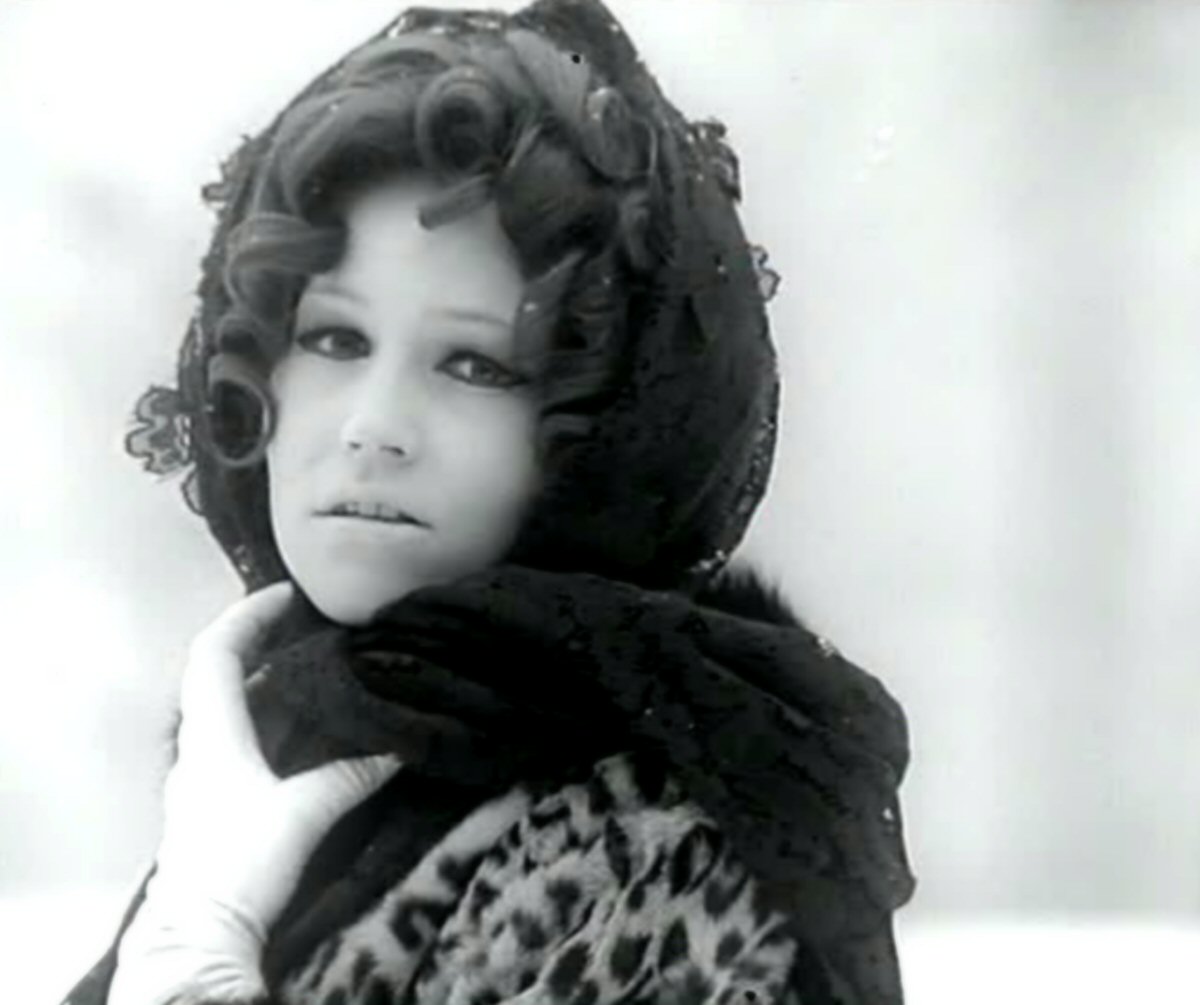
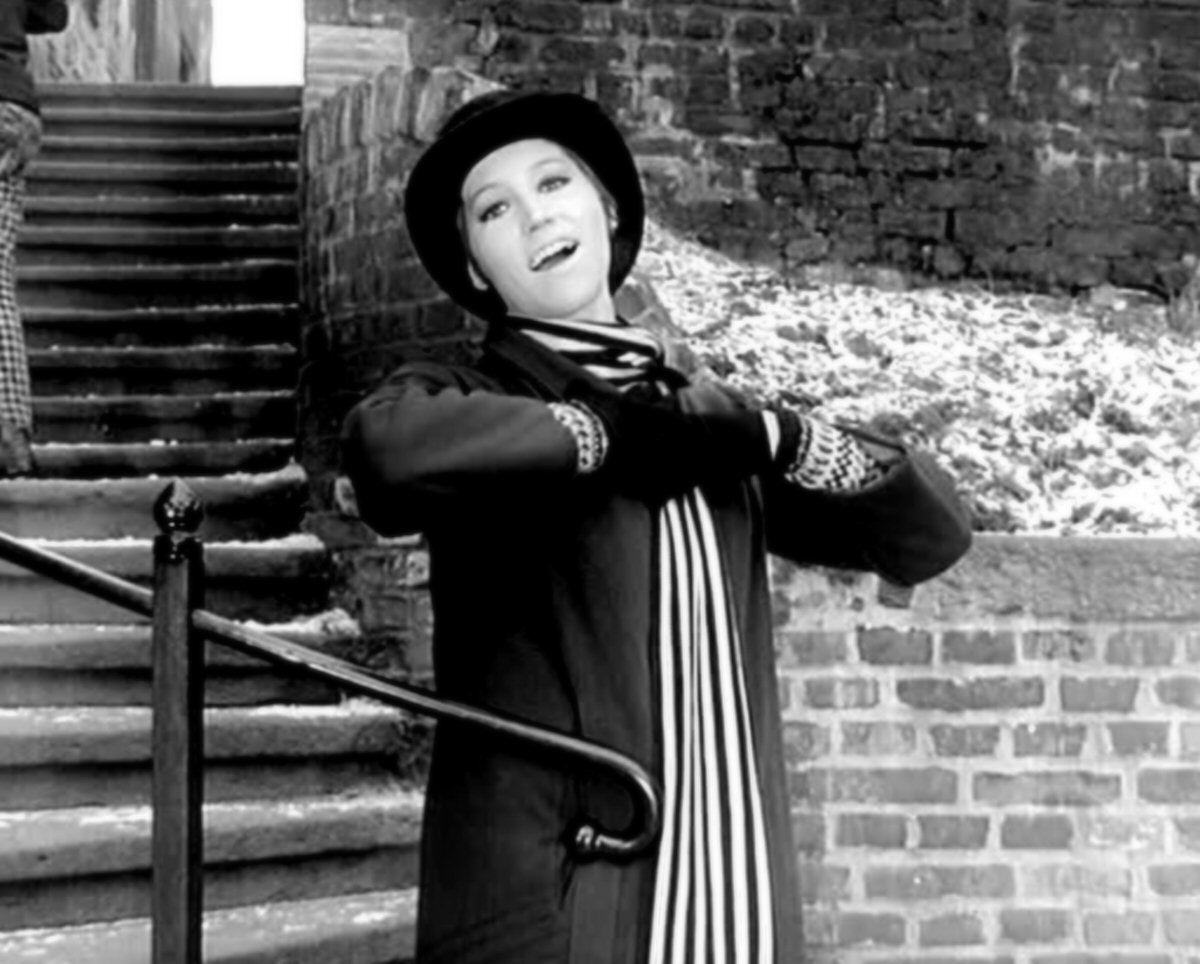
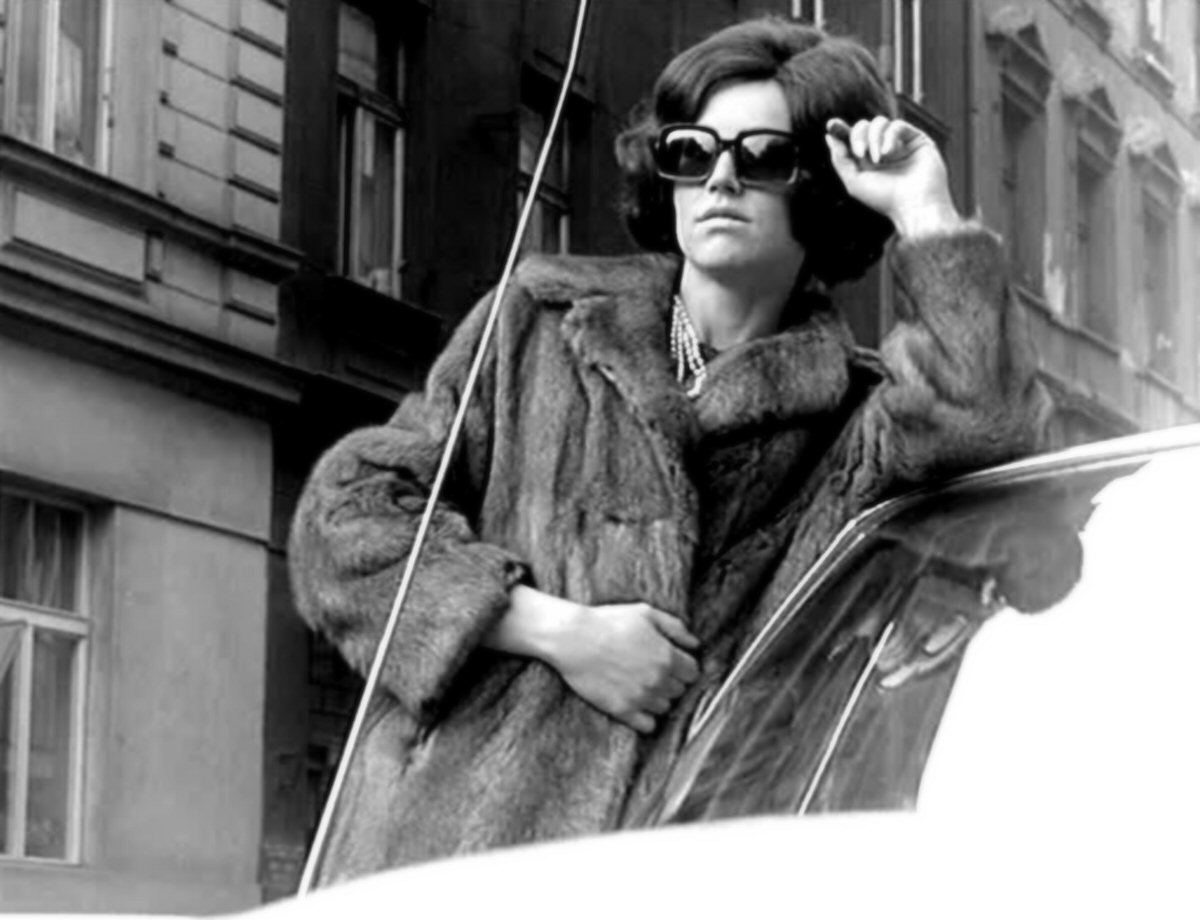
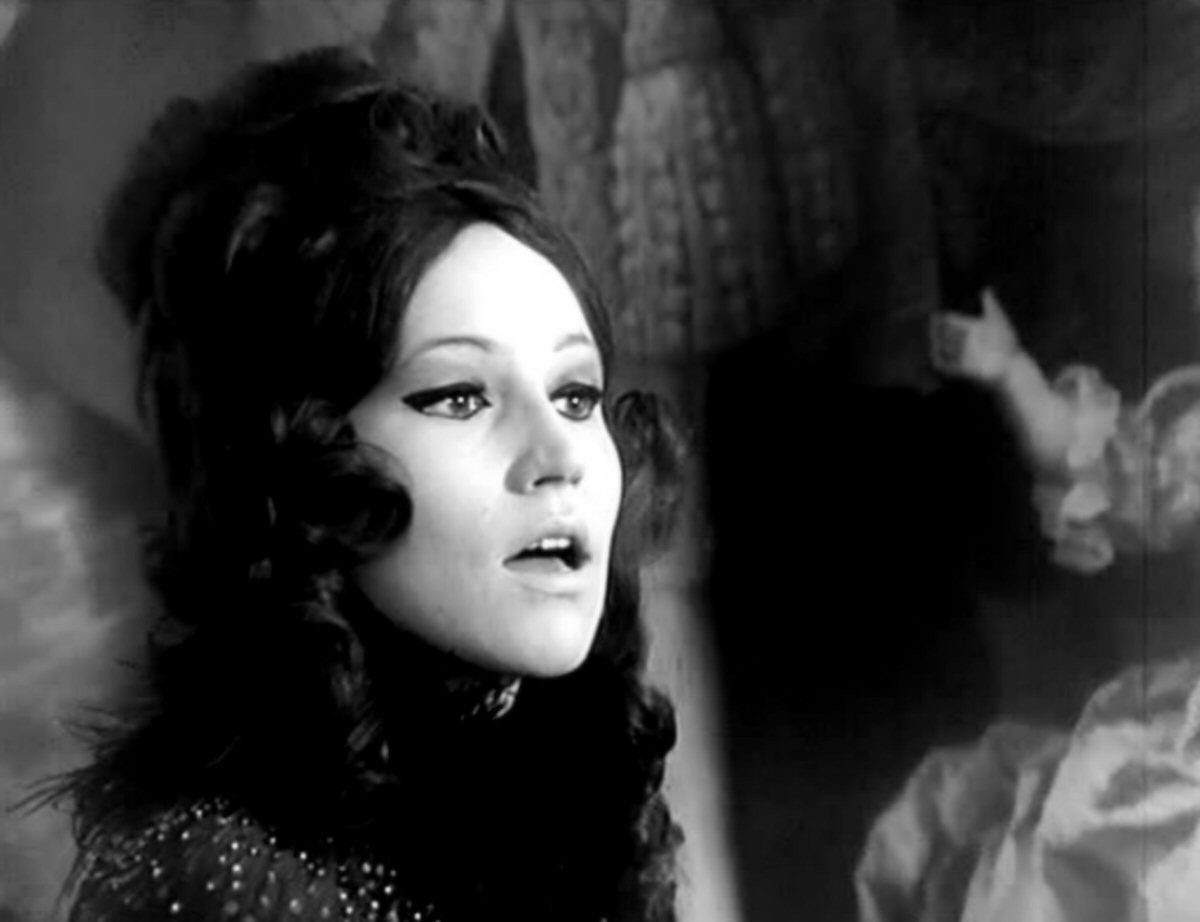
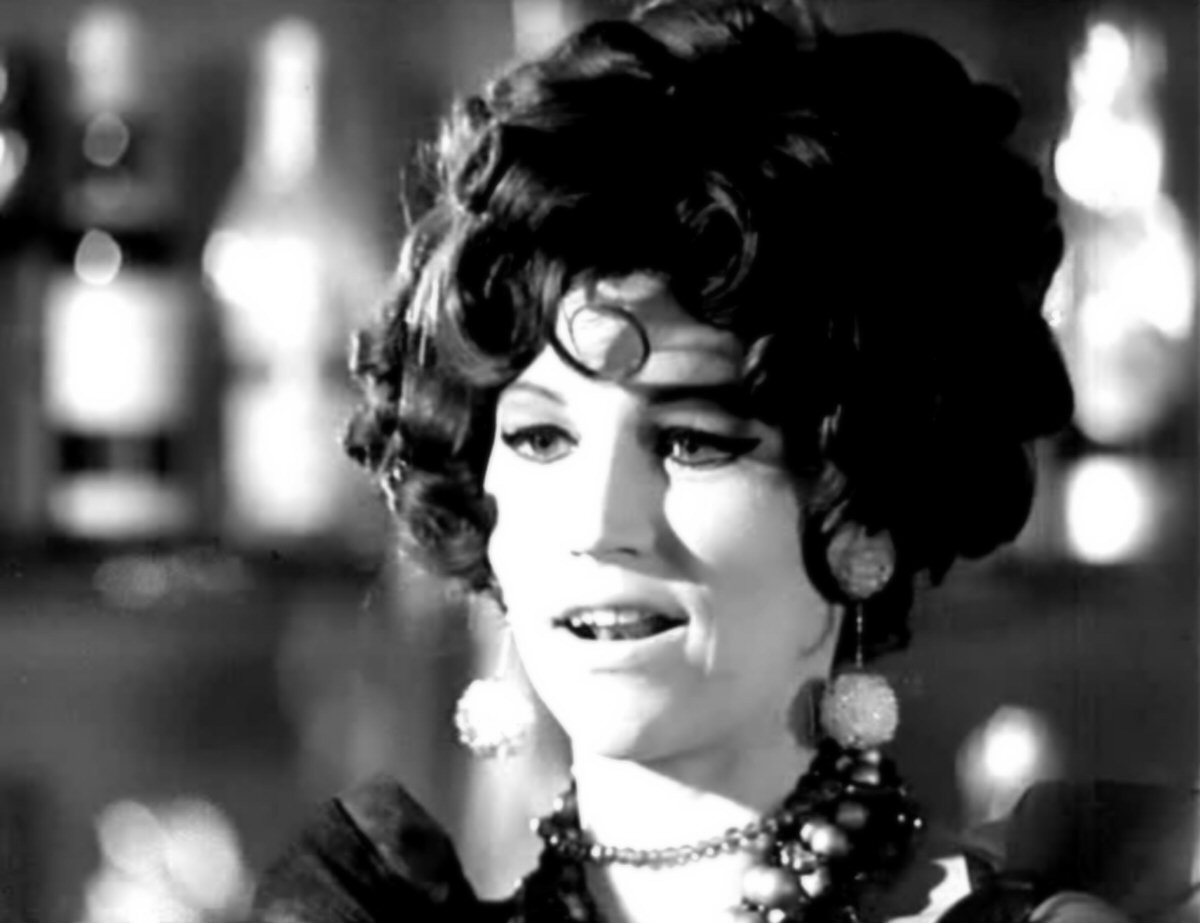
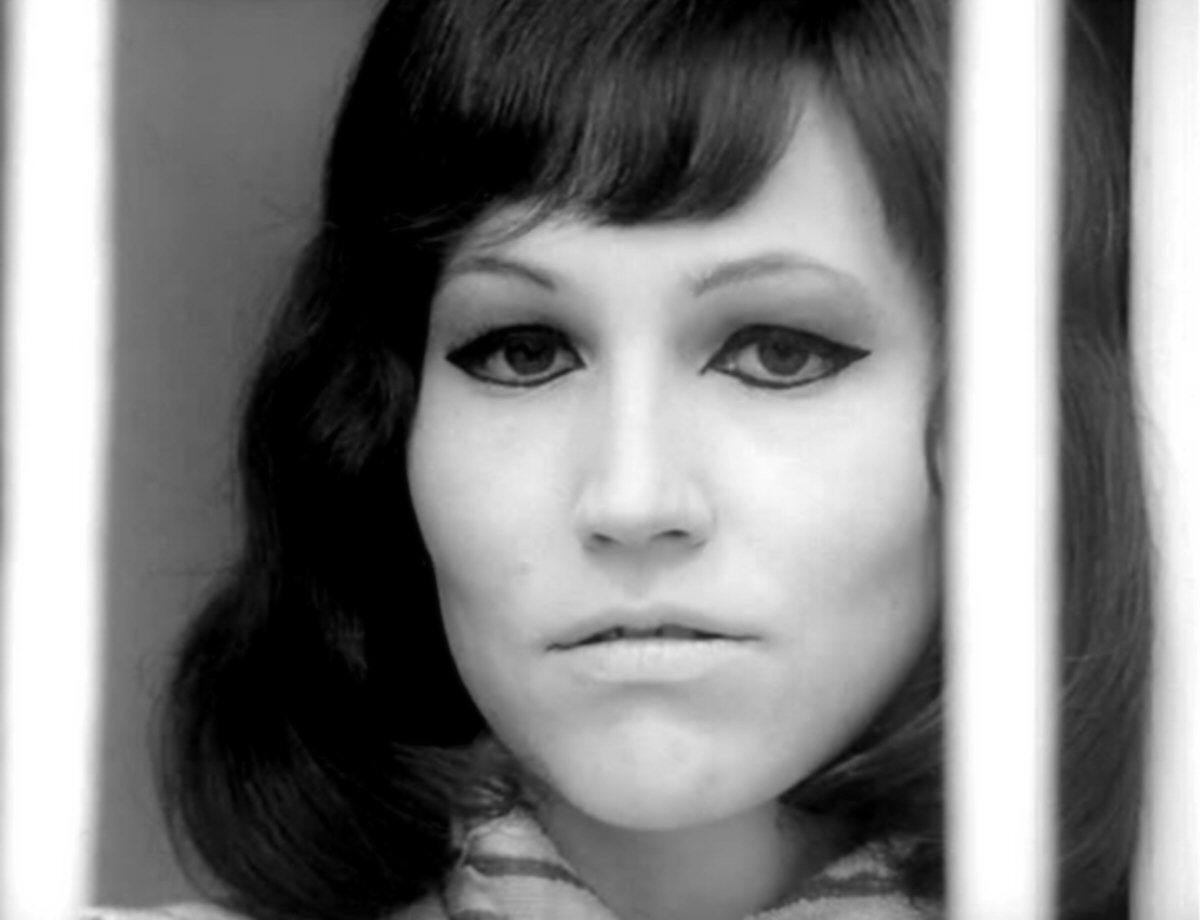
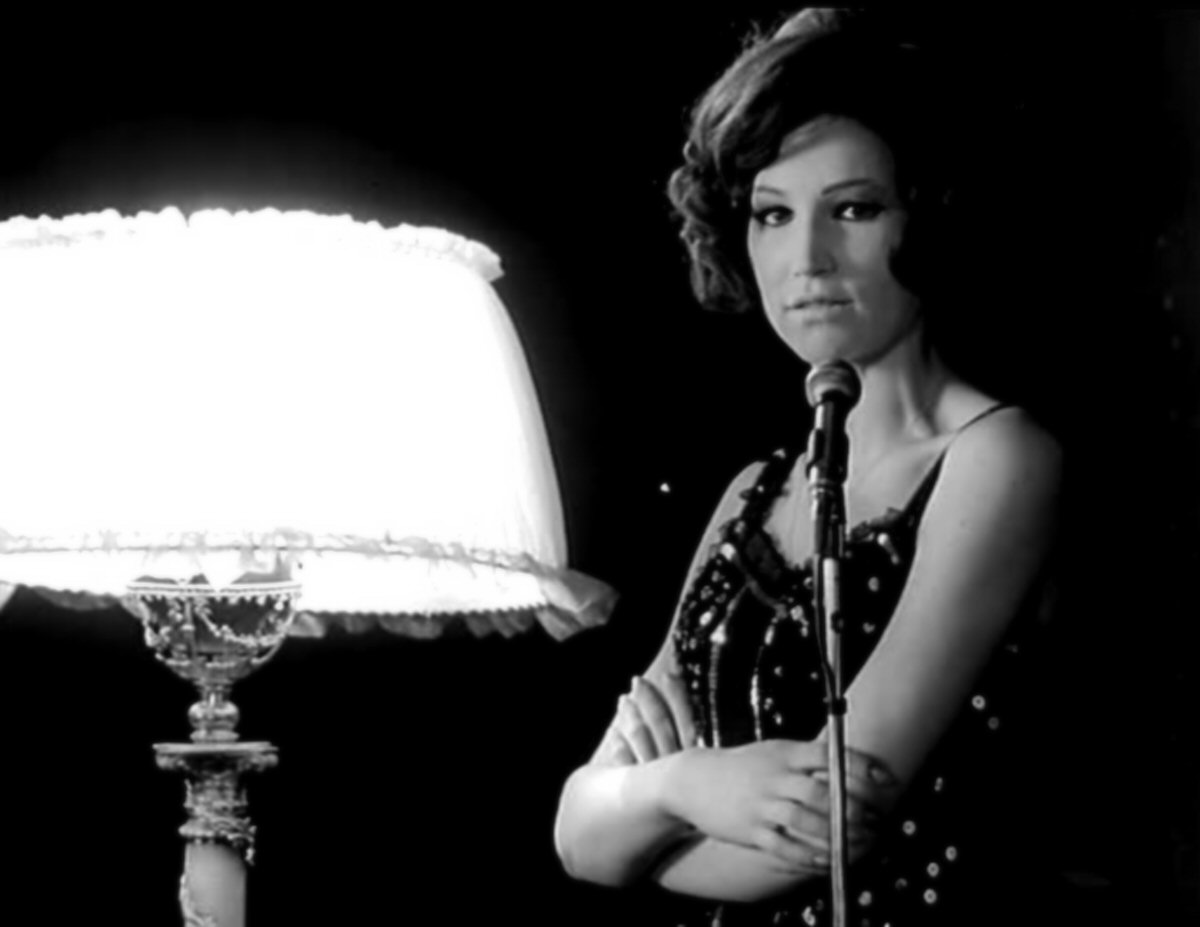
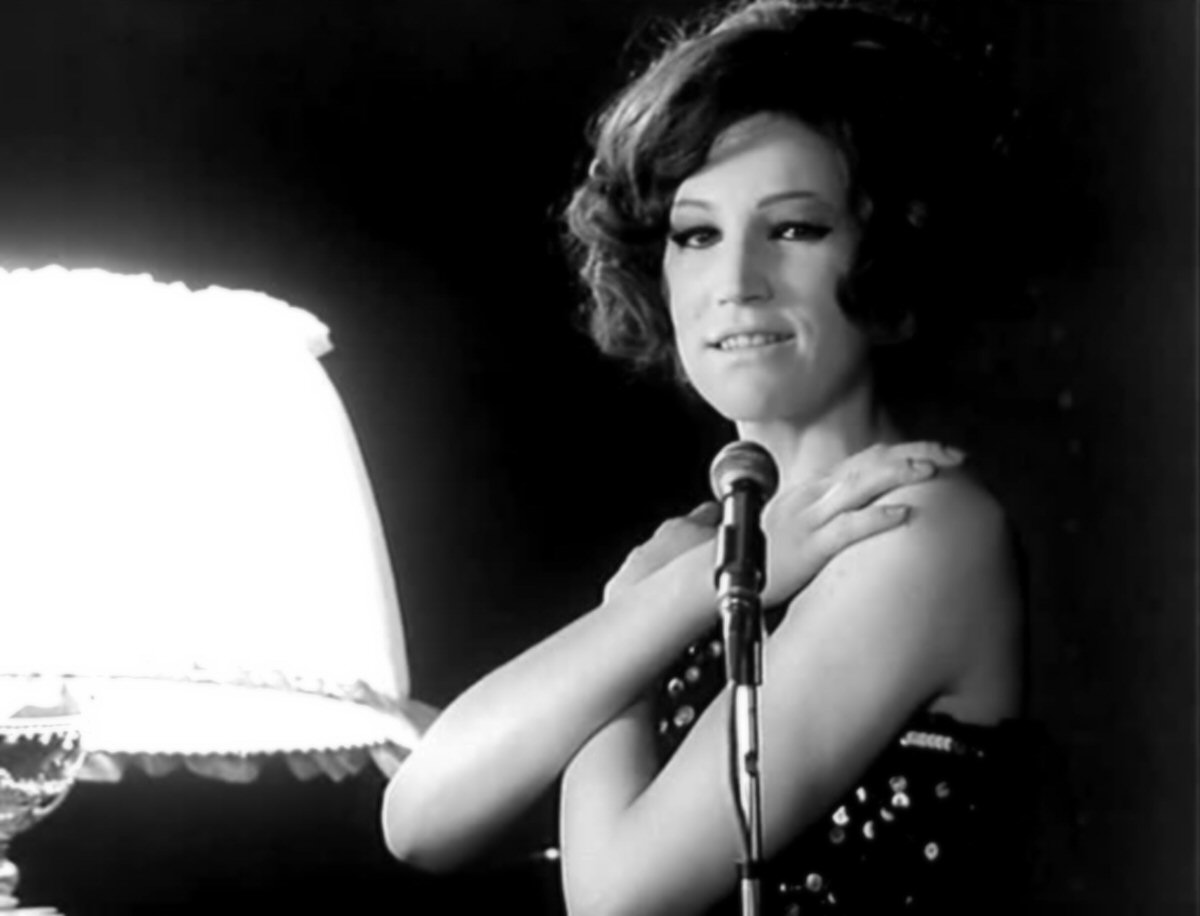
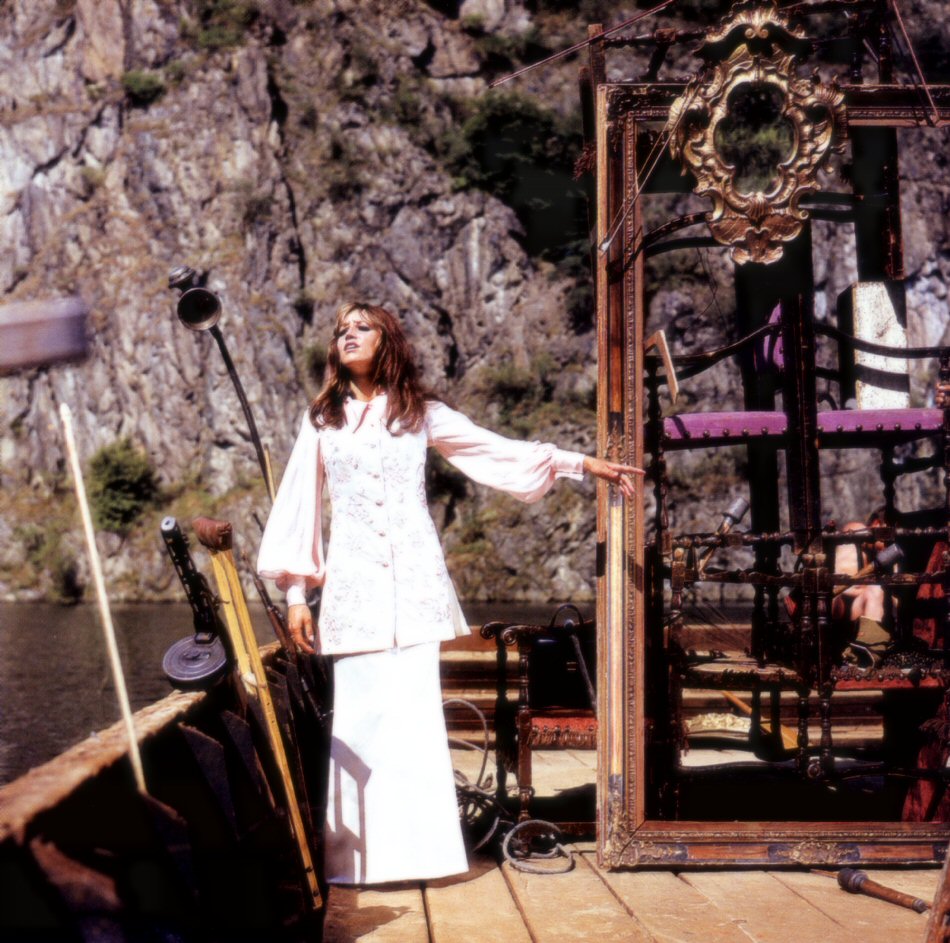
At the beginning of 1968 Marta filmed her music show "Melancholic necklace" (Náhrdelnik melancholie) directed by Jan Nemec and filmed by Jaromir Sofr. In the show Marta appeared in seven videos for her current hits. The final song in the show is one of the most dramatic ballads ever performed by Marta "Lampa" (The Lamp). The song was written by Bohuslav Ondracek and Pavel Vrba and recorded by Marta at the beginning of 1968.
 |
 |
 |
 |
 |
 |
 |
 |
 |
 |
Paris
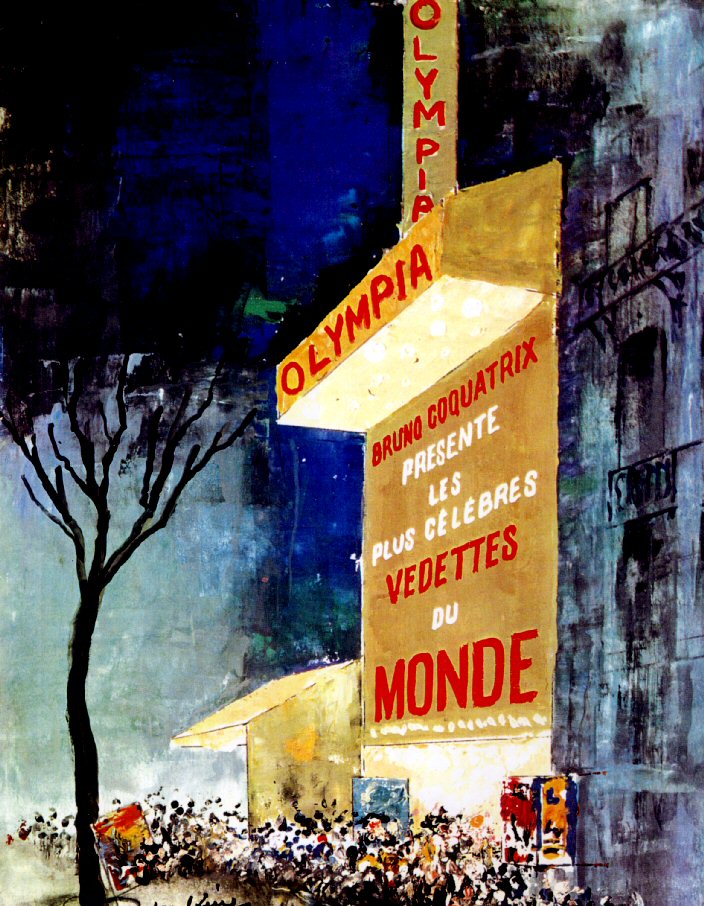
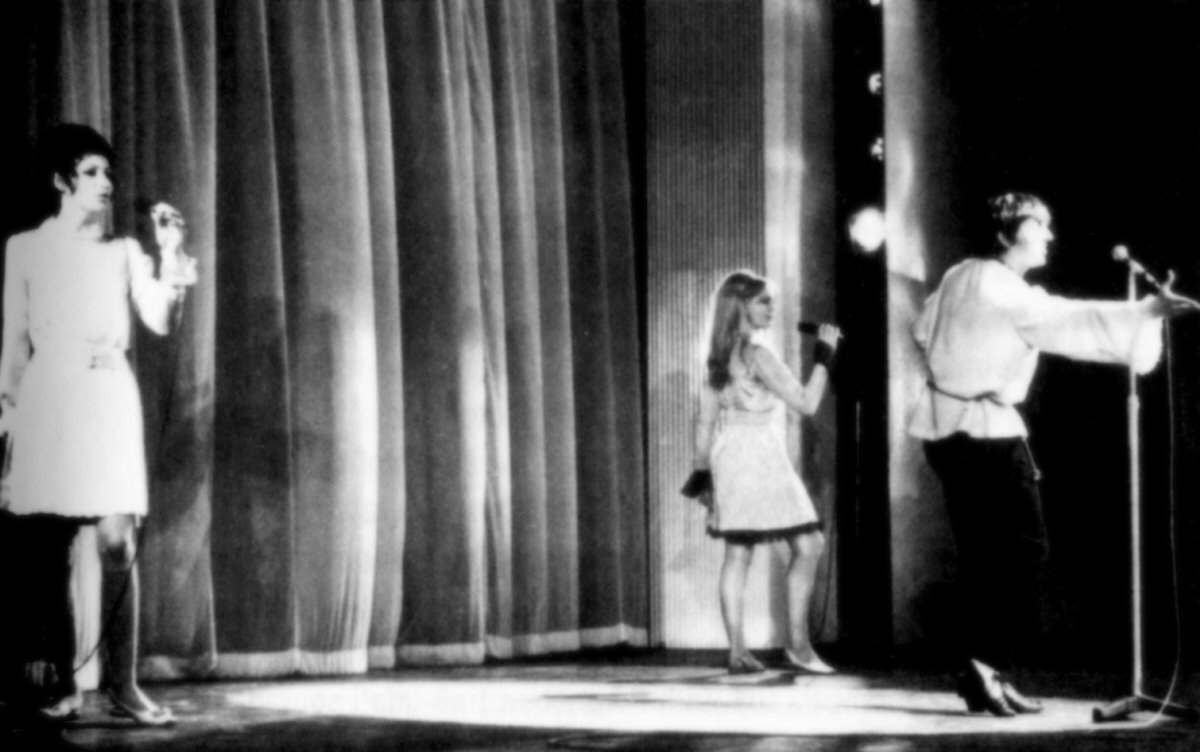
The performance in Cannes caused some interest in both Marta, Helena and Vaclav who received several invitations to a possible cooperation from other countries. The most interesting invitation arrived from the most prestigious concert hall "Olympia" in Paris and this invitation had been accepted by Marta, Helena and Vasek who would perform in Olympia in one month.
 |
 |
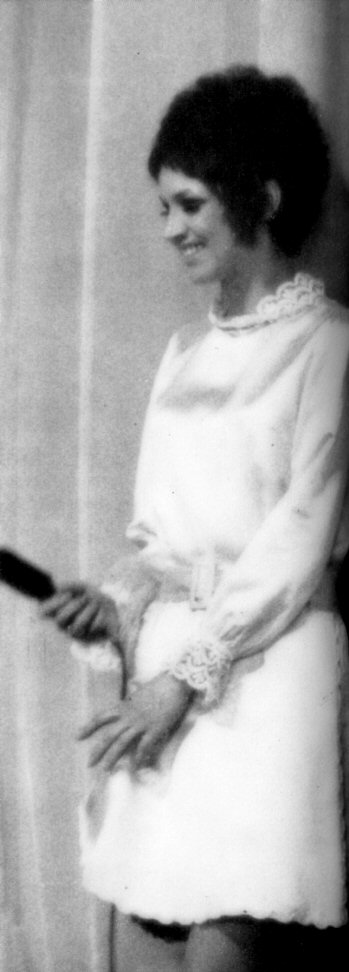 |
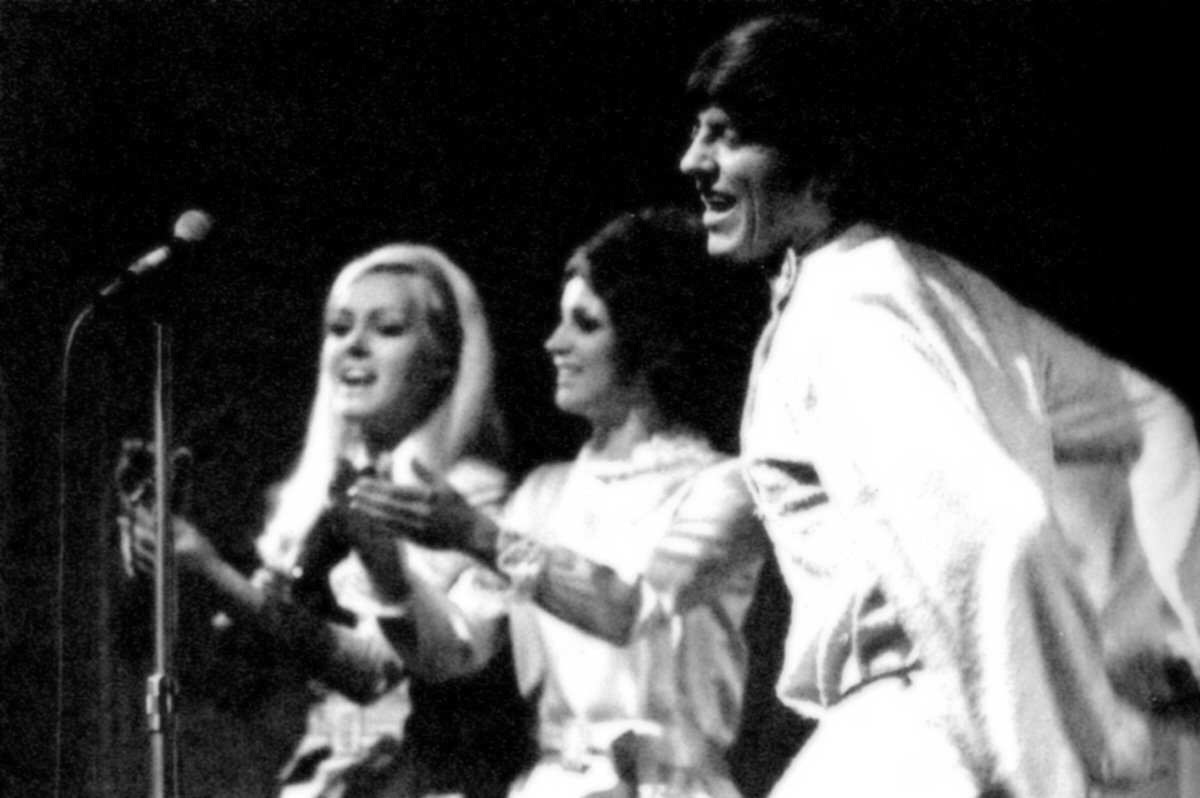
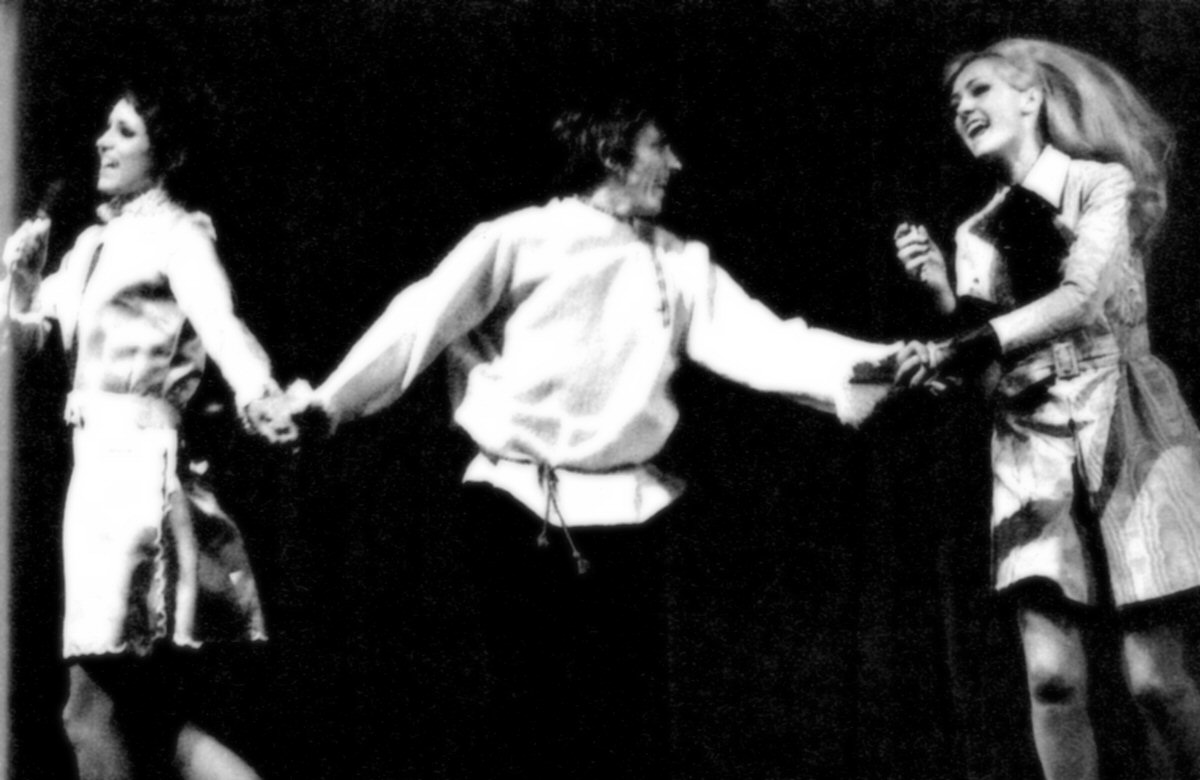
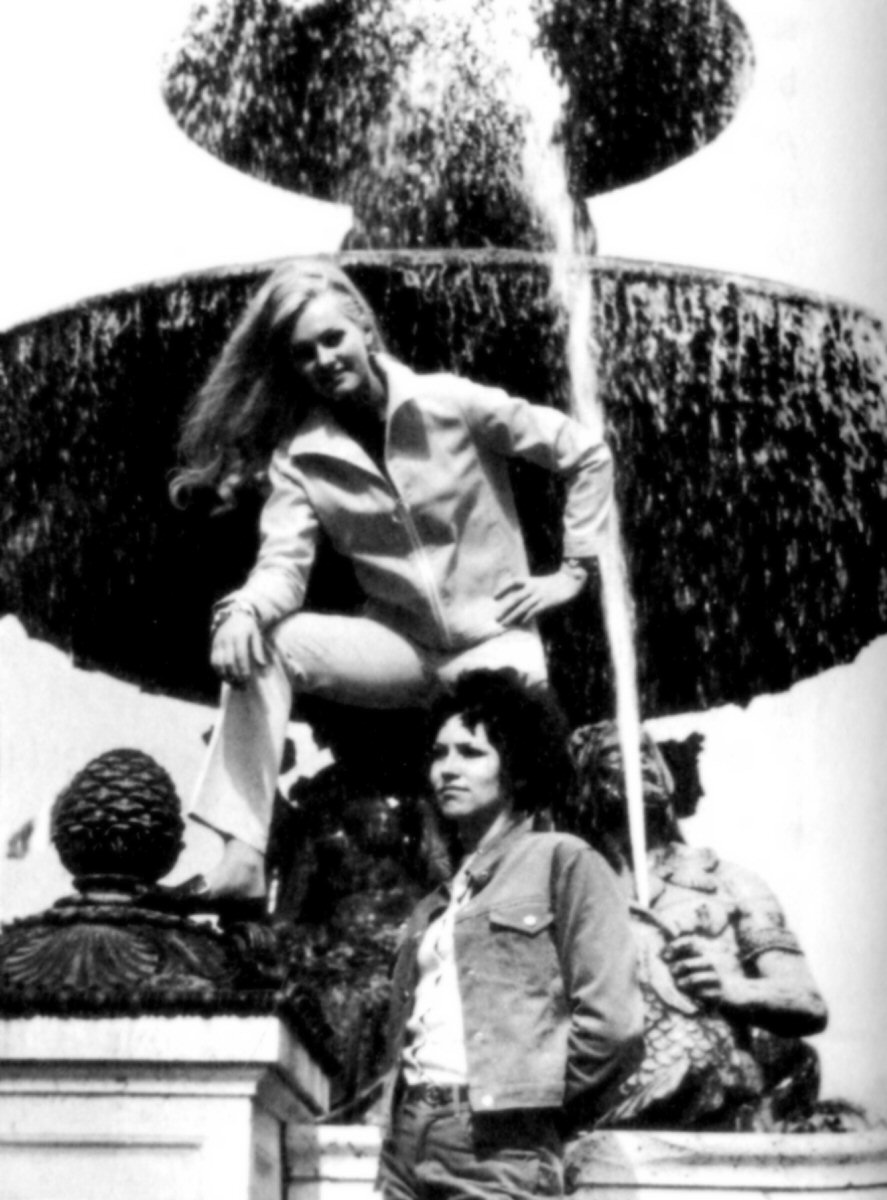
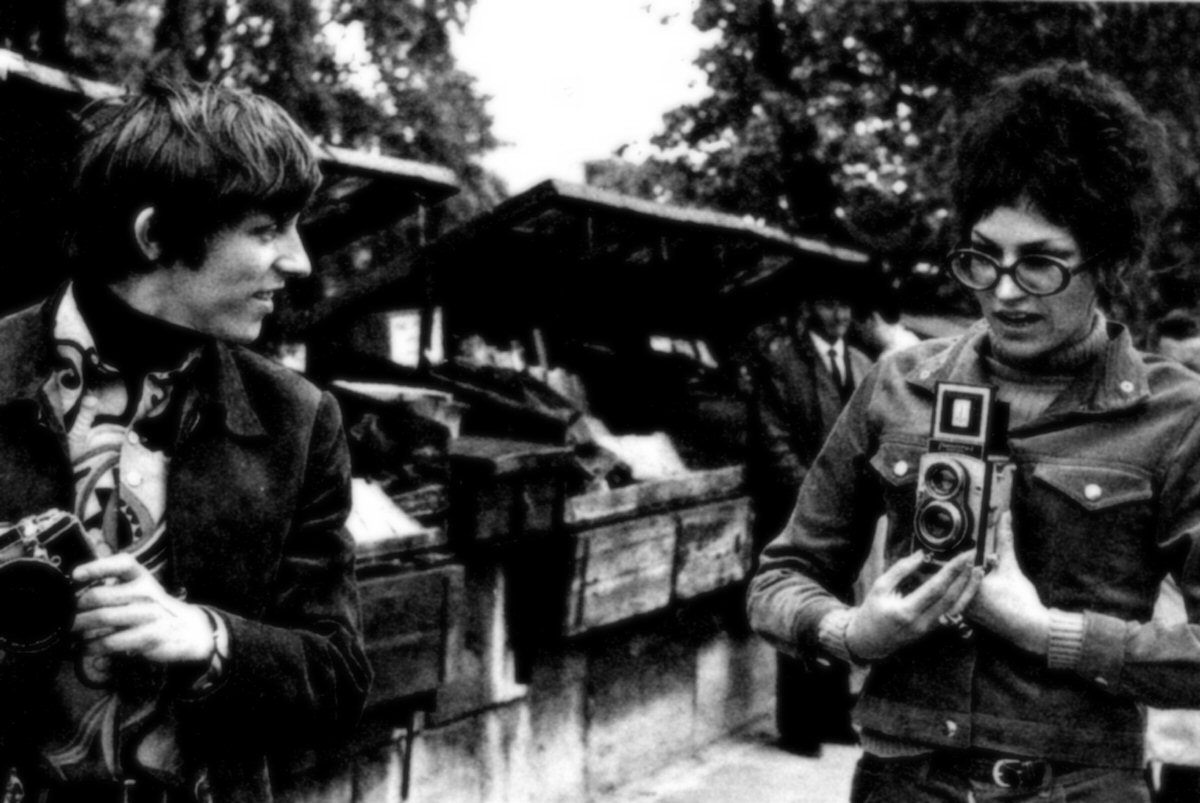
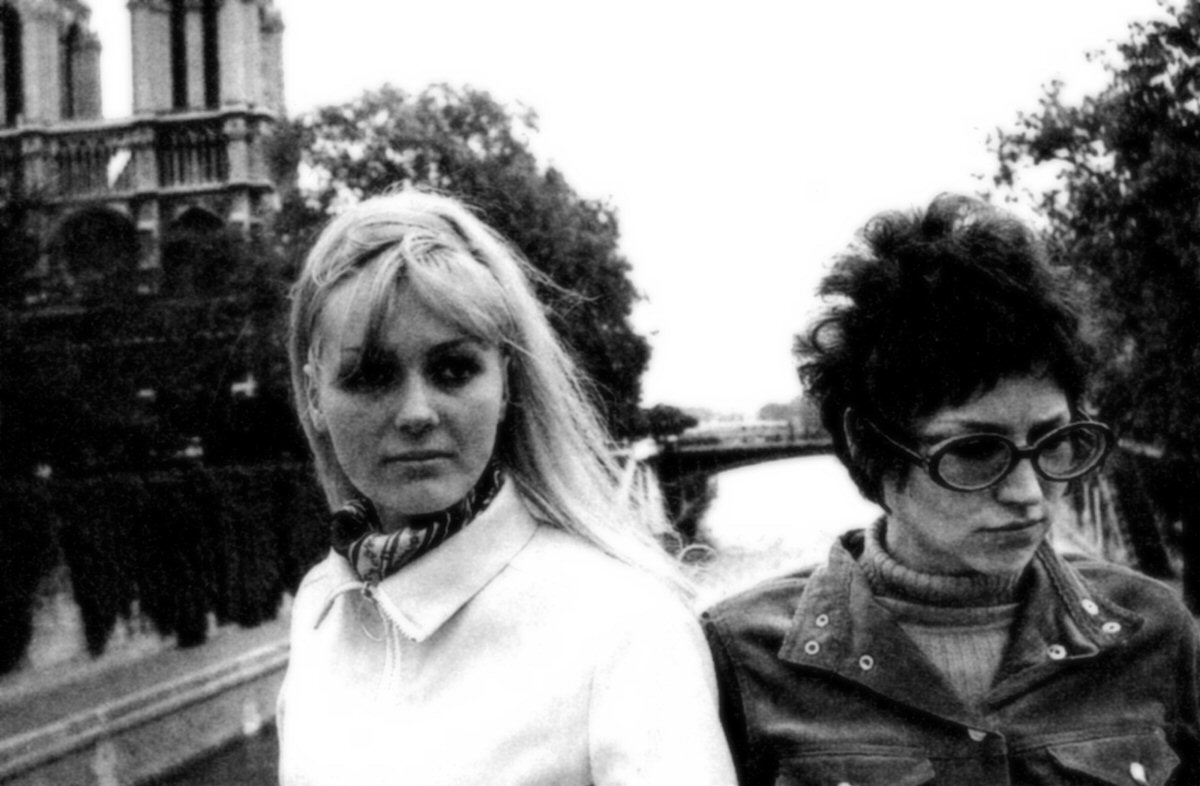
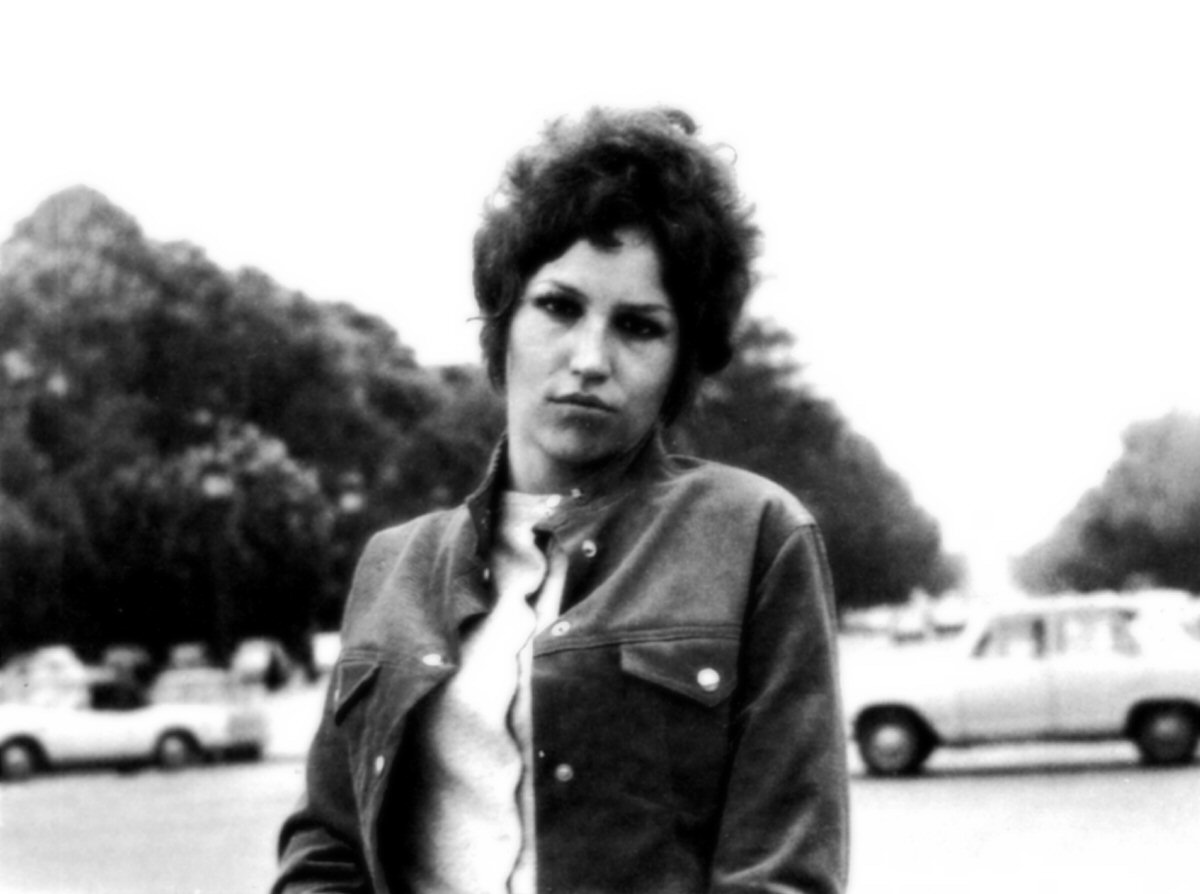
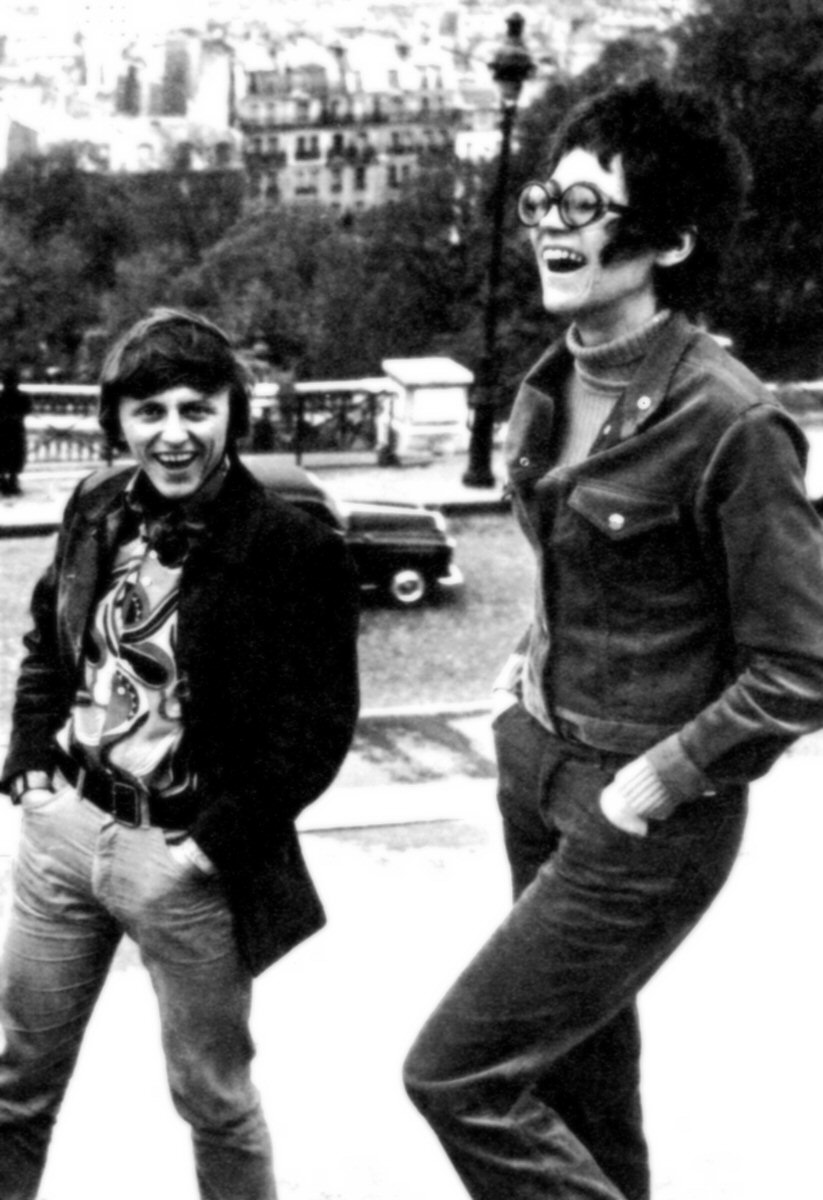
On April 1, 1968 Marta, Helena and Vaclav left Prague for Paris. The trio would appear within a bigger show with a 20-minute-performance including three solo songs each and two songs sung by all three of them. They performed as three artists on their own rights and not as a group. The stay in Paris was a great time for three young people from Czechoslovakia and great contrast comparing the capital of France to communist Prague somewhere in East Europe. They did not know that 32 years later Prague would become a new Paris in Europe and much more overcrowded by tourists from all over the world than any other European city.
 |
 |
 |
 |
|
 |
 |
 |
 |
|
 |
 |
Marta Kubisova remembers... "It was in spring 68. In Paris, it was held a splendid reception for us. The director of Olympia, Bruno Coquatrix, presented us to everyone as his Czechoslovakian friends. I spoke a little French and I explained to the public what we sang about. I was even proposed to stay and work in Paris for six months. But it was in May, during the student revolt and I did not want stay there. I wanted to return to Prague and maybe come back later. But after, the Russians arrived the project disappeared. Moreover, I always said to myself if I had been obliged to exile me, I would have settled in France."
Until I get tired - the single
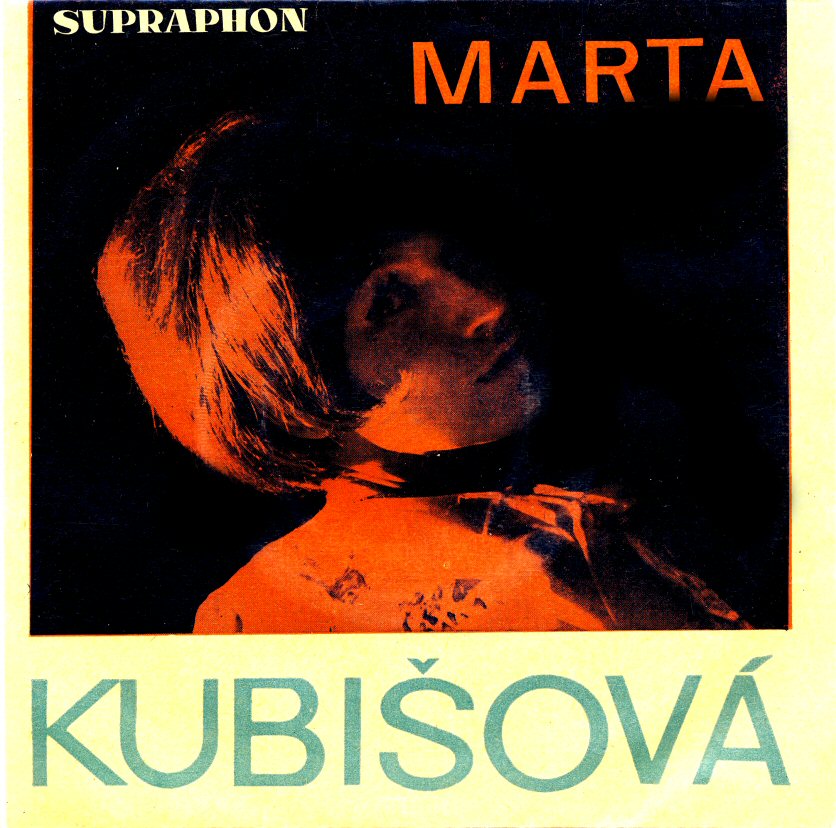
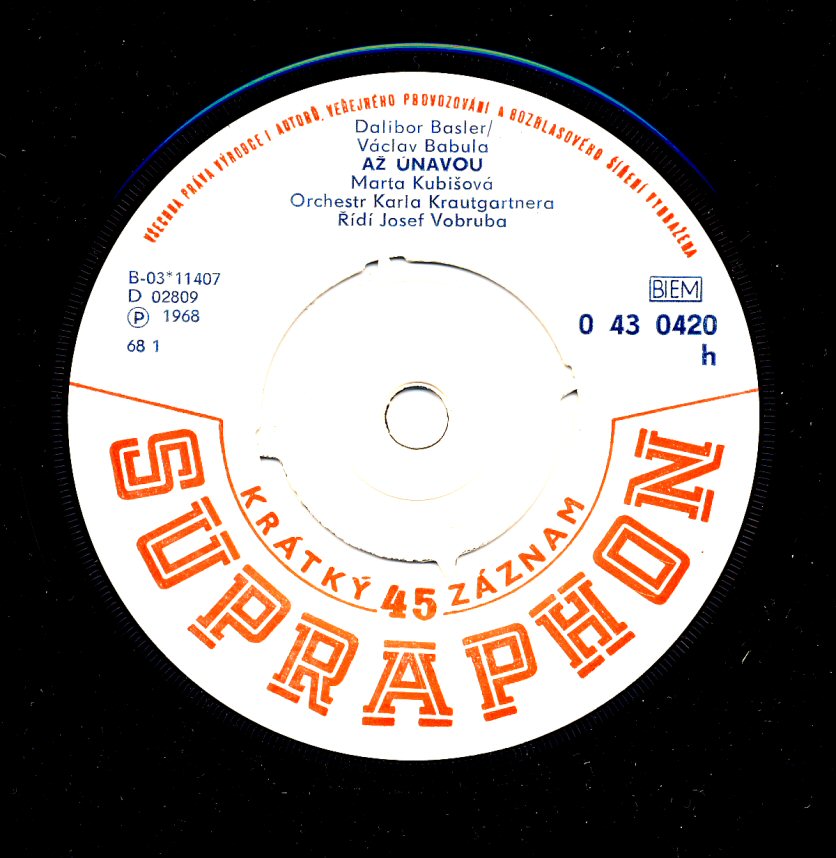
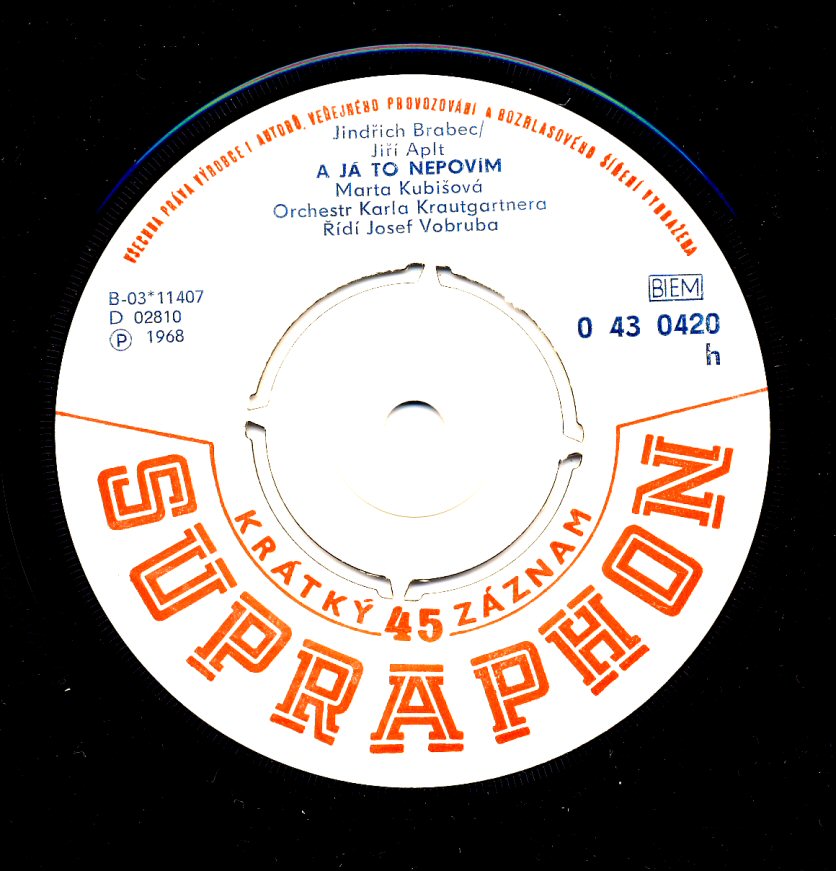
New single released in the spring 1968 featured two songs recorded at the end of December 67: "Az unavou" (Until I get tired) and "A ja to nepovim" (I won't say it). Both titles seemed to suit to the political situation in the country and Marta's situation at that time.
|
|
|
|
|
|
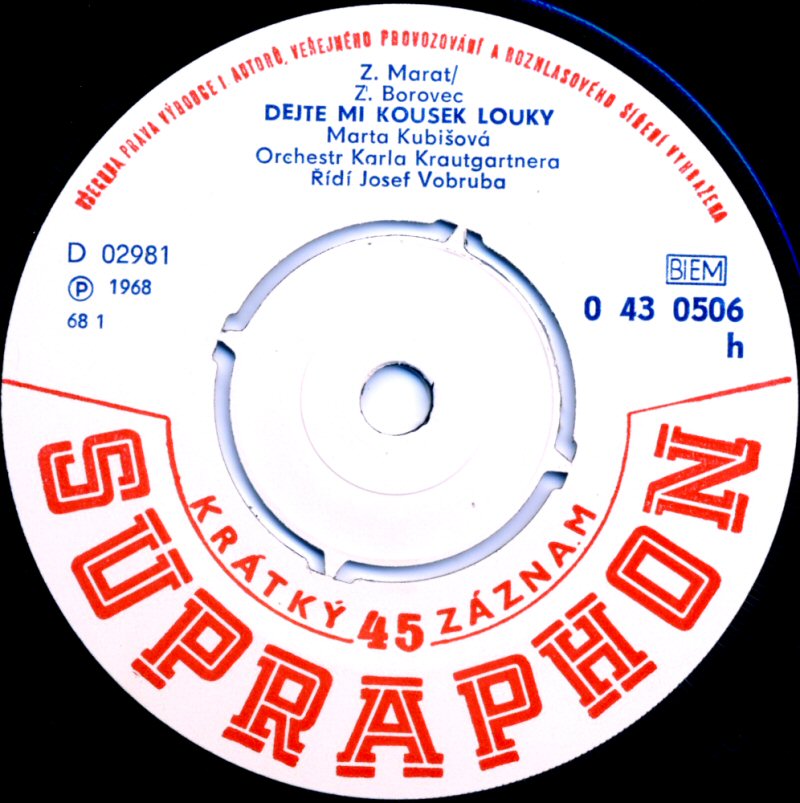
Dejte mi kousek louki
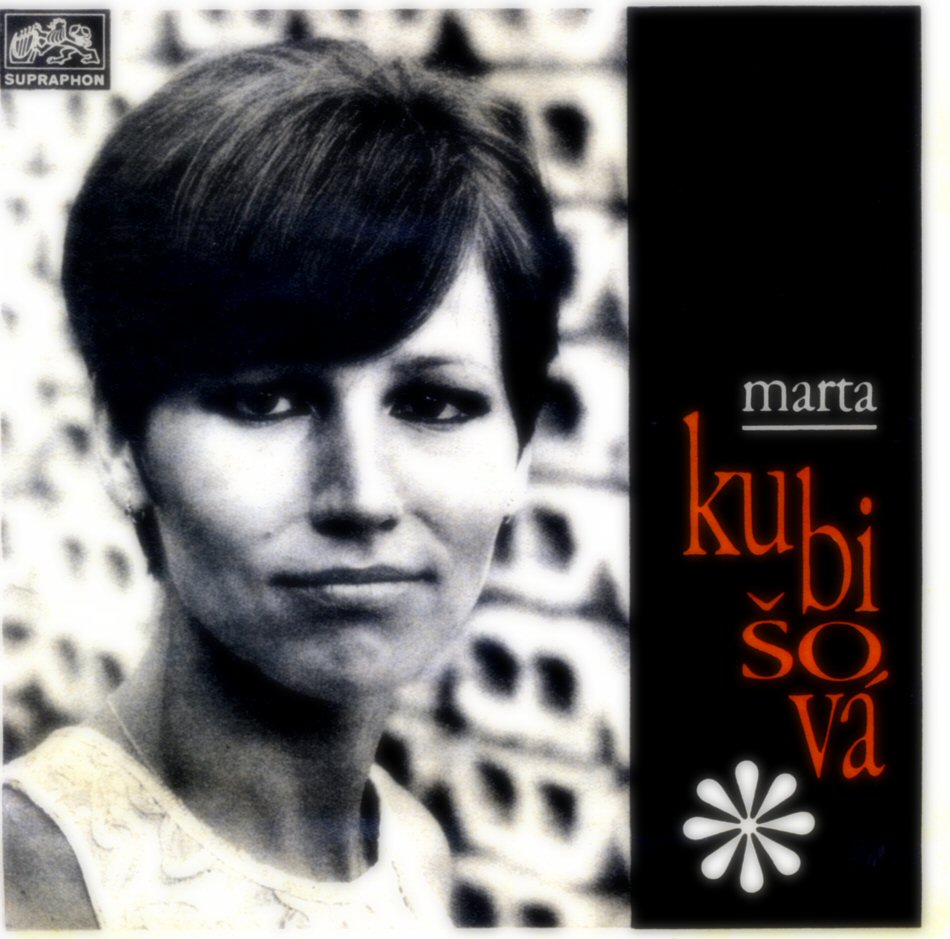
The single with the song "Dejte mim kousek louky" (Give me a bit of the meadow) which was completed on April 29th, 1968 appeared on the Czechoslovakian chart in June 1968. Even the song from the flipside of the single "Rikam ti" (I tell you) was completed the same day.
 |
 |
 |
 |
The Bratislava festival
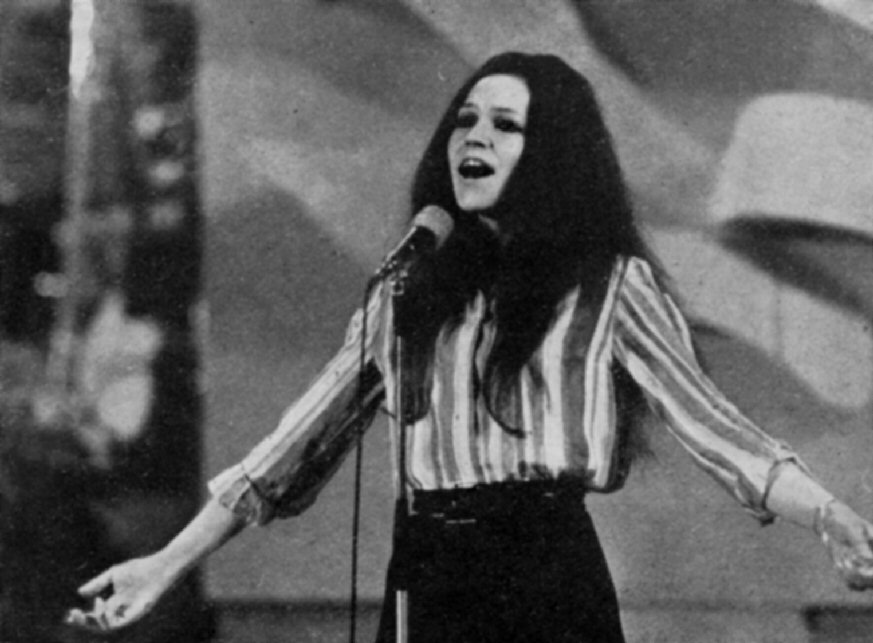
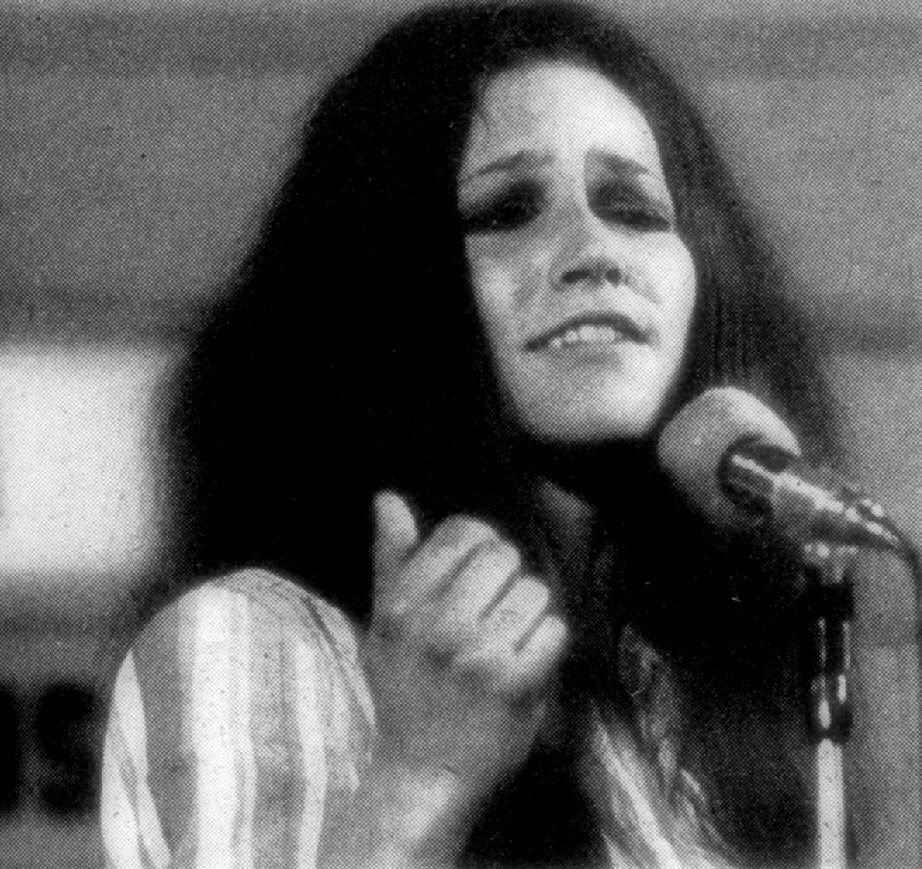
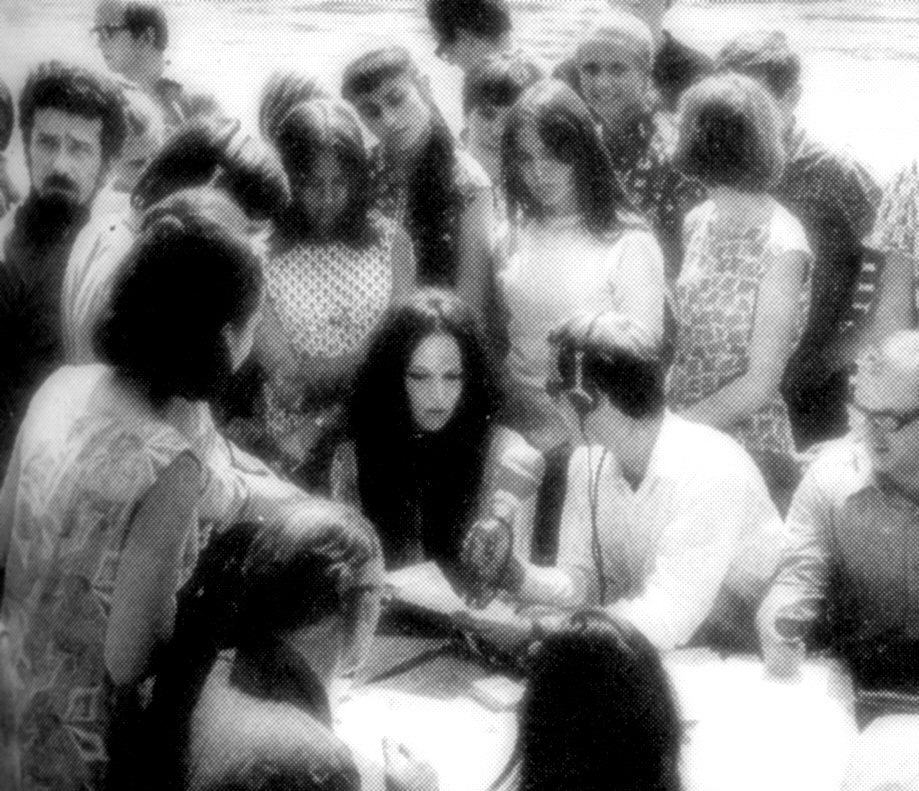
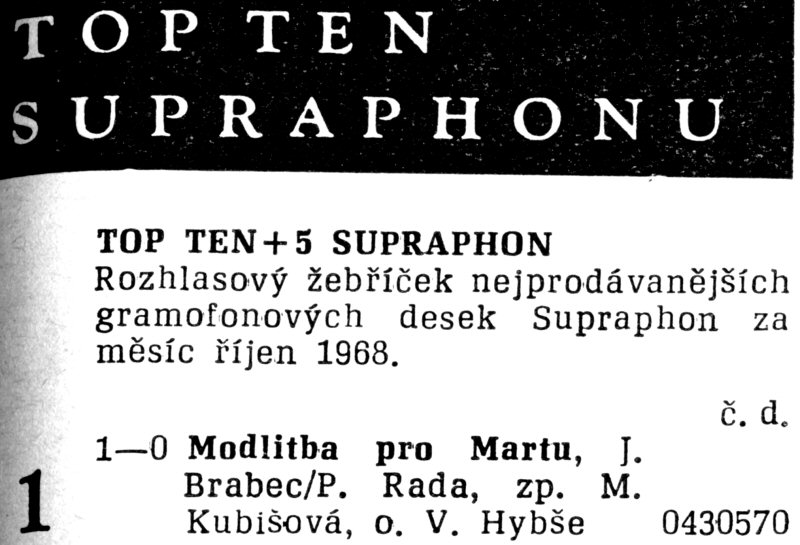
Marta was very successful on the Bratislava festival in 1968 where she received the highest prize - The Golden Lyre for the song "Cesta" (Journey). The single "Cesta" entered the Top Ten of the record company "Supraphon" in July 1968 at #8. In August was it on #5 and in September on #7. In October the single left Top Ten but Marta's new single " Modlitba pro Martu" (Prayer for Marta) entered the chart directly on #1.
 |
 |
 |
 |
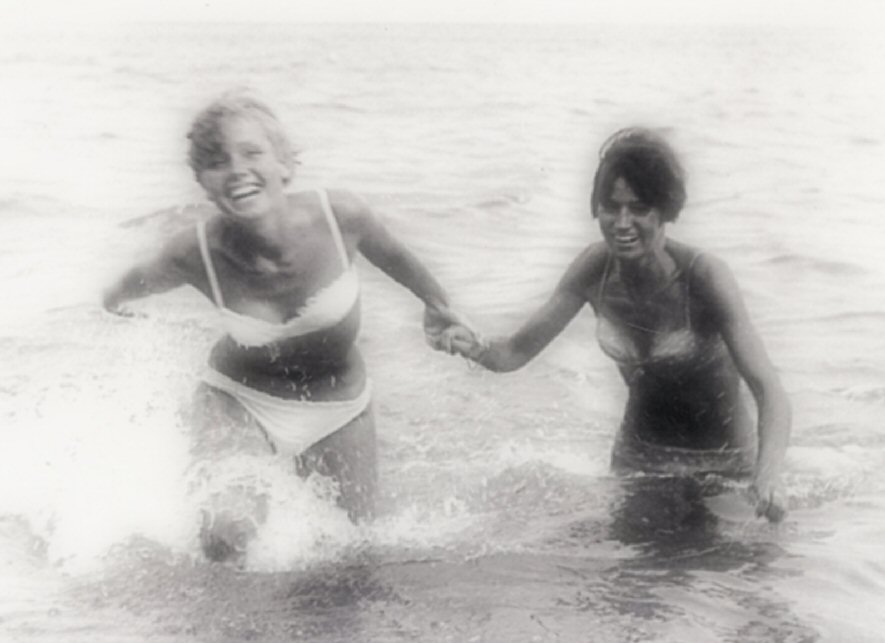
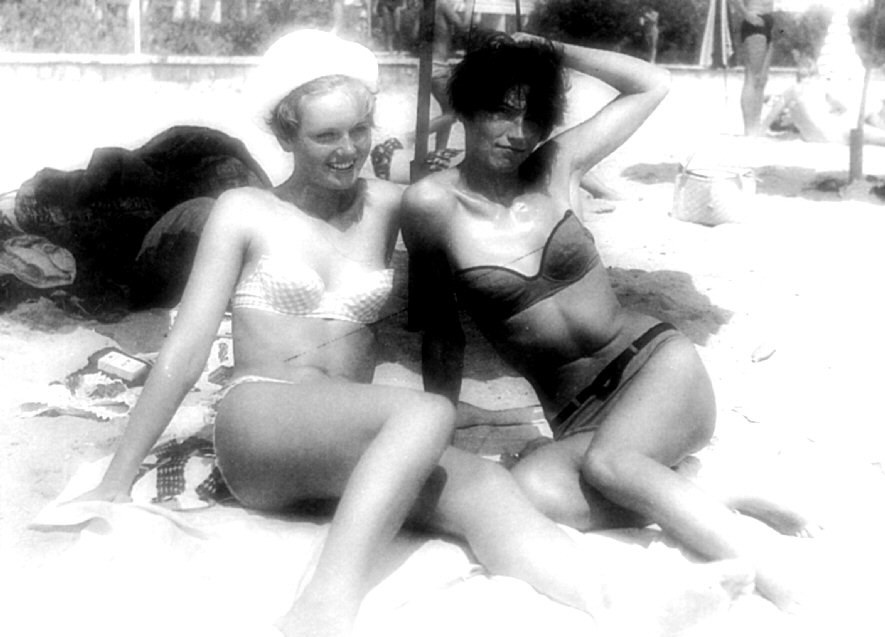
One of the biggest problem for most pop stars is people's envy. Marta Kubisova was attacked many times during the 1960s by press and people who stated that she lived a luxury life and... took taxi when she went to work at the theatre. It was only beginning. After return from France everybody in Prague "knew" that both Marta and Helena performed on stage in Paris.. naked! Maybe it was envy and stupidity that caused communist's decision about prohibition of Marta as a singer two years later. Anyway in the early summer both Helena and Marta went on holidays to Bulgaria.
 |
 |
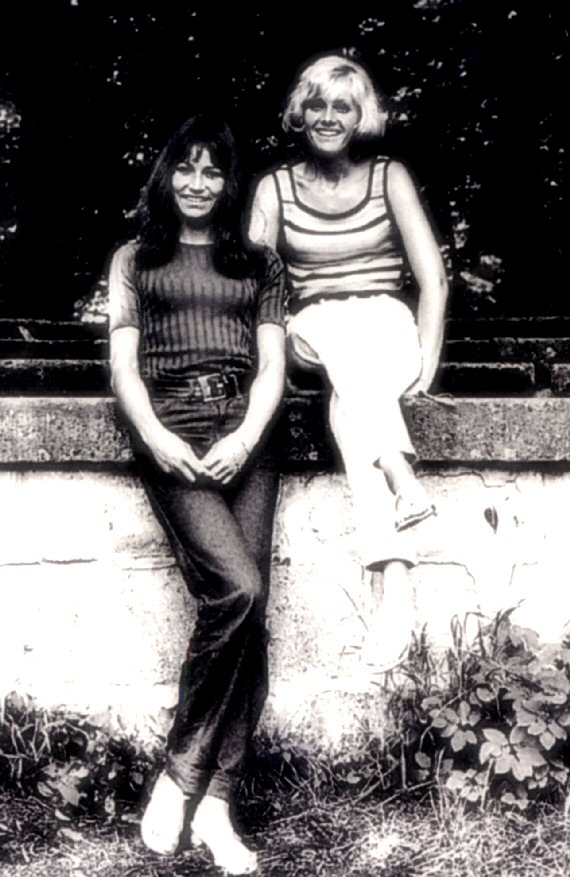
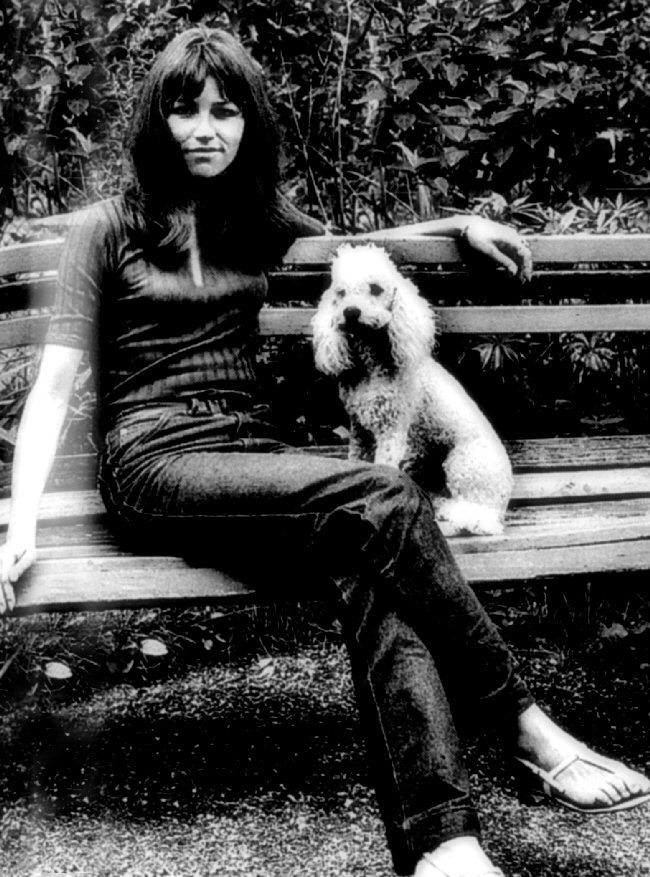
The Slatiniany photo sessions
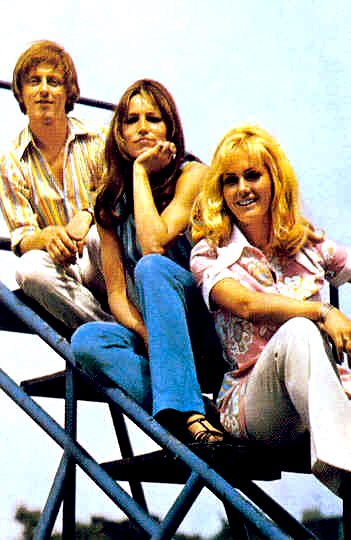
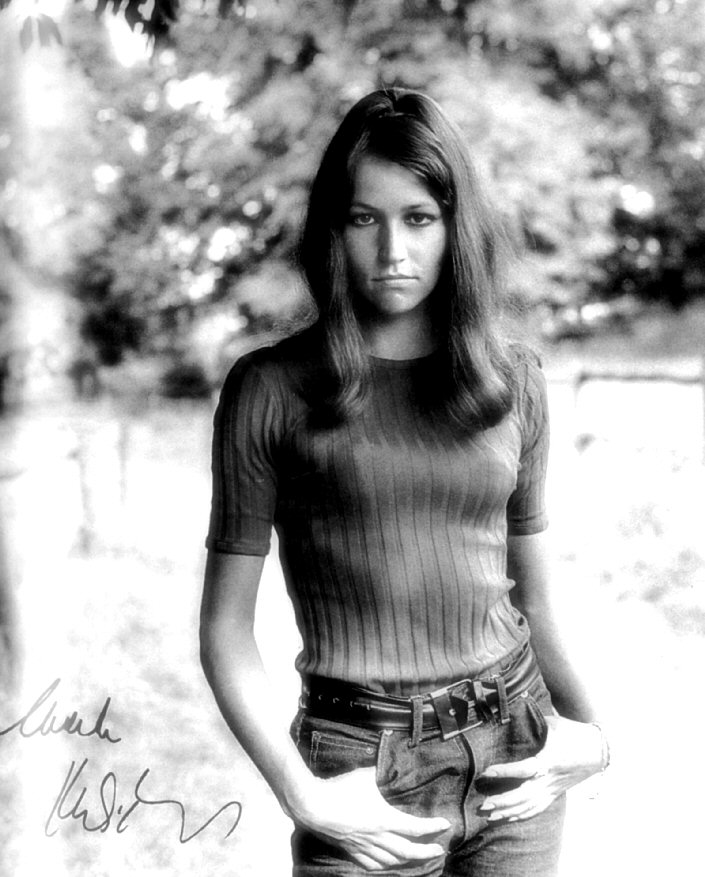
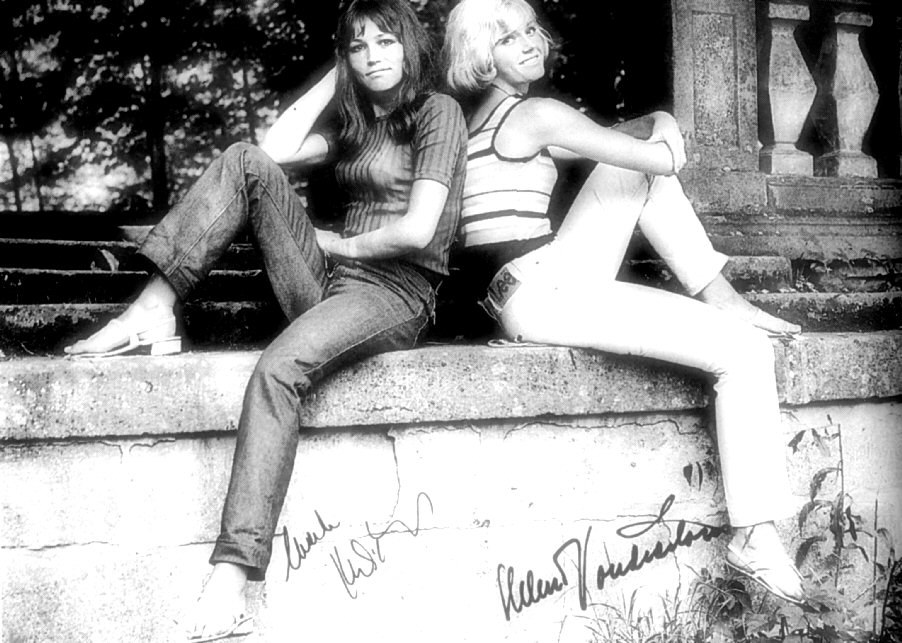
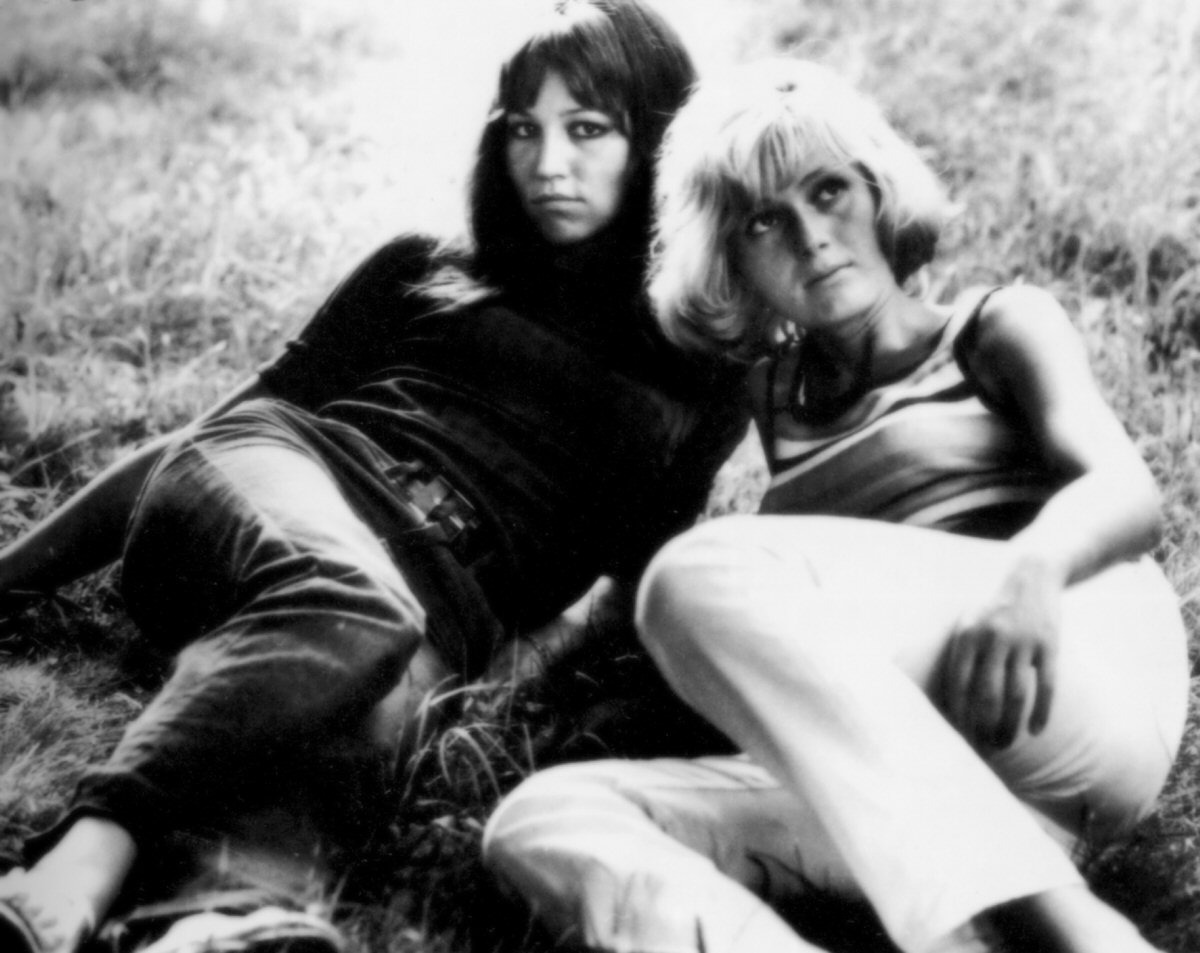
Later this summer Marta was invited to Helena's family home in Slatiniany where they could relax some days together with Helena's family. During the stay there were taken lots of pictures. Some of them would be used on the cover of Marta's first album some months later.
 |
 |
 |
 |
 |
|
|
|
|
|
|
|
|
|
|
|
|
Modlitba pro Martu (Prayer for Marta) - the single

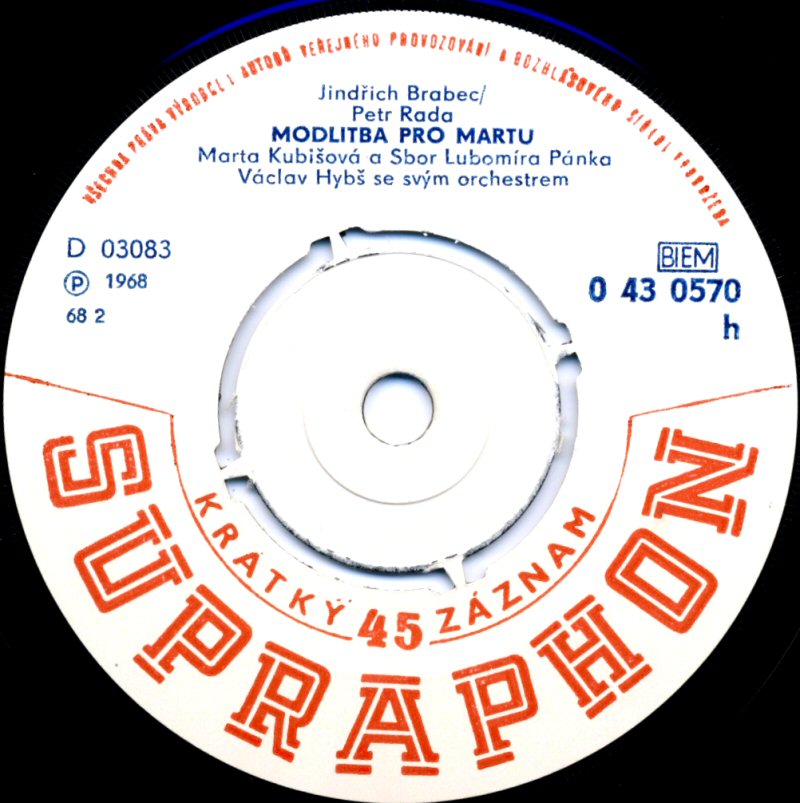
The song "Modlitba pro Martu" is called for Czech's unofficial anthem. This legendary recording was written for Marta during the hard time in her land's history in 1968. The first recording of the song was done on August 23, 1968 two days after the Warsaw pact's invasion of Czechoslovakia. The song symbolized the feeling of Prague Spring 1968 - the time of hope which was shut down by Russian troops on Prague's streets. Marta dared to sing political messages and maybe she thought then that communism in her land would not last long. But she was mistaken - the communists would have power for 21 years to come. Marta performed her prayer on TV and in front of Czechoslovakian president Mr Svoboda on the Prague castle on September 21, 1968 - one month after the invasion.
The single "Modlitba pro Martu" entered the Top Ten chart of the record company Supraphon's best selling singles of the month in October 1968 at #1.
go.to/Marta the discography if you want to hear the song
|
|
|
|
|
|
The video
|
|
|
|
|
|
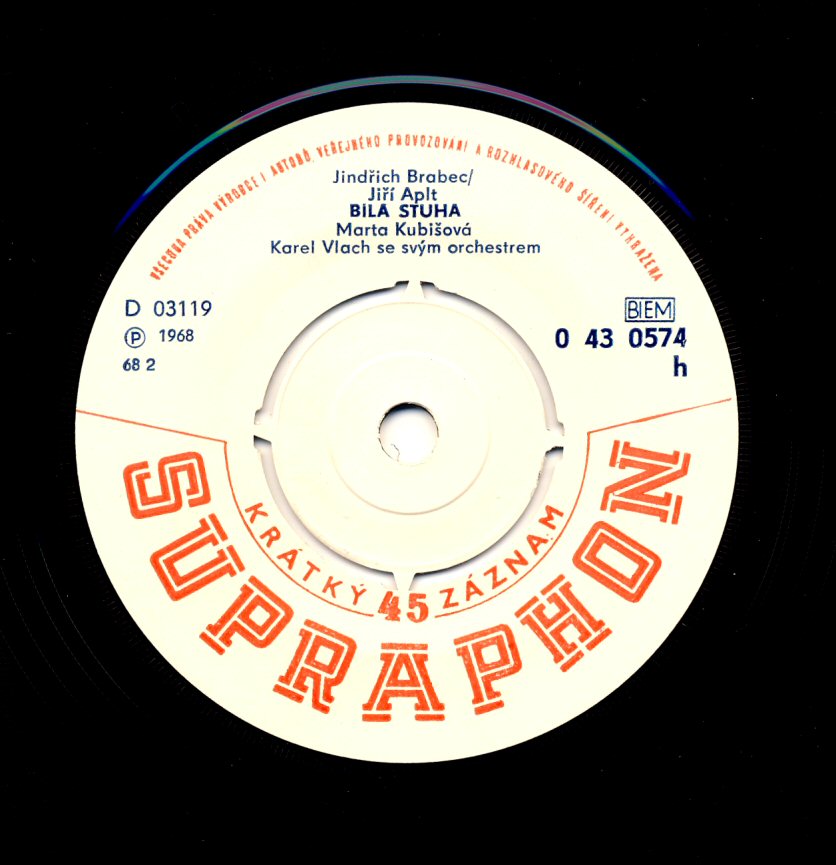
White ribbon - Bila stuha - the single
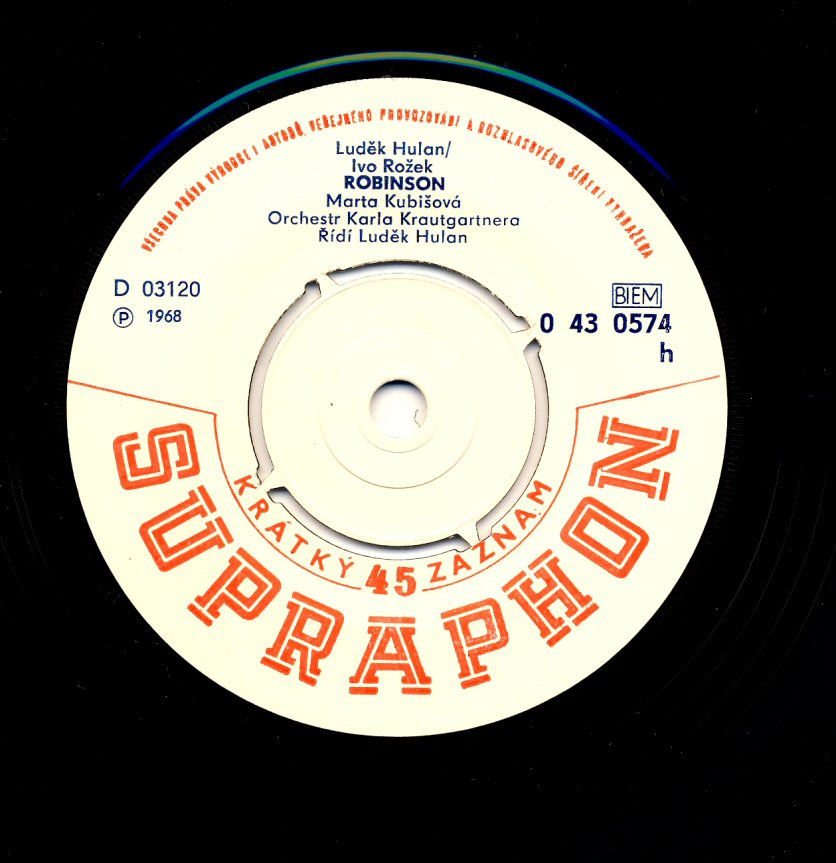
The new single released in the autumn 1968 contained two new recorded songs: "Bila stuha" (White ribbon) and "Robinson".
|
|
|
|
|
|
Photo session
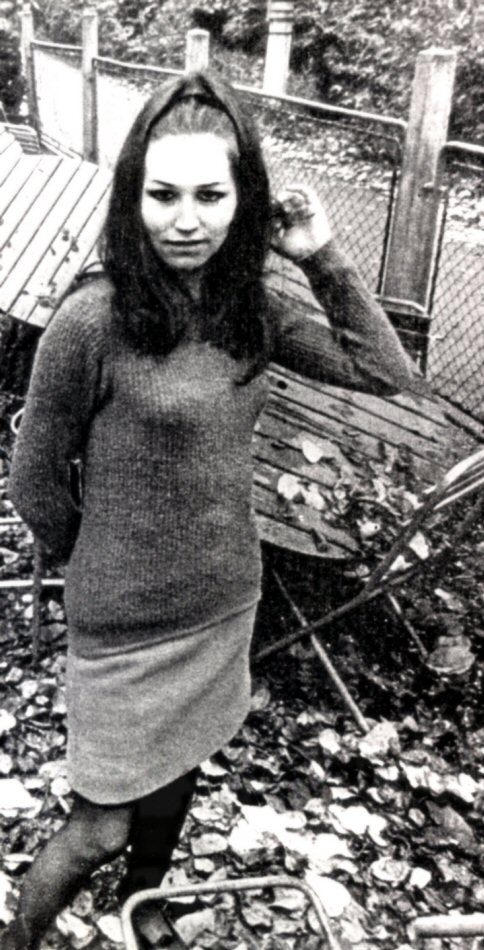
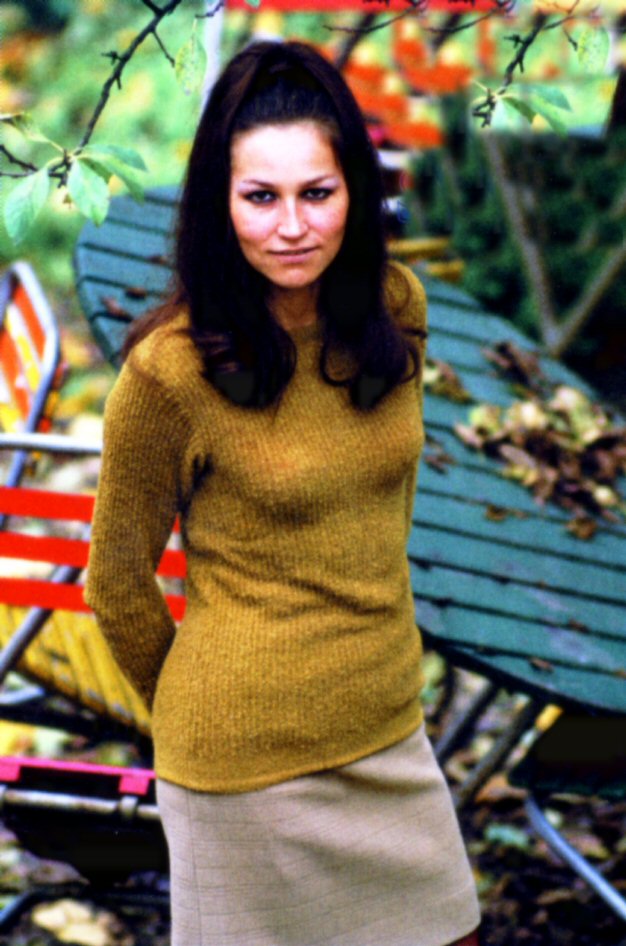
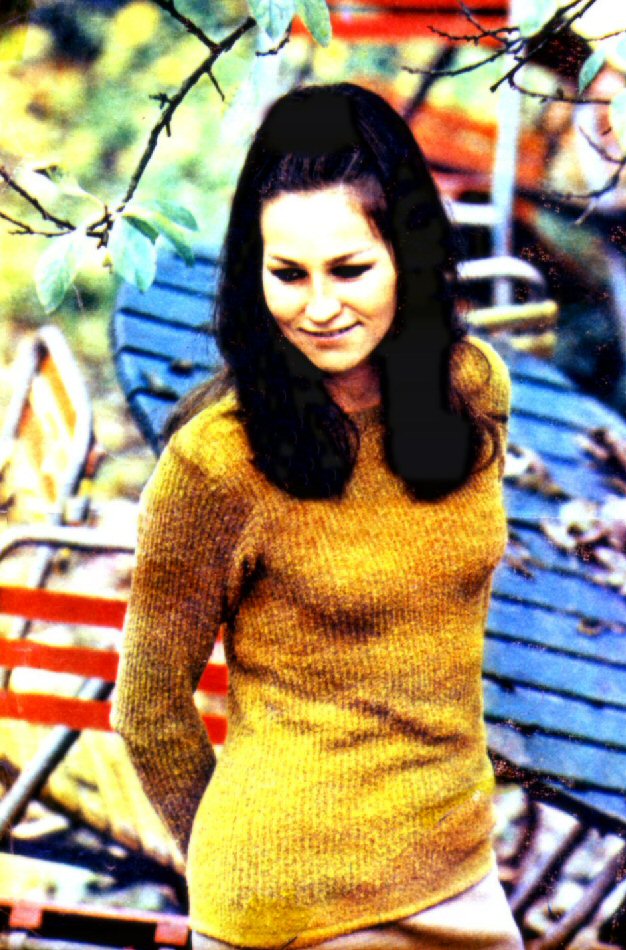
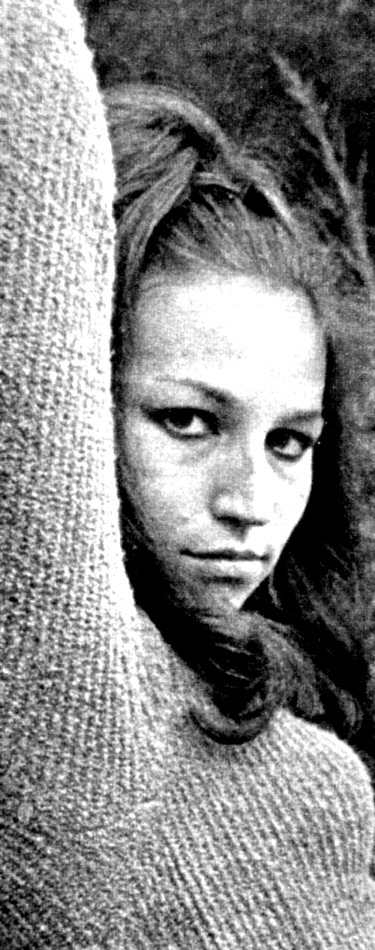
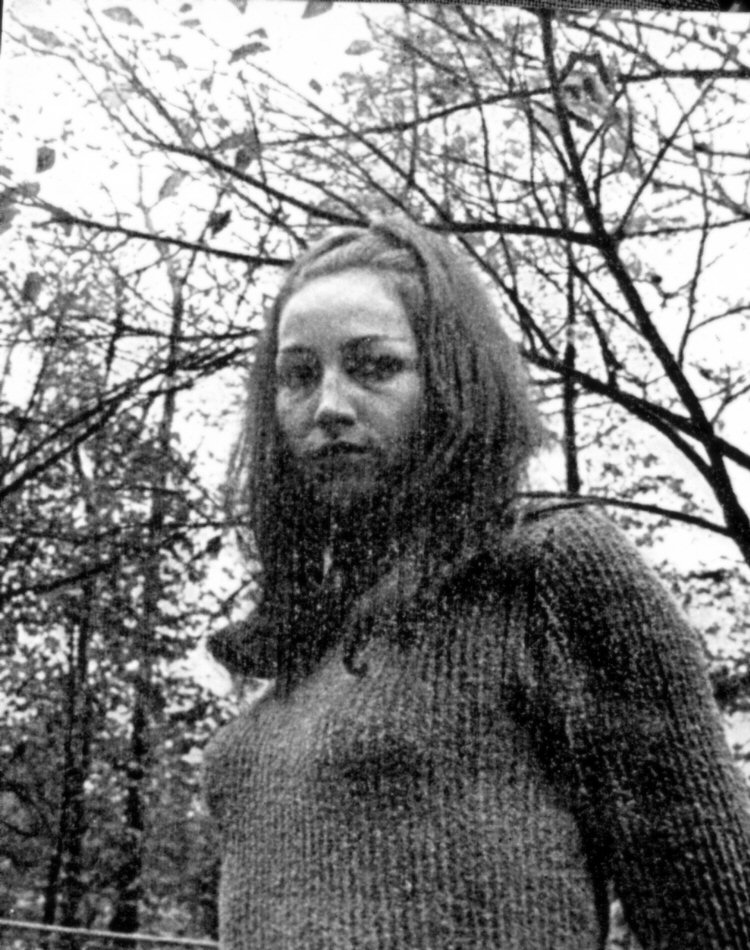
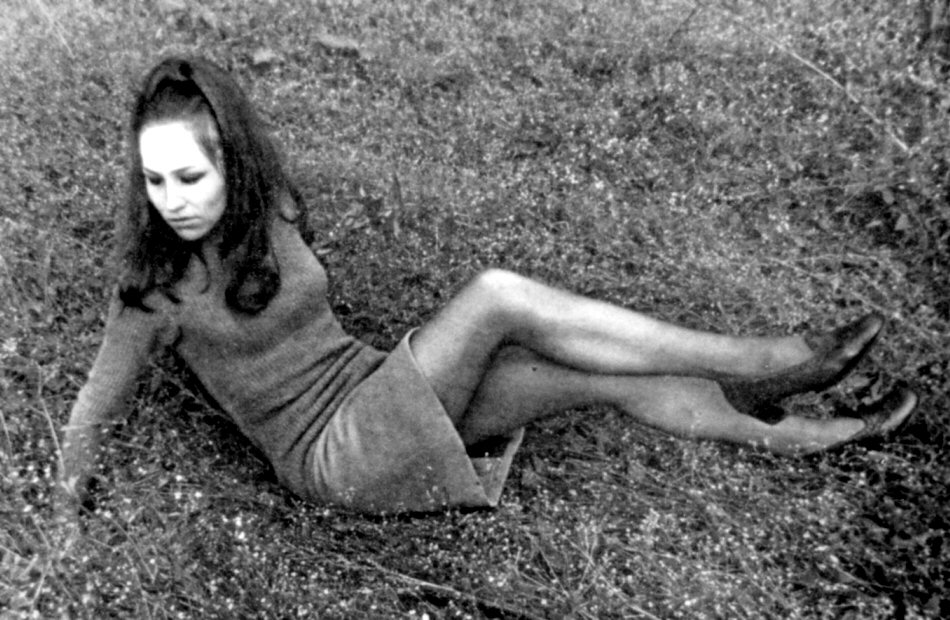
An extended photo session was taken in the late autumn 1968.
 |
 |
 |
 |
 |
 |
Golden Kids
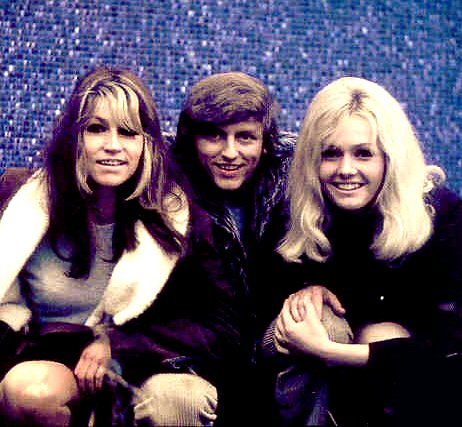
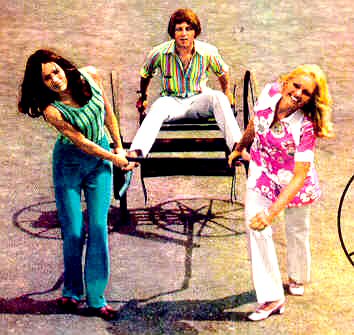
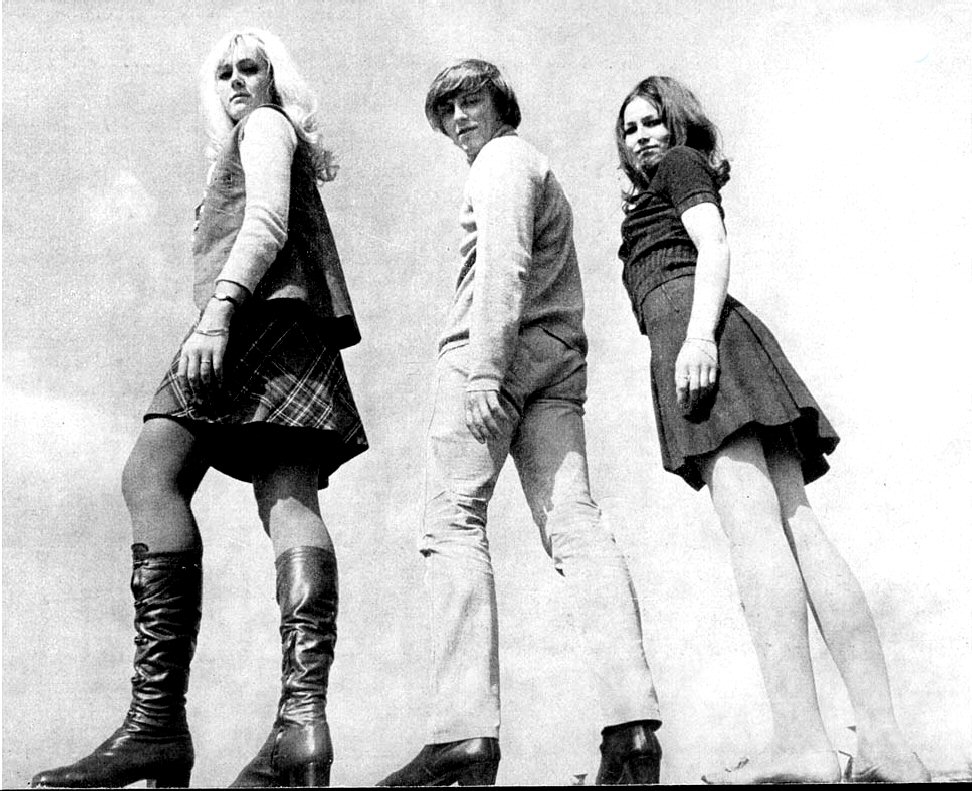
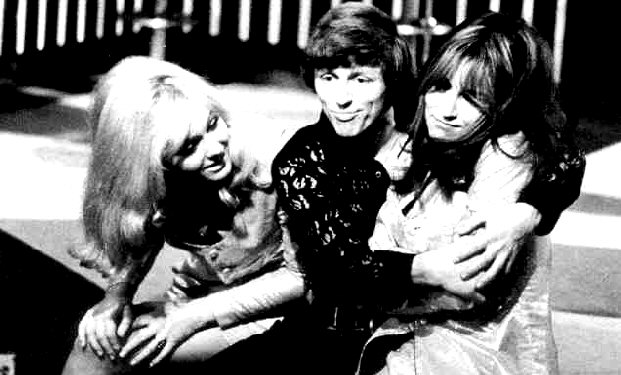
Autumn 68 was one of the most important periods in Marta's musical life in the 1960s. On 1 November 1968 Marta, Helena Vondrackova and Vaclav Neckar formed a vocal group called "Golden Kids". The threesome had been working together for a long time and this was only a confirmation that they wanted to take their cooperation more seriously. Vondrackova says today that they were a kind of ABBA long before ABBA time.
On November 4th, Marta began recording sessions for her first LP. The sessions were completed on December 17, 1968. Marta recorded 11 new songs including a new version of "Modlitba pro Martu" which was longer than the one recorded in August.
|
|
|
|
|
|
On November 25 Golden Kids performed for the first time as a group at Lucerna in front of big audience in the Supraphon Show 1968. They even released their first single "Dam Dam".
In November and December Golden Kids prepared with their first own show entitled "Music Box No. 1". The show had its premiere at Lucerna concert hall in Prague during Christmas 68.
Golden Kids - picture gallery
|
|
|
|
|
|
|
|
|
|
|
|
Songs for Rudolf III
|
|
|
|
|
|
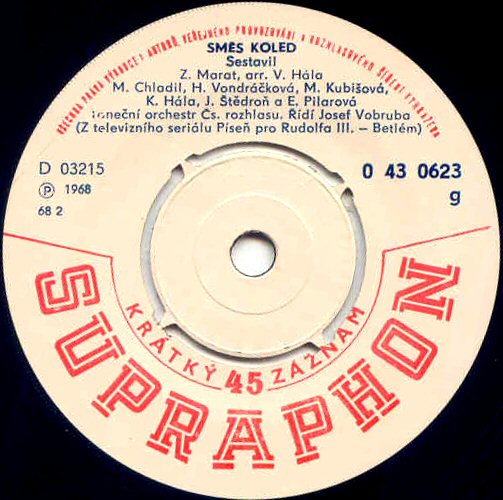
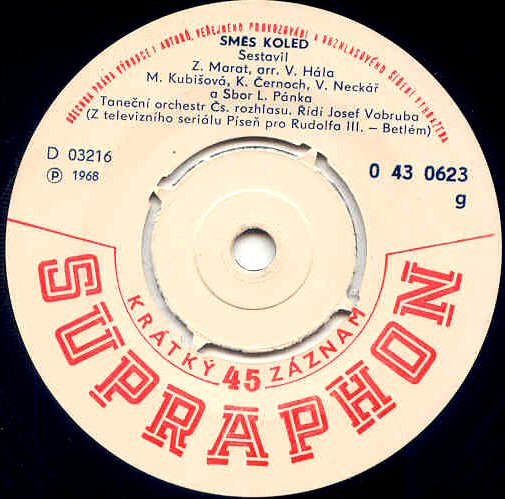
Before Christmas Marta recorded some Christmas carols for the TV show "Songs for Rudolf III". Two Christmas medleys featuring Marta, Helena Vondrackova, Vaclav Neckara and Eva Pilarova were released on the single at the end of 1968.
|
|
|
|
|
|
Golden Nightingale 1968
Marta won the Golden Nightingale prize in 1968 as the best female singer in Czechoslovakia.

Gramohit
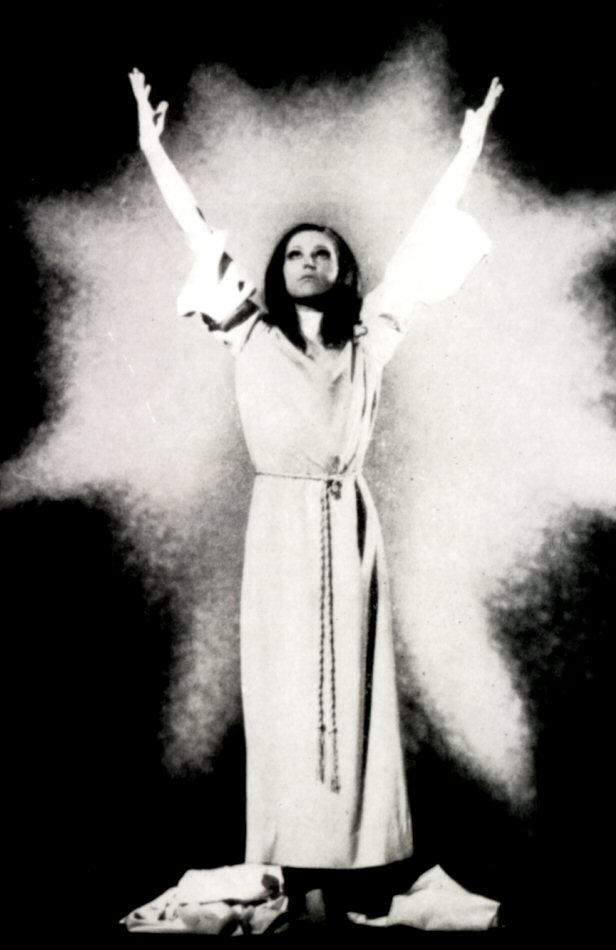
On 1 January 1969 Marta was one of the stars in the TV special "Gramohit" which presented the biggest hits of the years 1967 and 1968. Marta performed "Modlitba" (The Prayer) which was a smash hit in Czechoslovakia in 1968.
 |
Cervanki - the single
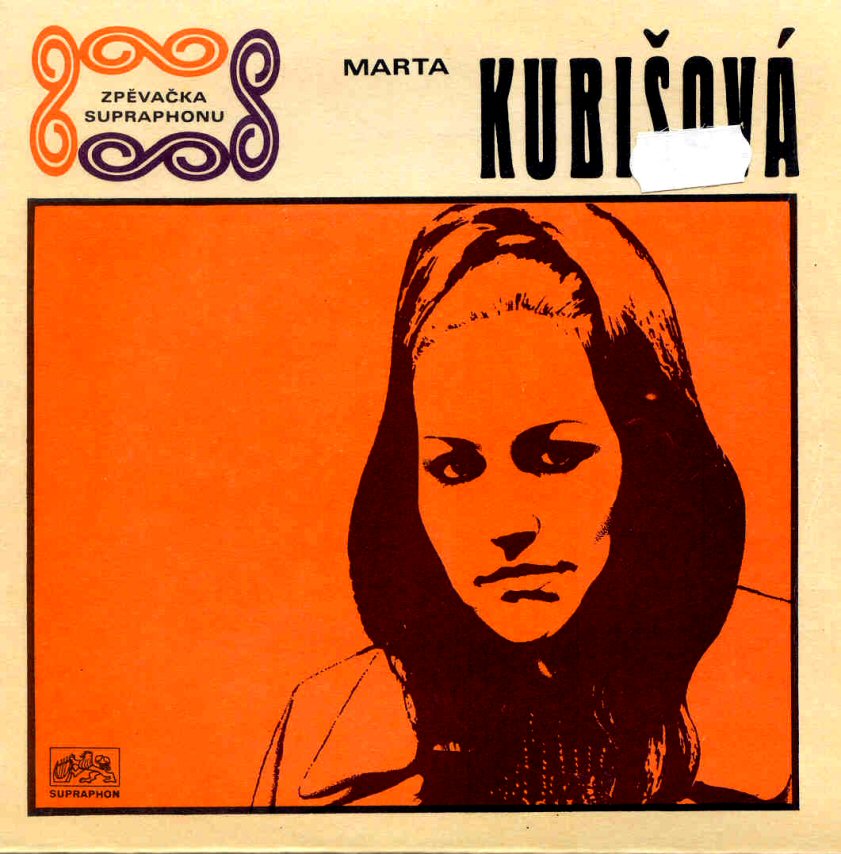
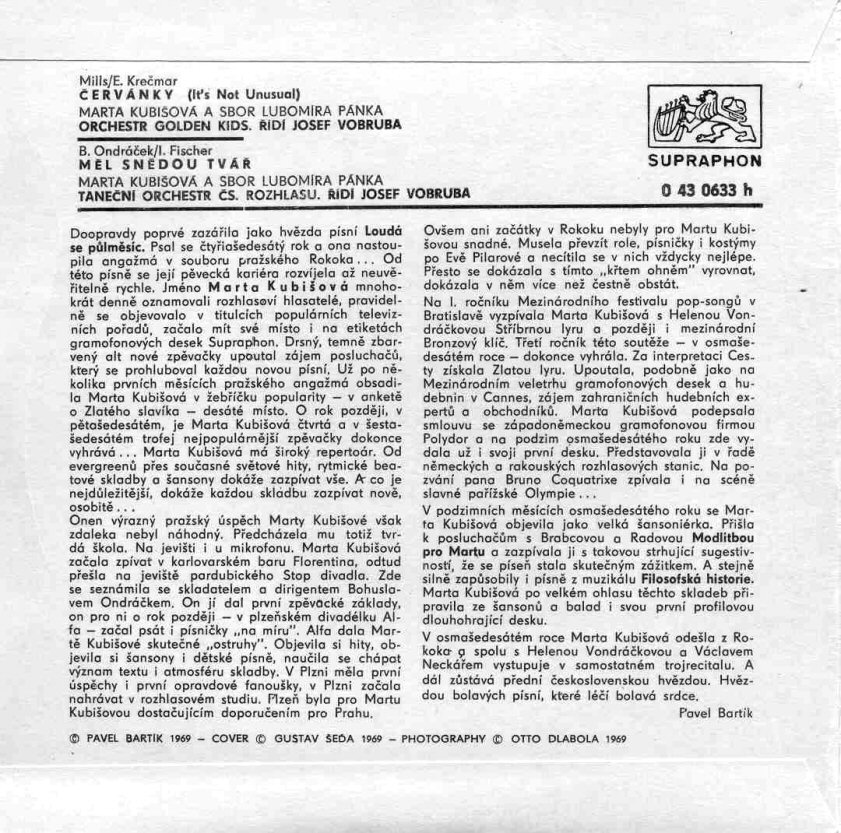
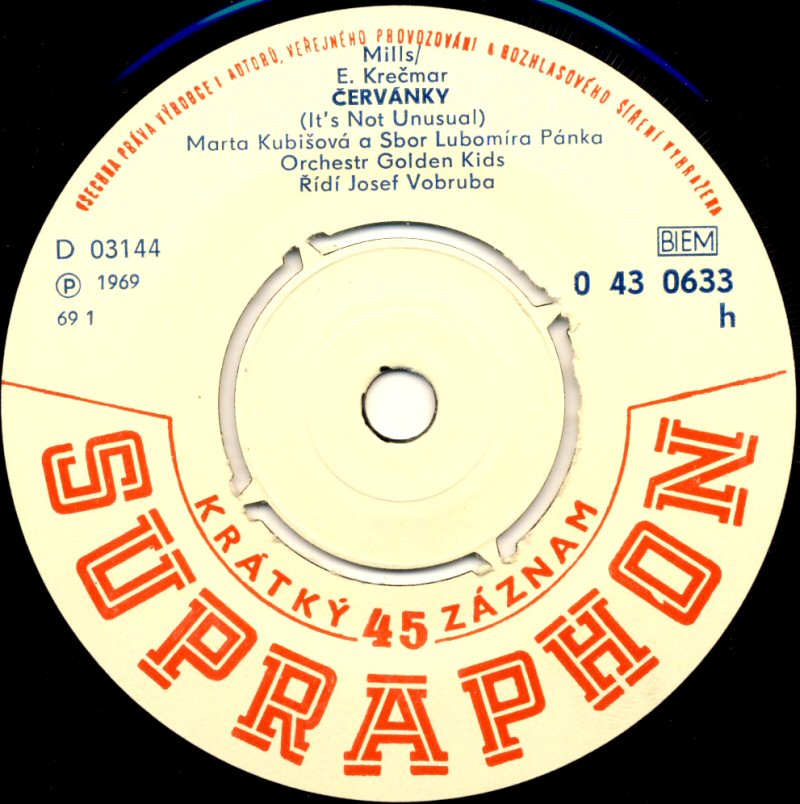
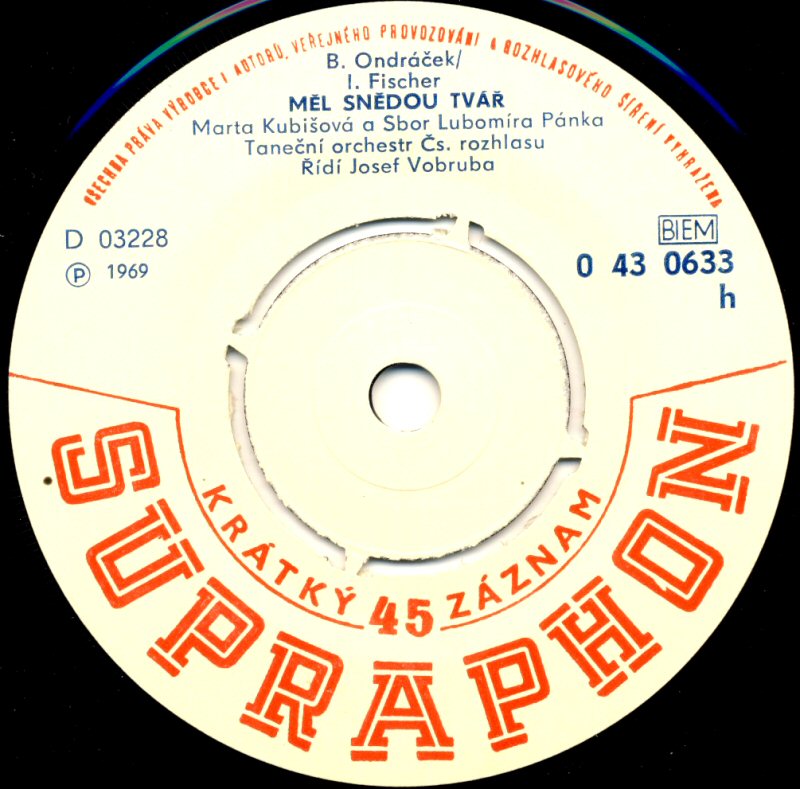
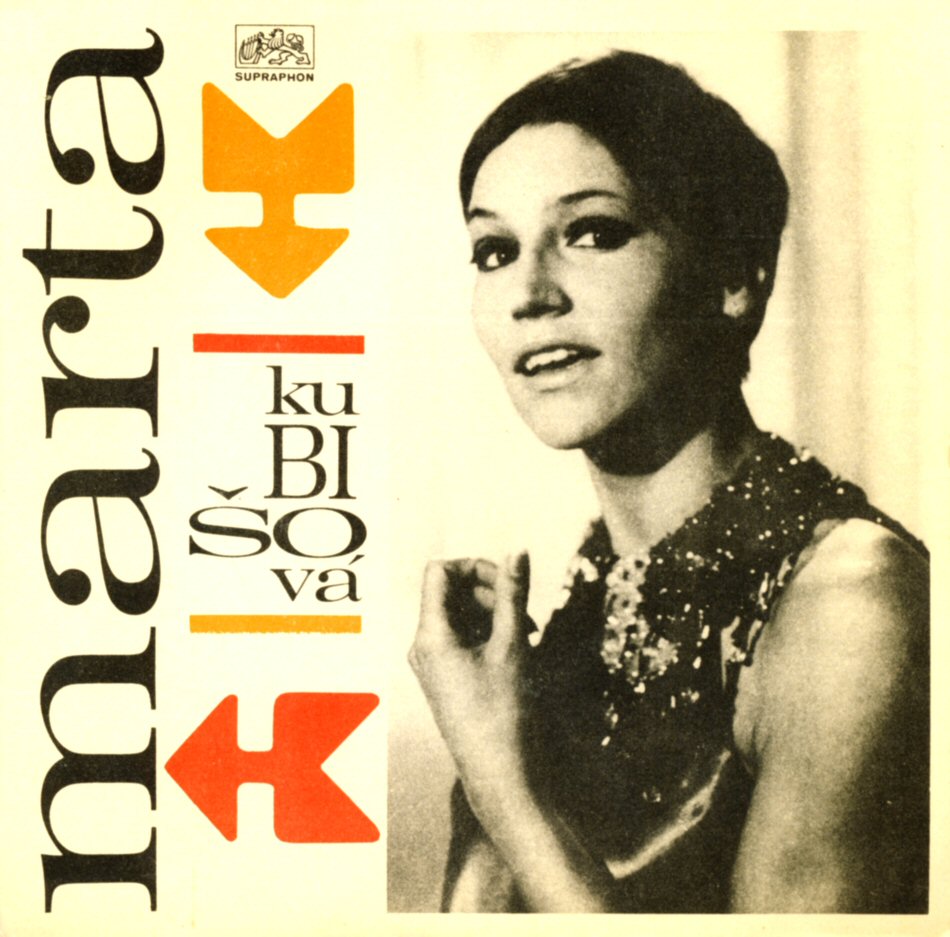
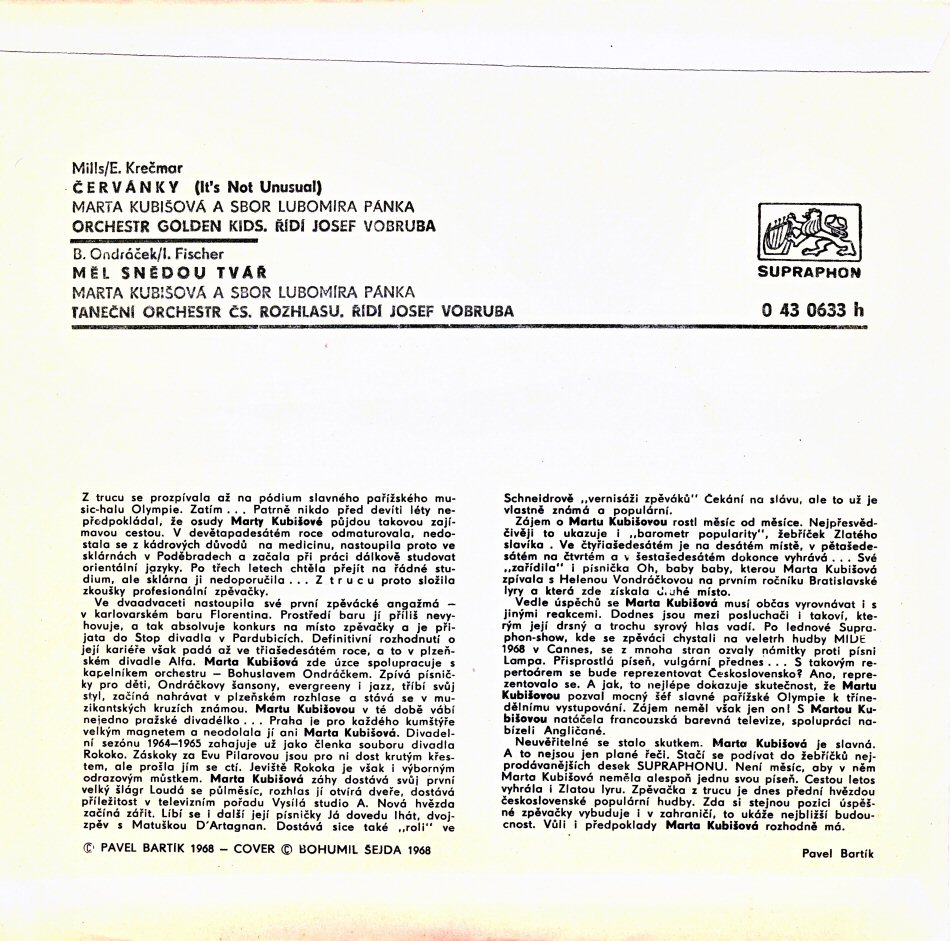
Marta performed as a member of the group Golden Kids but it did not mean that she gave up her solo career. A new hit single released at the beginning of 1969 featured the song "Cervanki" (Red Sky) b/w "Mel snedou tvar" (He had a brown face). The first song was recorded in December 1968 and the latter in November 1968. The single was released featured two different covers.
|
|
|
|
|
|
 |
 |
Midem - Cannes

In January 1969 Golden Kids were back on stage at Lucerna enjoying great success. On January 18th, 1969 the group represented Czechoslovakia on the MIDEM fair in Cannes. They performed their Music Box No. 1 show featuring Marta singing two songs in German.
In February Marta received the Golden Nightingale prize as the best female singer of the year (1968) in Czechoslovakia and "Modlitba pro Martu" became the second best song of the year after Karel Gott's big hit "Lady Carneval".
|
|
|
|
|
On March 3rd, 1969 Golden Kids presented their new show "Micro Magic Circus" at the Karlin theatre in Prague.
|
|
|
|
|
Changeless face
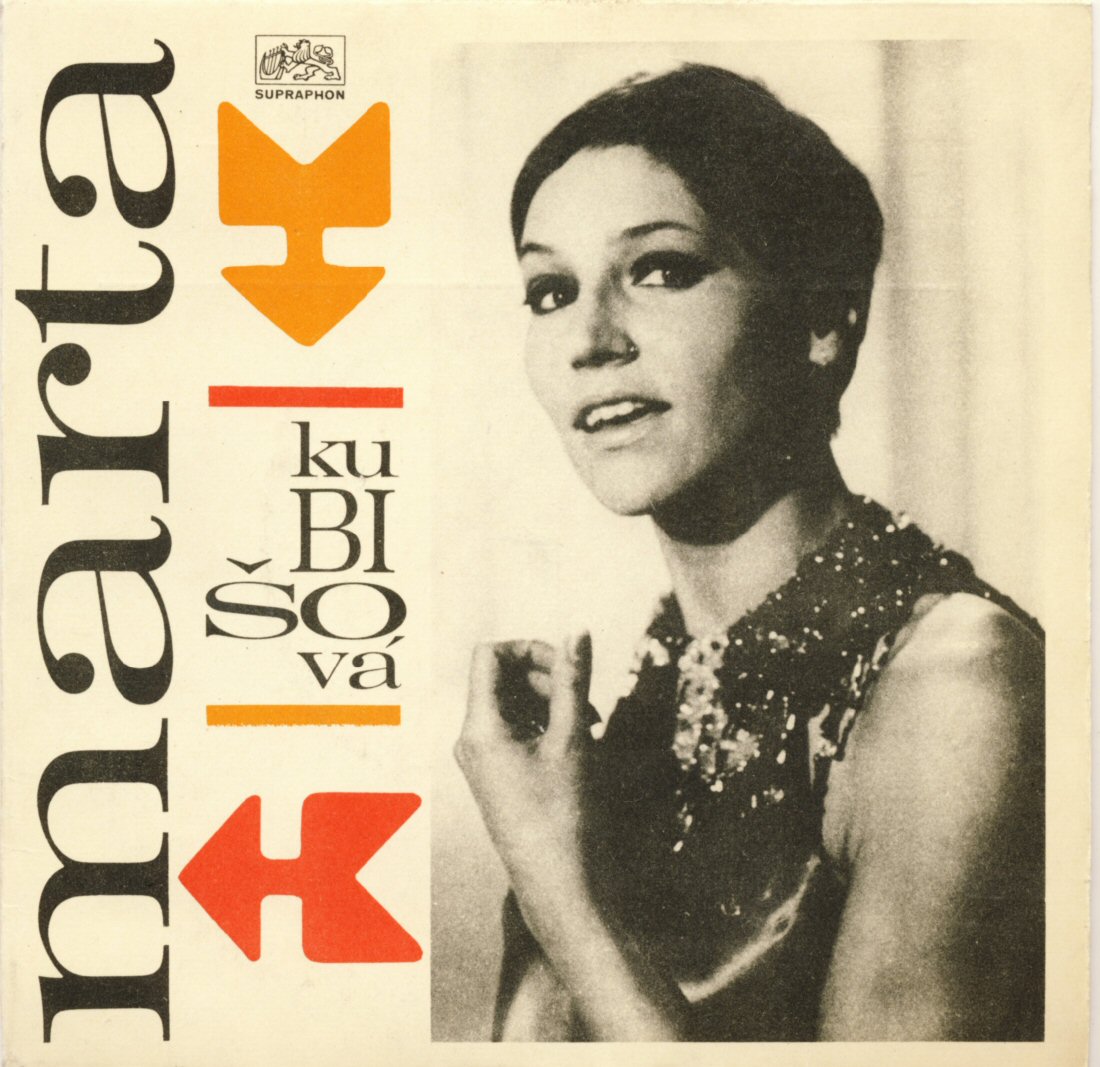
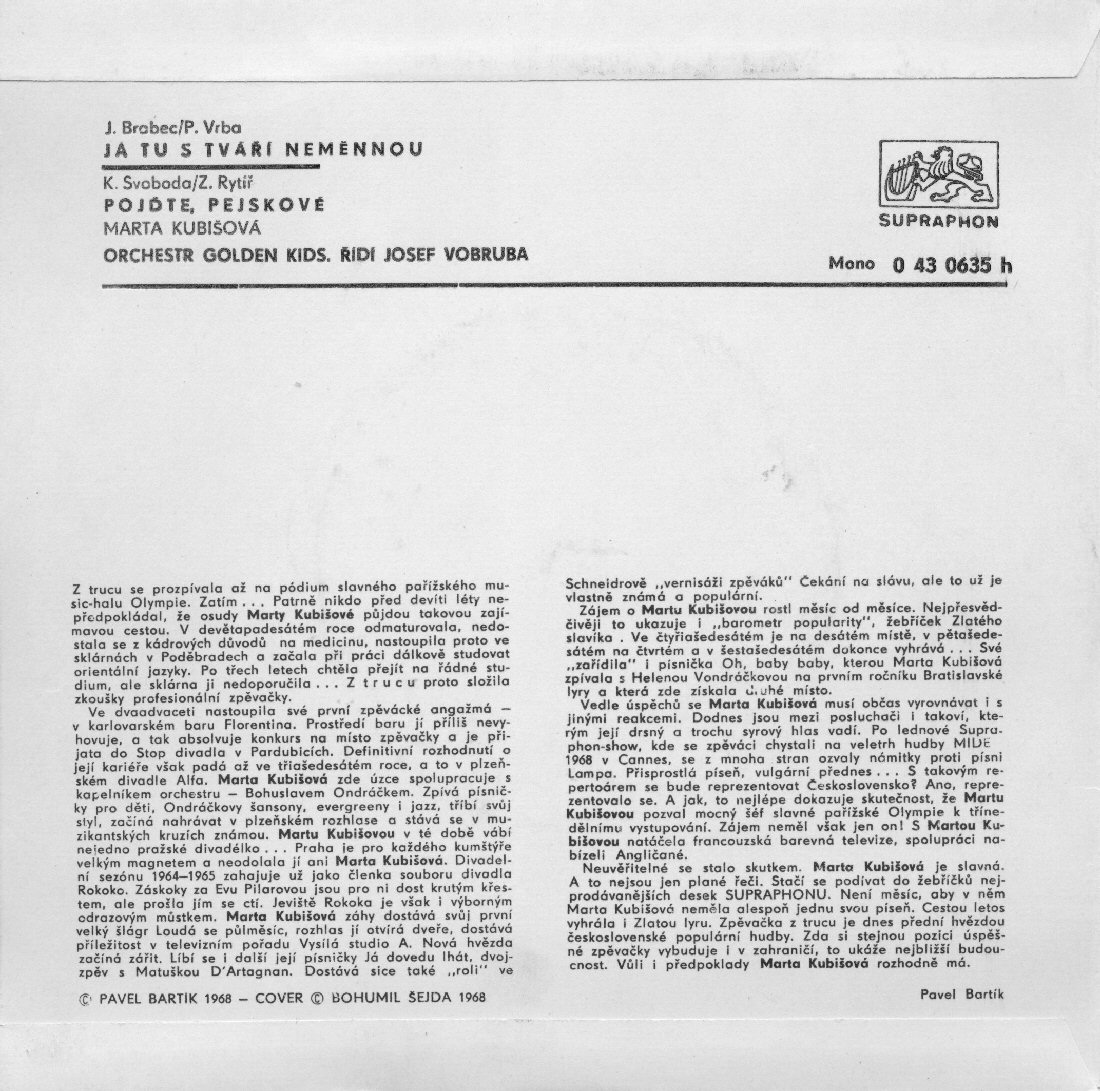
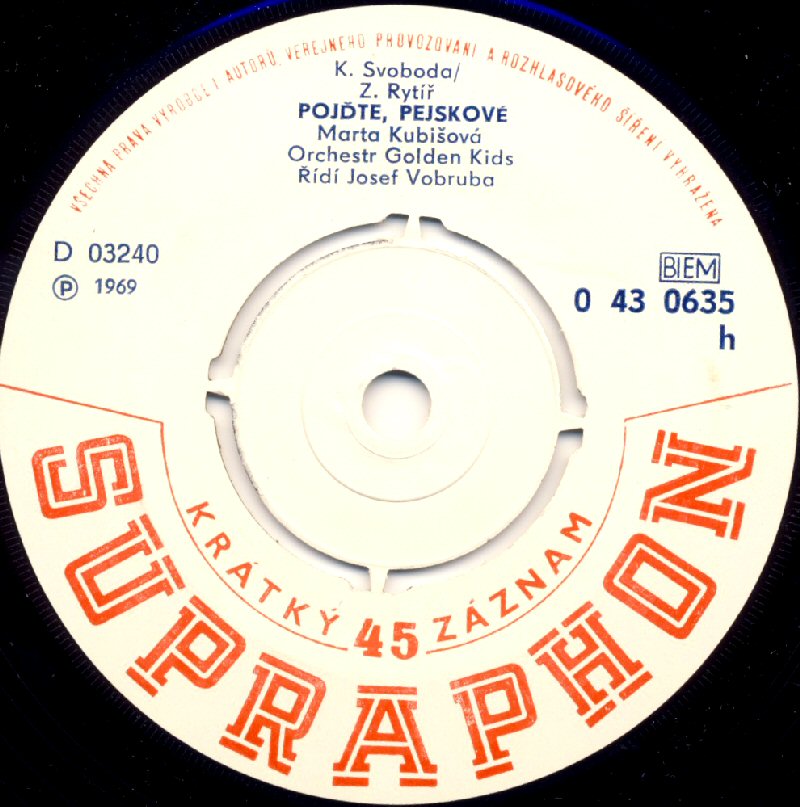
New single released at the beginning of the year 1969 featured two songs recorded at the beginning of November 1968. The track on side A was entitled "Ja tu s tvari nemennou" (I am here with changeless face) and the track on the side B "Pojdte pejskove" (Come on dogs).
|
|
|
|
|
|
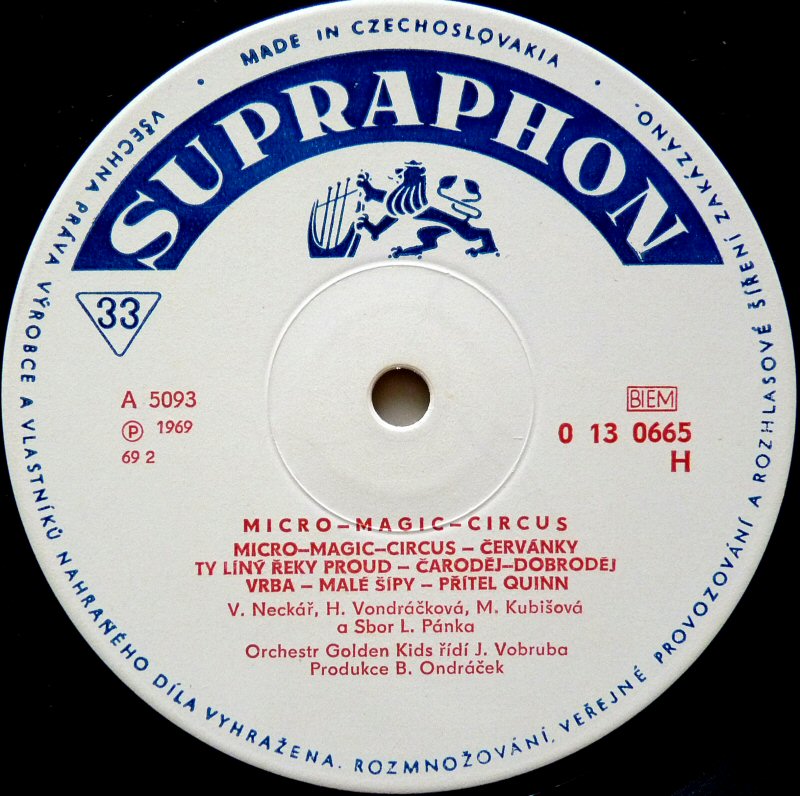
Micro Magic Circus - the album
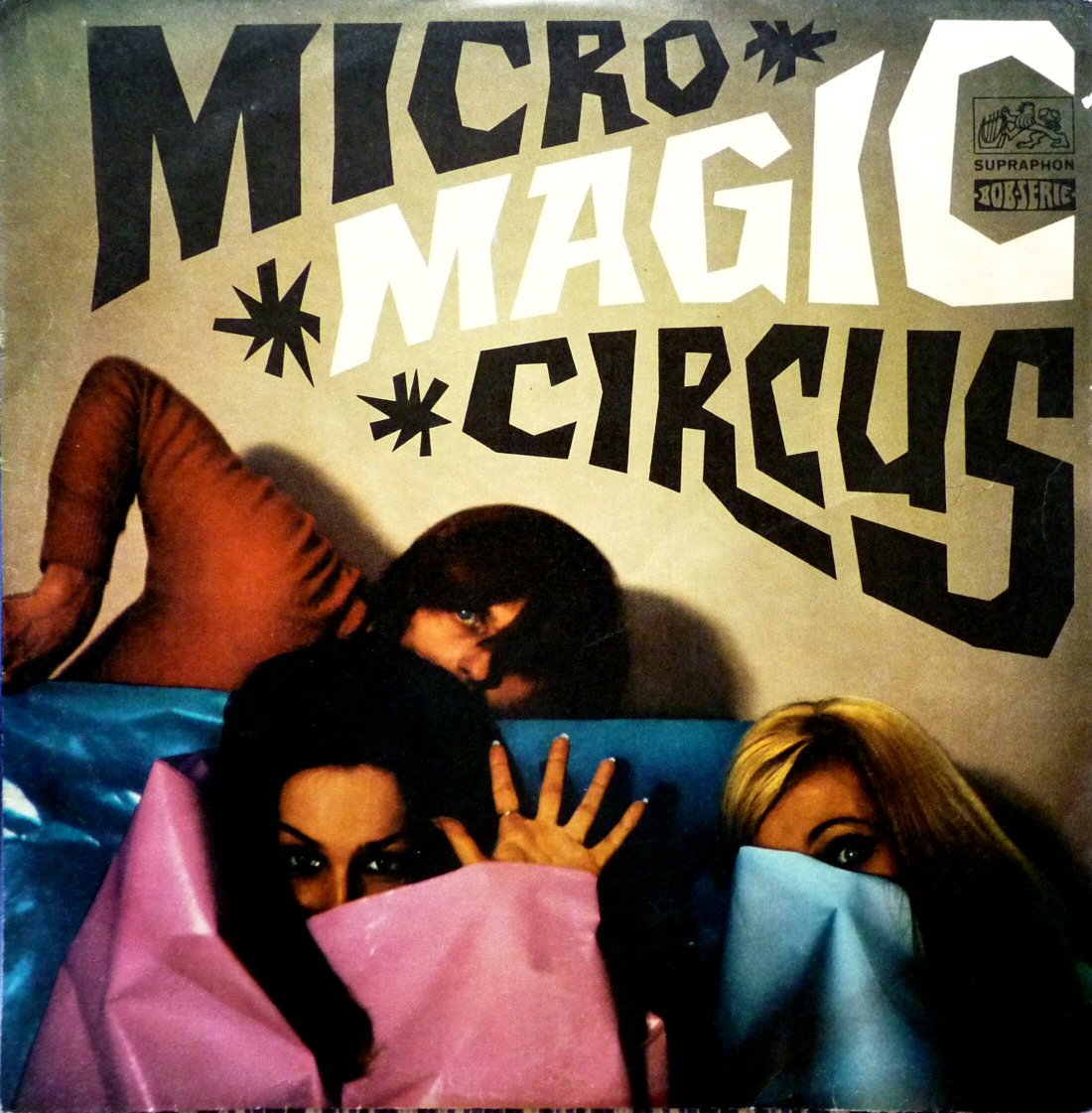
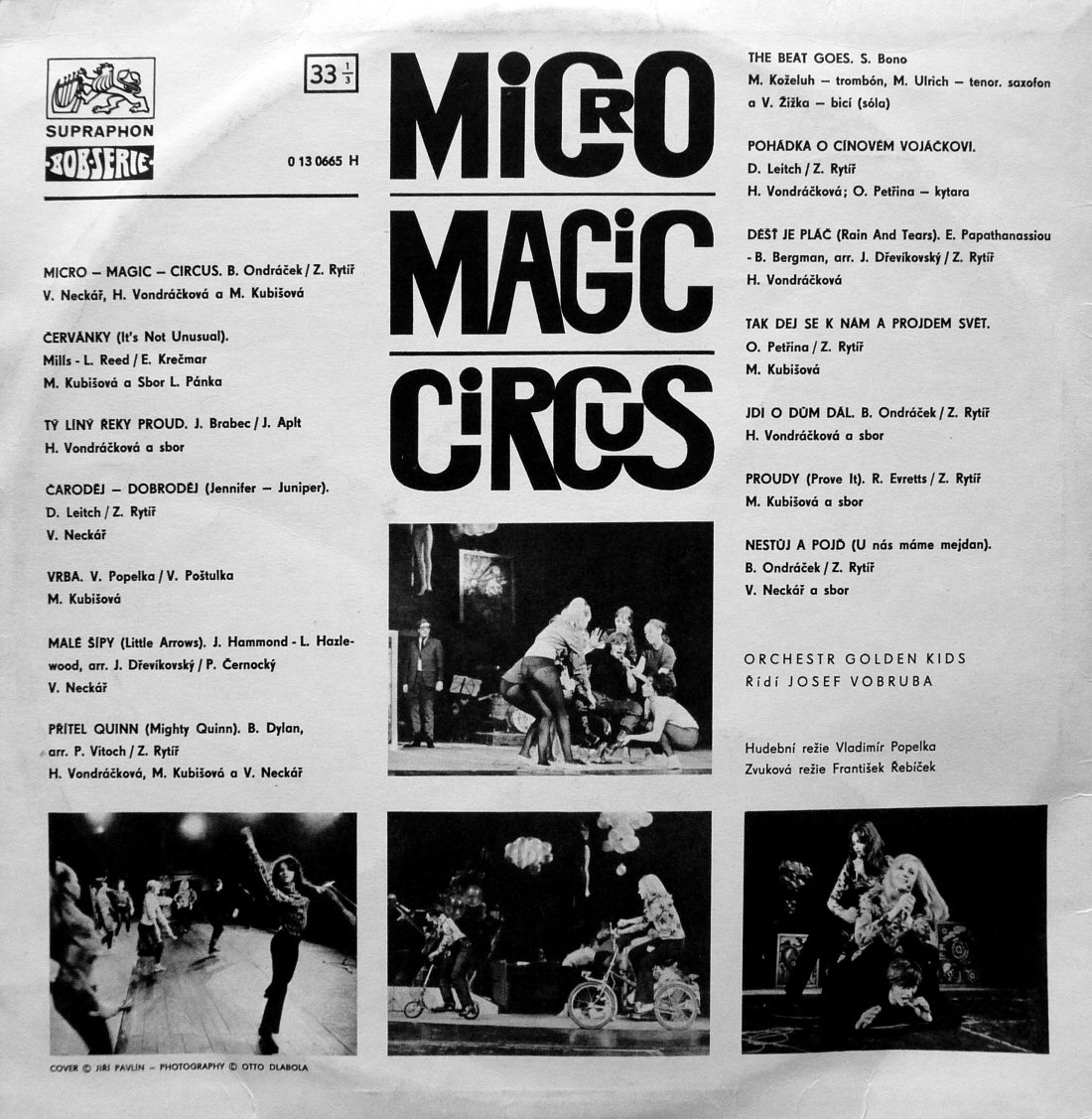
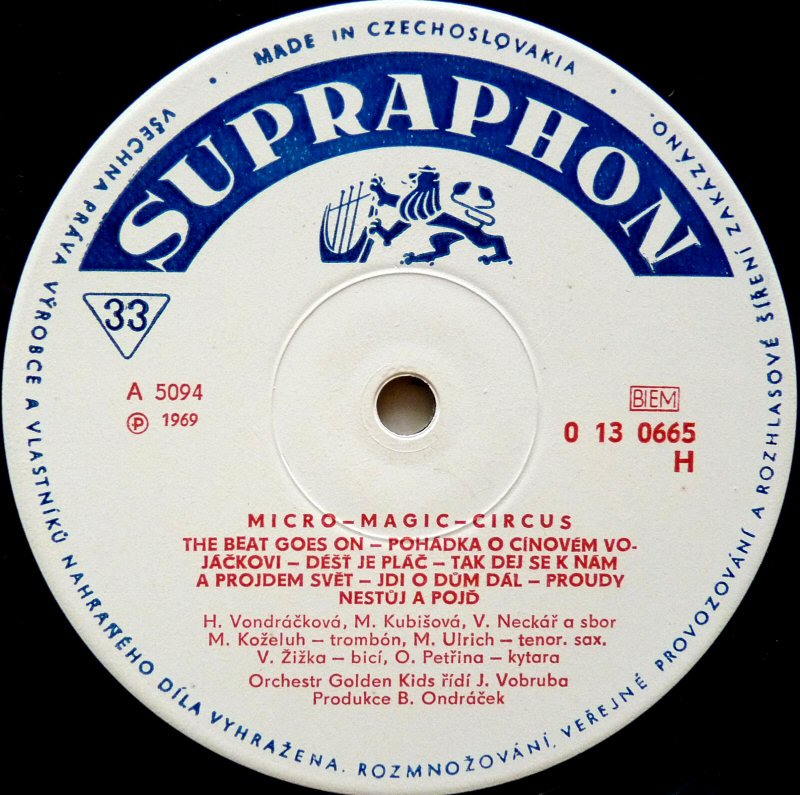
The first Golden Kids album was entitled "Micro Magic Circus" and it saw its release in 1969. The album contained 14 songs performed by Helena, Marta and Vaclav. Marta had lead vocal on 4 songs. The album became very successful in Czechoslovakia and the group went out for international promotion.
 |
 |
 |
 |
Tajga blues'69 - the single
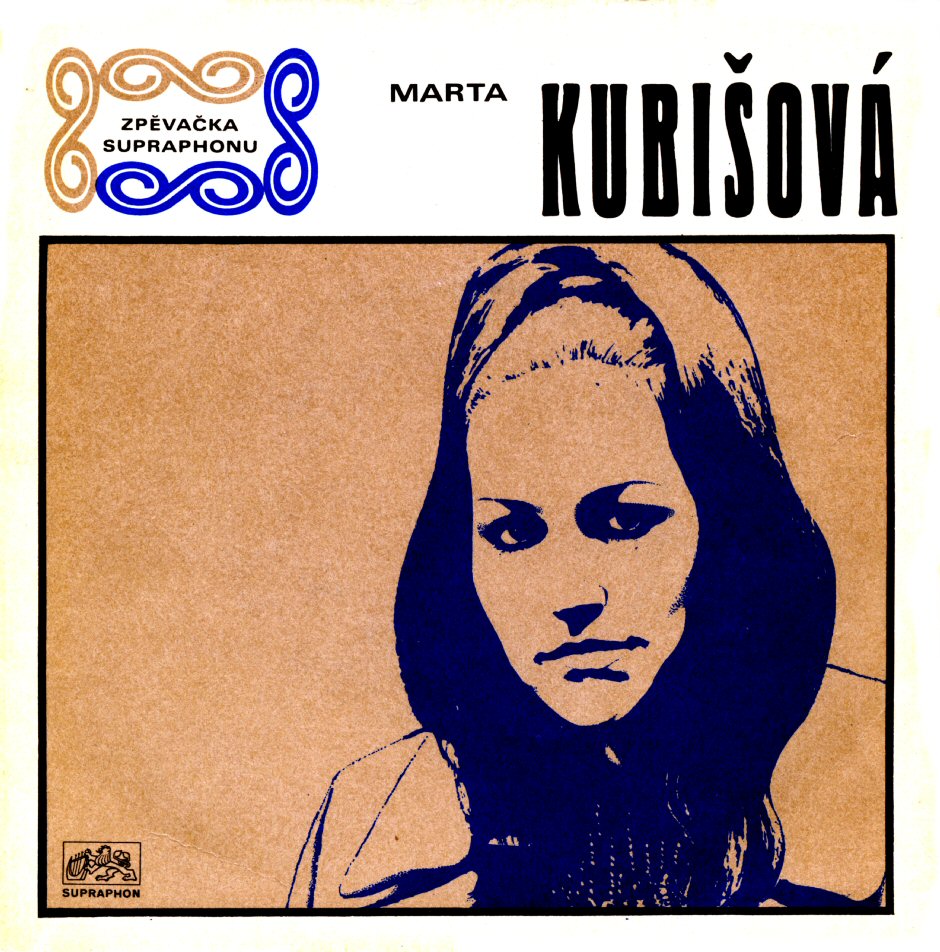
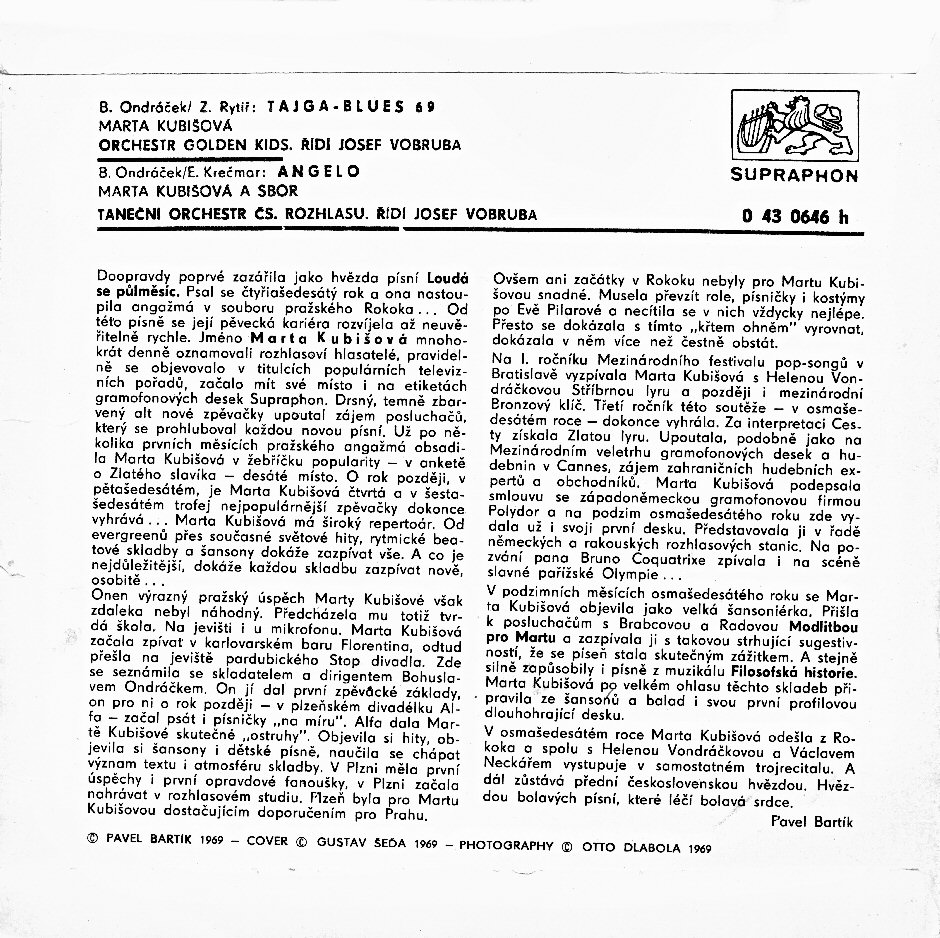
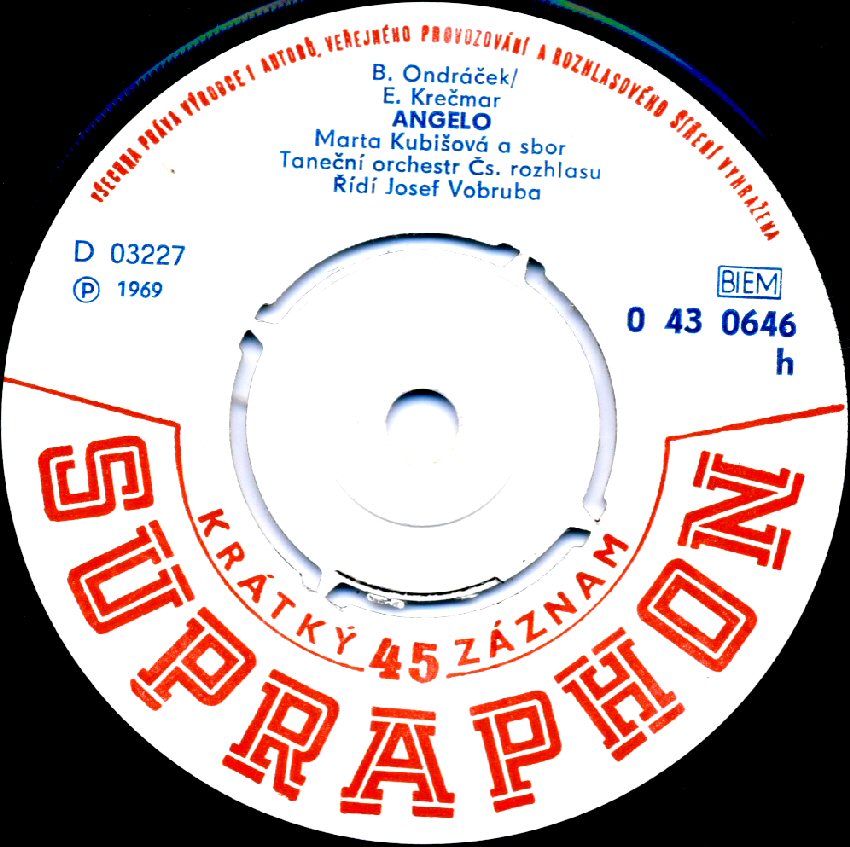
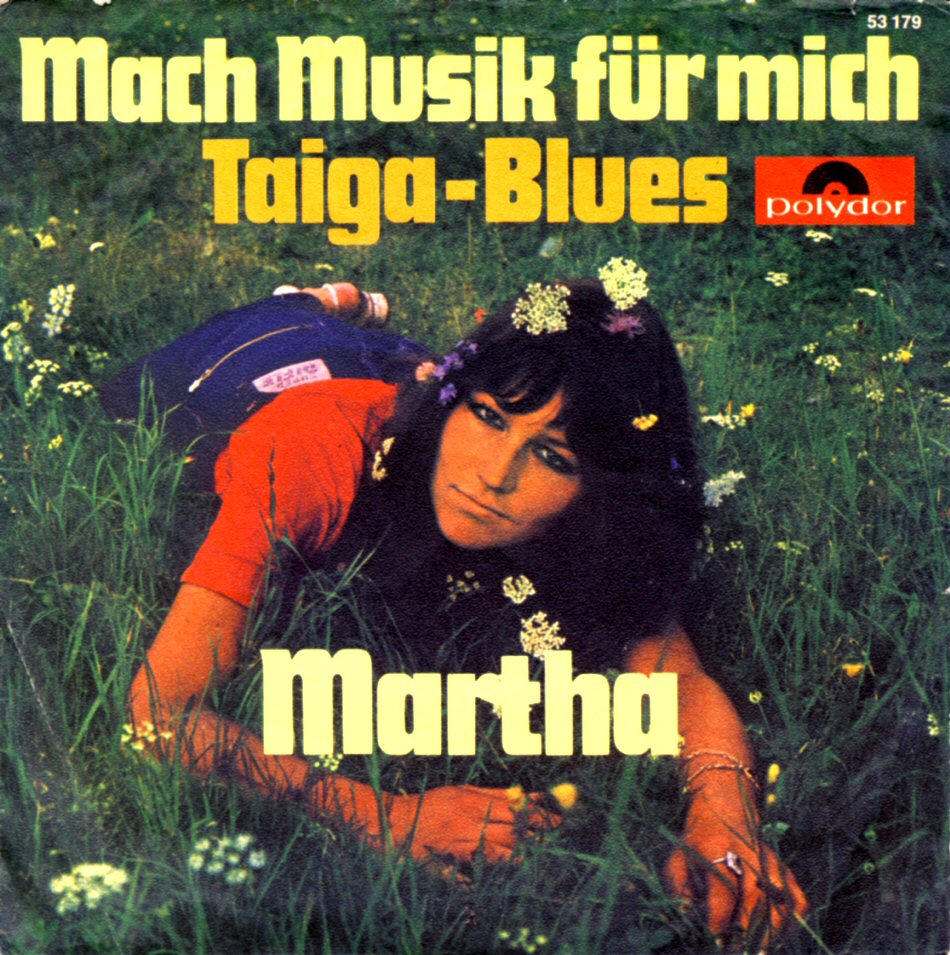
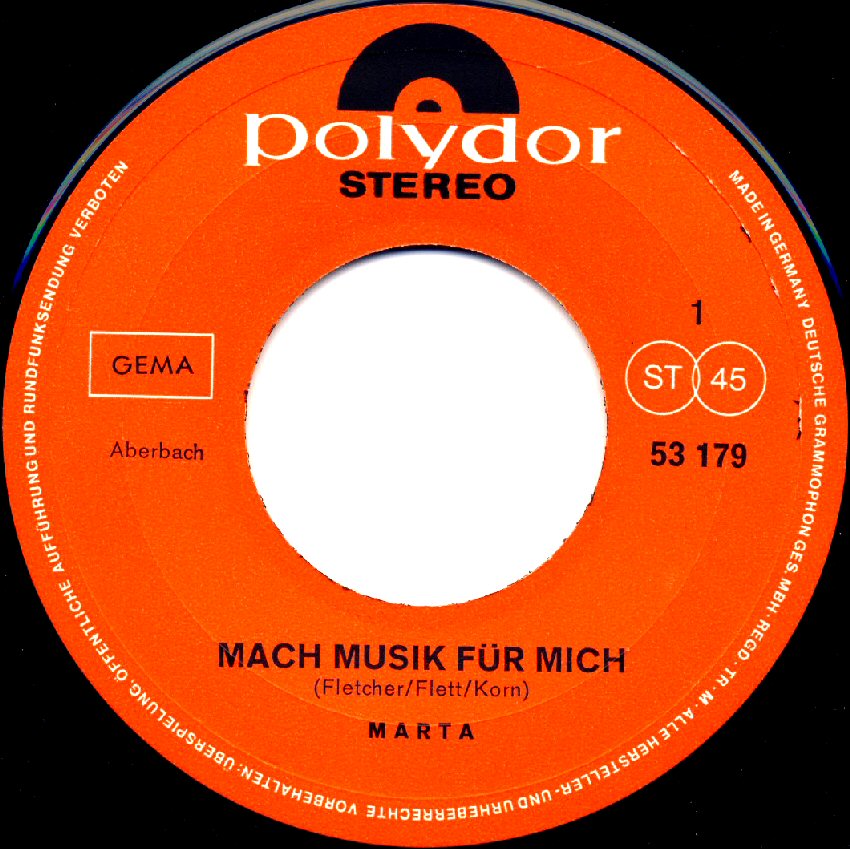
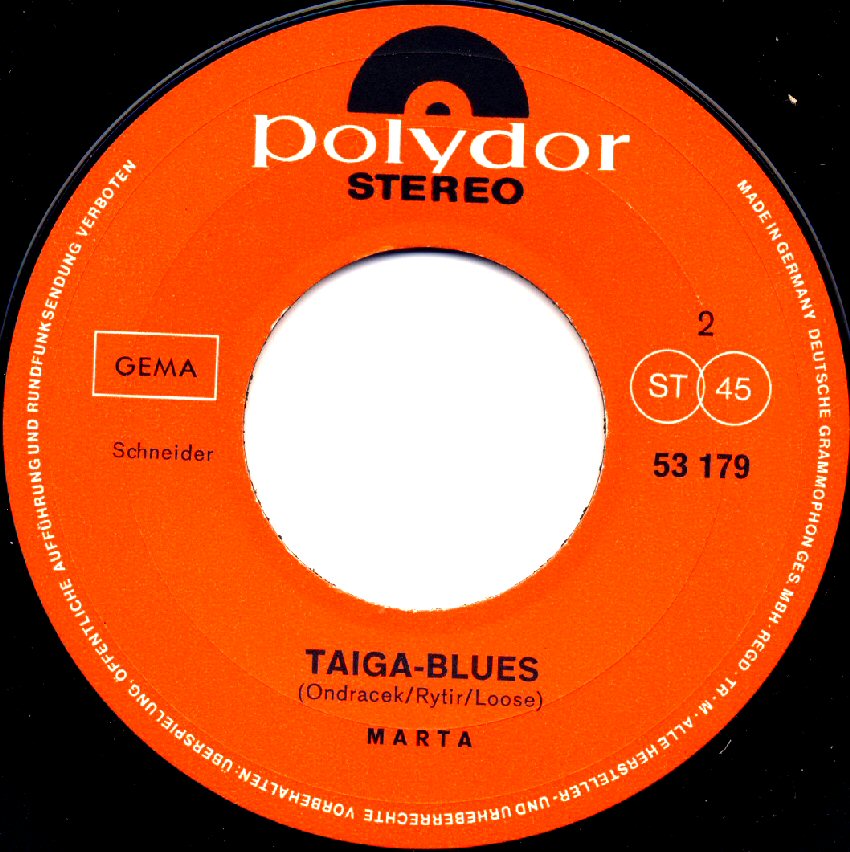
One of the most important songs in Marta's career is definitely "Tajga blues'69". The song had a clear connection to the Sovjet invasion of Czechoslovakia in August 1968. The song was recorded in January 1969 and released as a single in the spring the same year with the composition "Angelo" on the side B. "Tajga blues'69" became big hit in Marta's homeland and it was re-recorded in German language in 1970 and released in West Germany. It would remain the last Marta single release in West Germany.
 |
 |
 |
 |
Golden Kids in West Germany
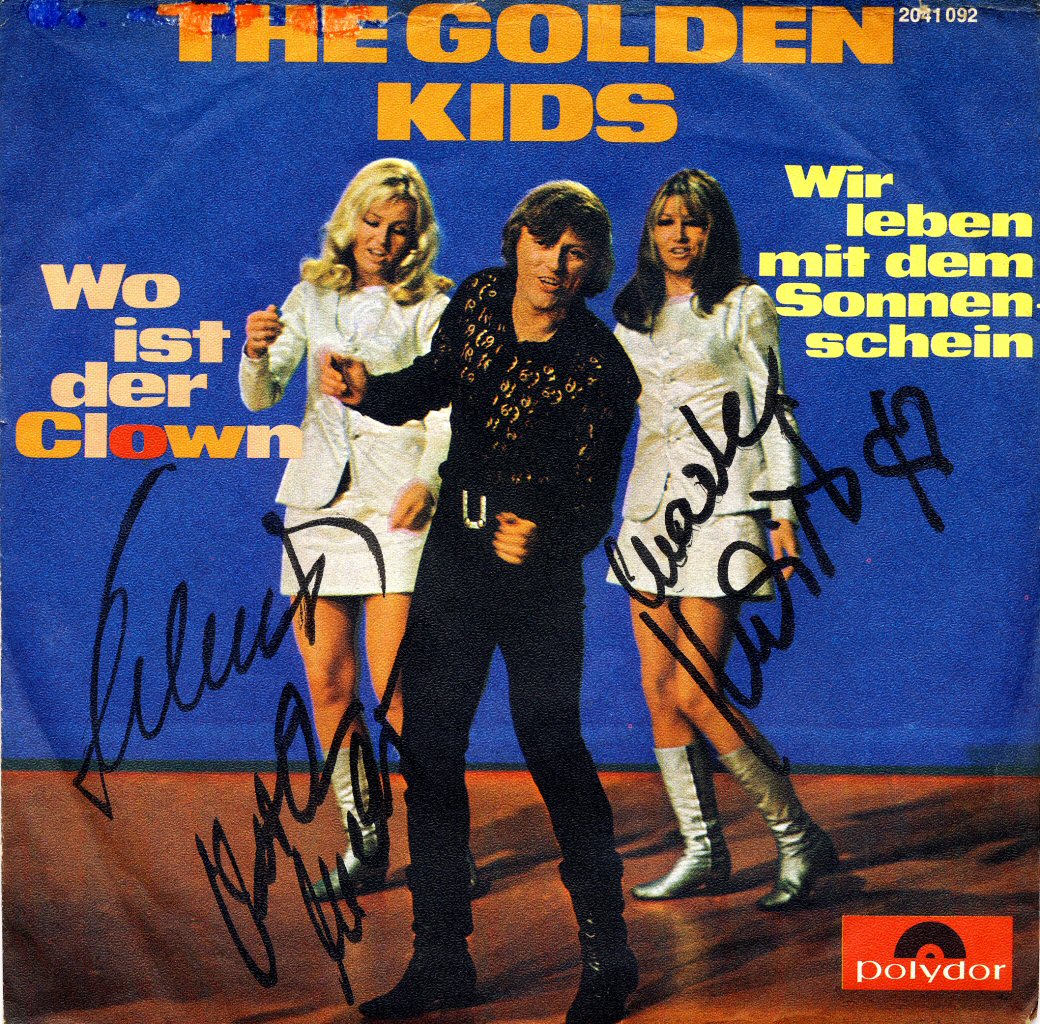
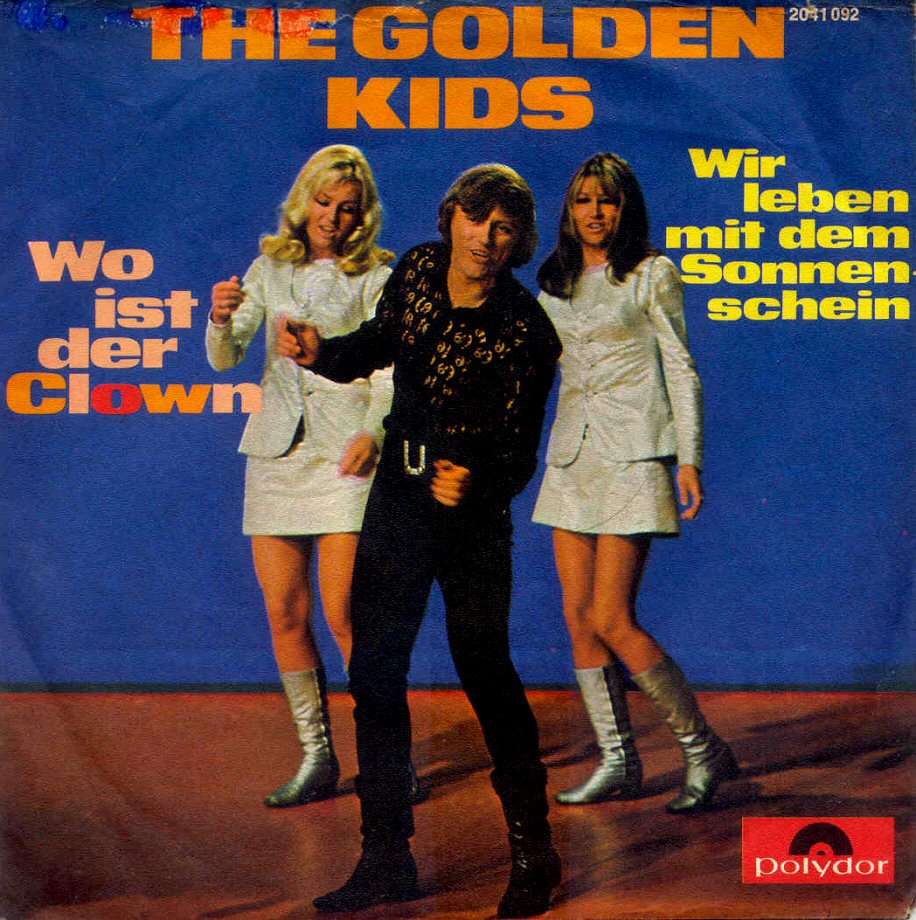
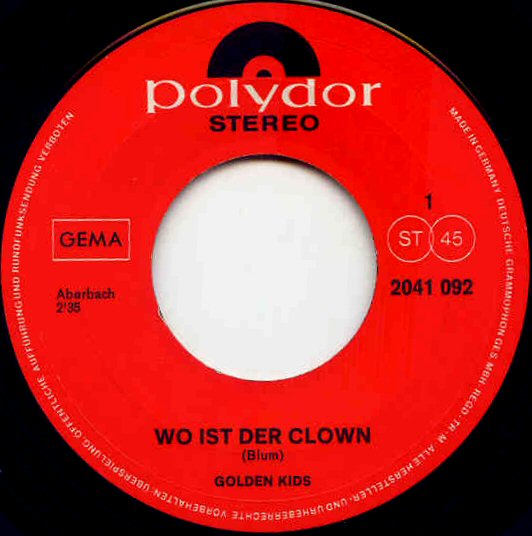
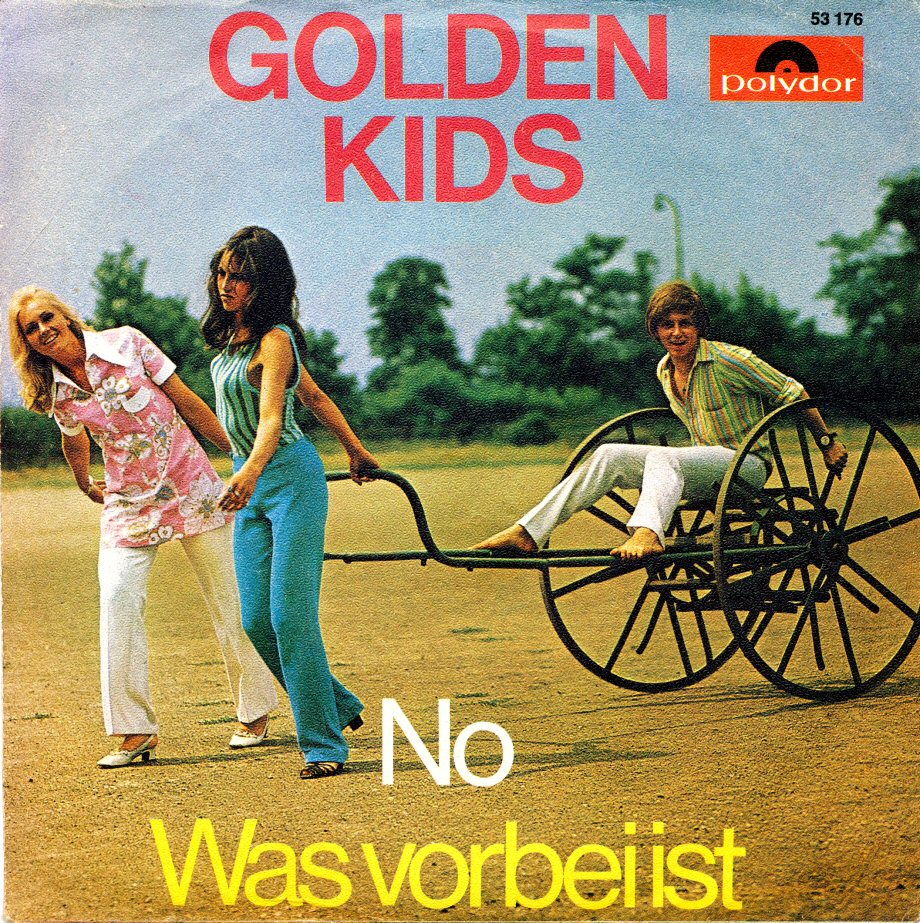
Due to the huge success of Golden Kids in France and West Germany the group appeared on TV Baden Baden and released two singles (Polydor).
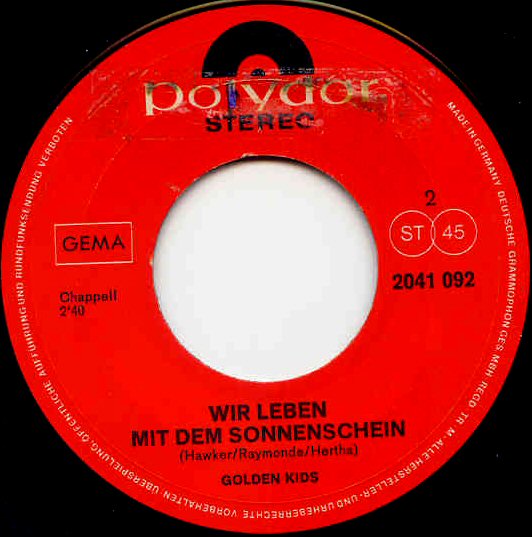
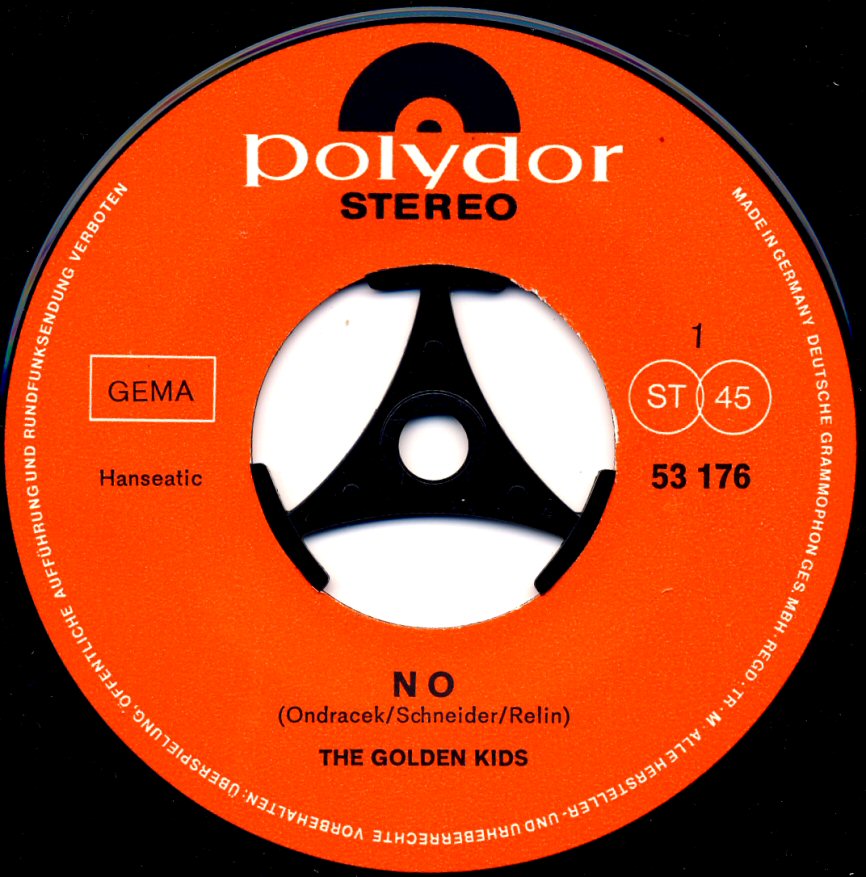
The first single contained "Wo ist der Clown" and "Wir leben mit dem Sonnenschein". The latter was a cover of "I Only wanna be with You" covered previously in Czech by Helena Vondrackova. On the second single there were two songs: "No" and "Was vorbei ist".
In June Golden Kids participated in a festival "Singing Europe 69" in Scheveningen in Holland.
|
|
|
|
|
|
|
|
|
|
|
|
The first LP
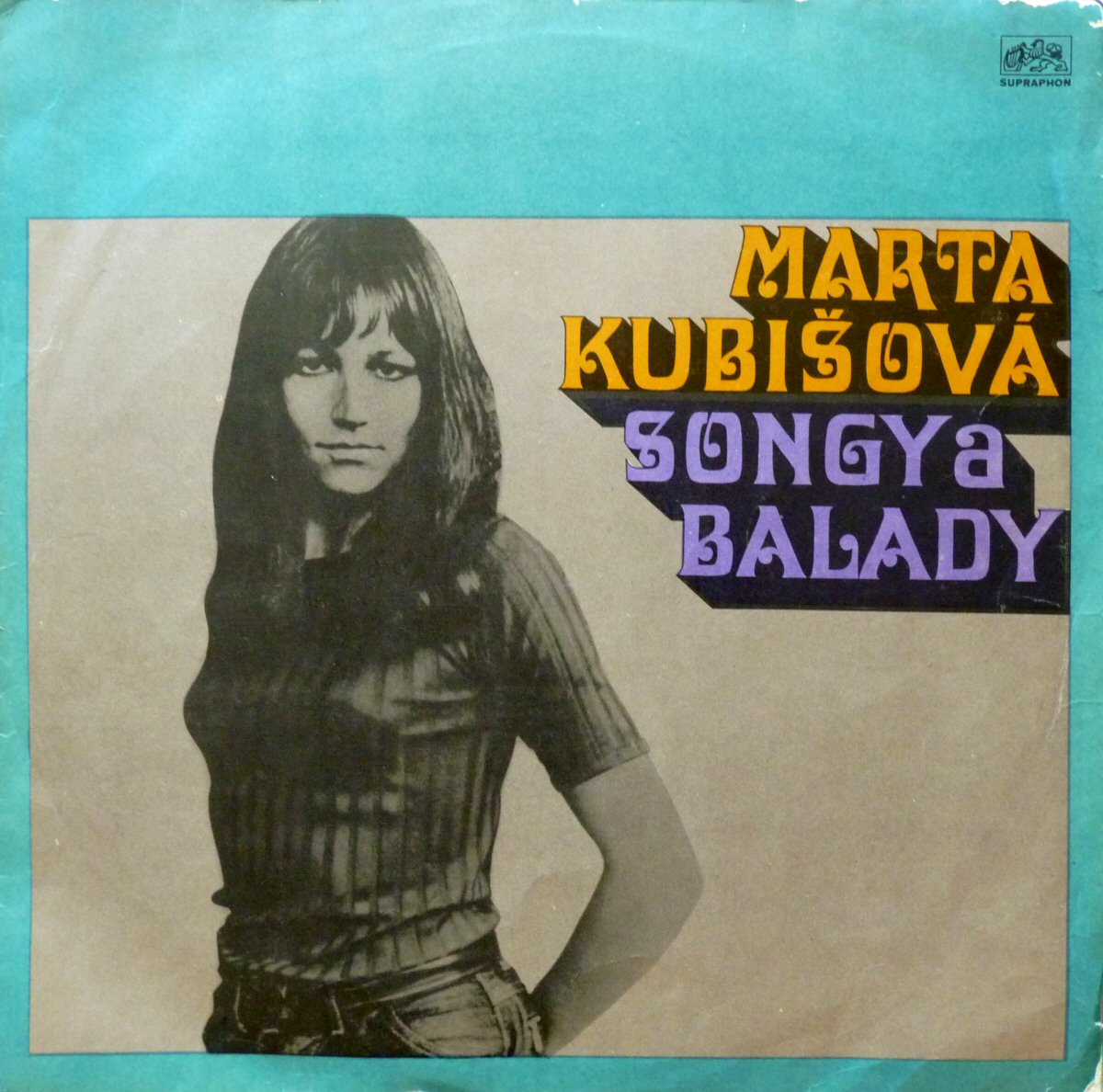
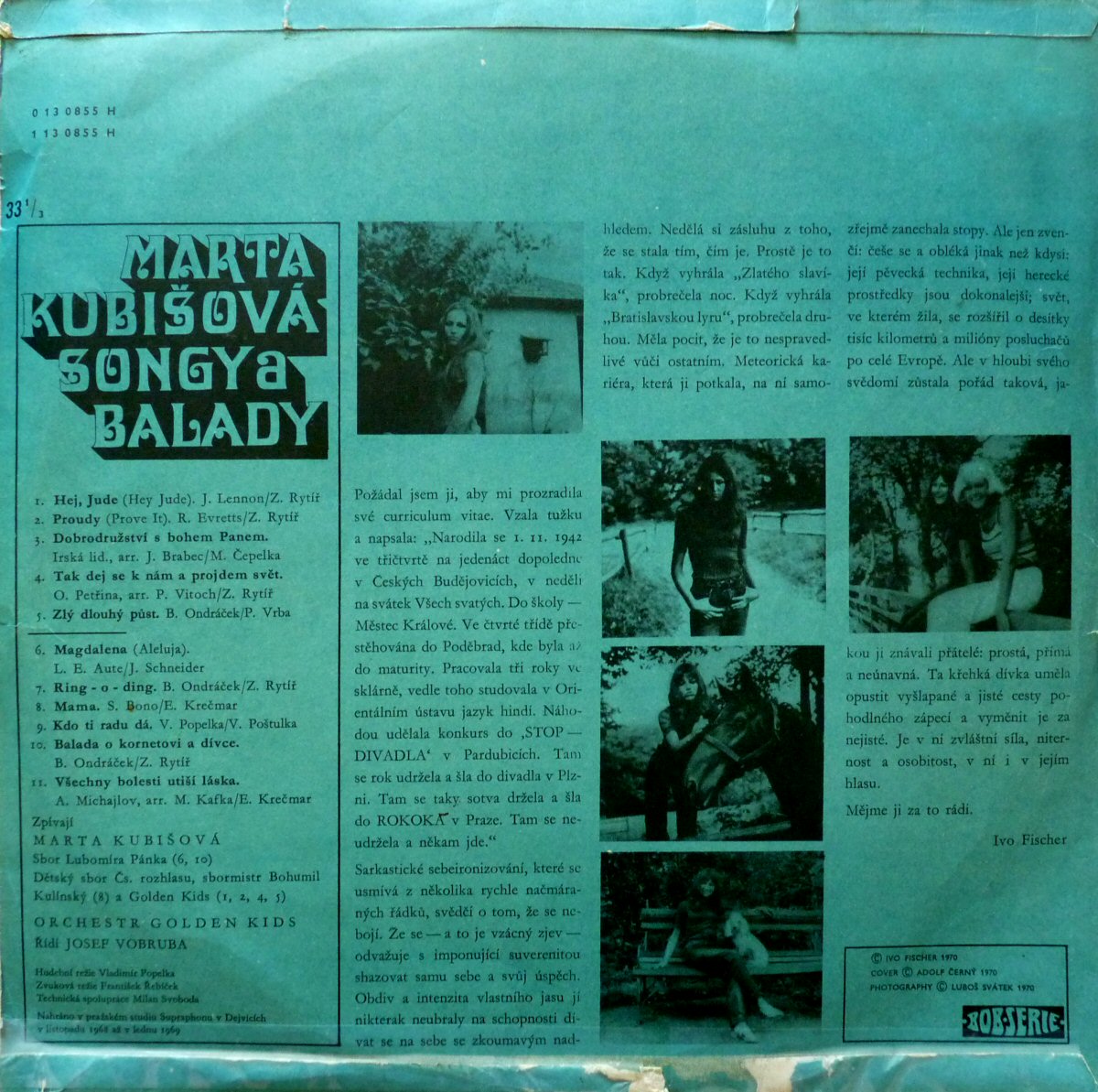
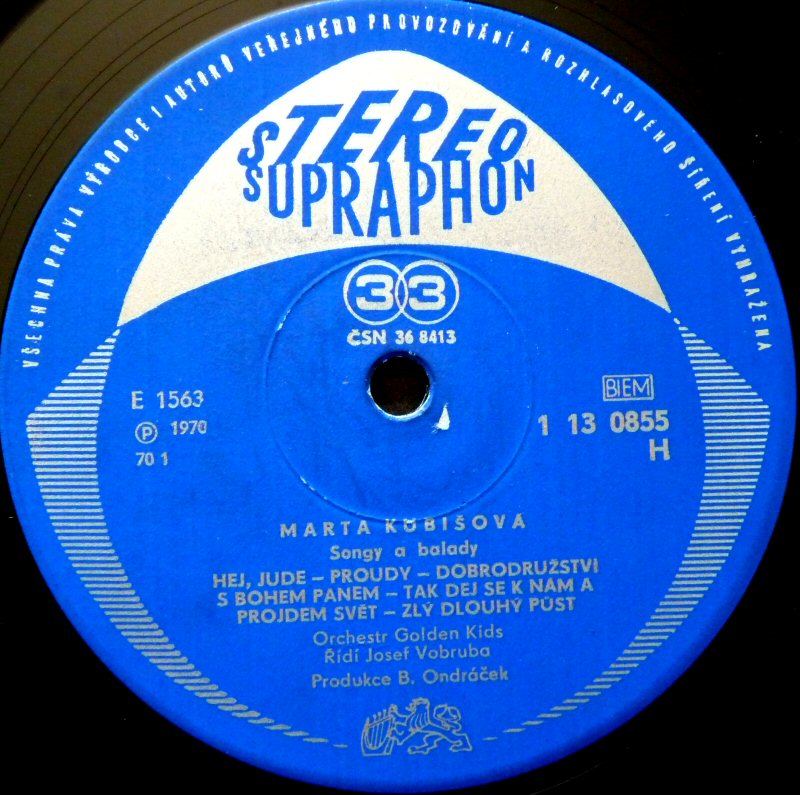
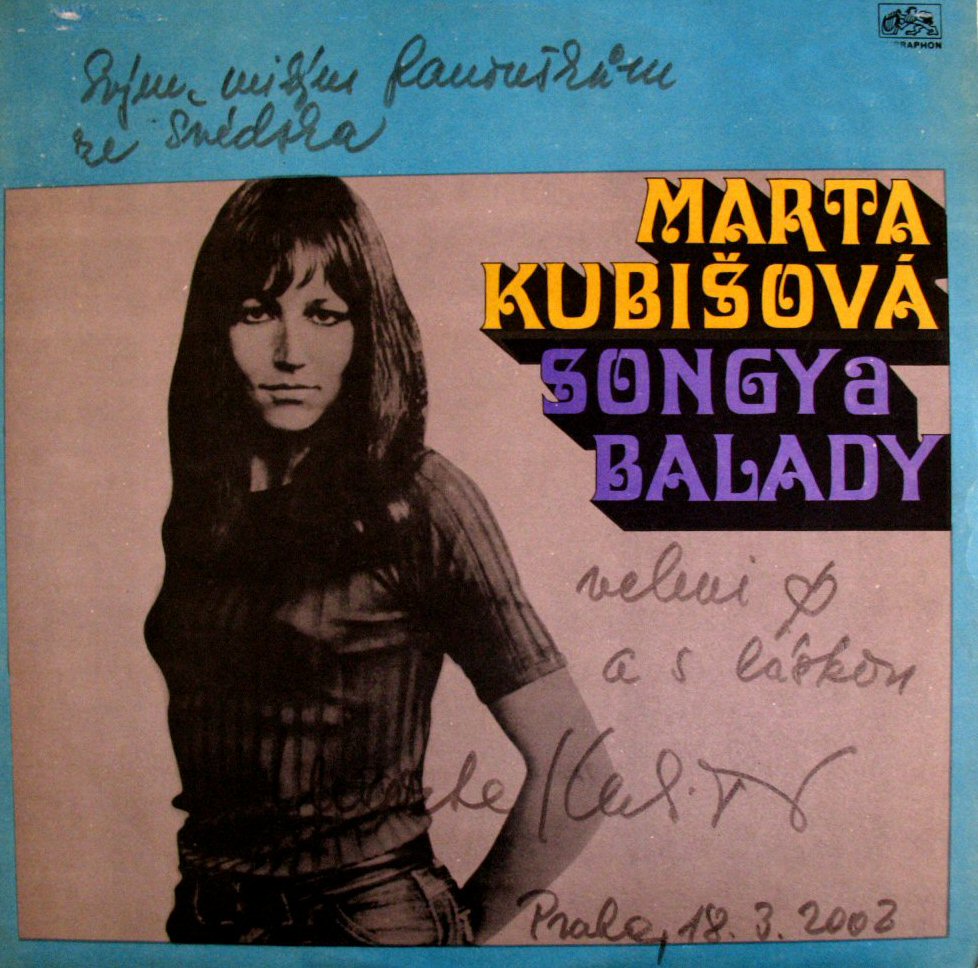
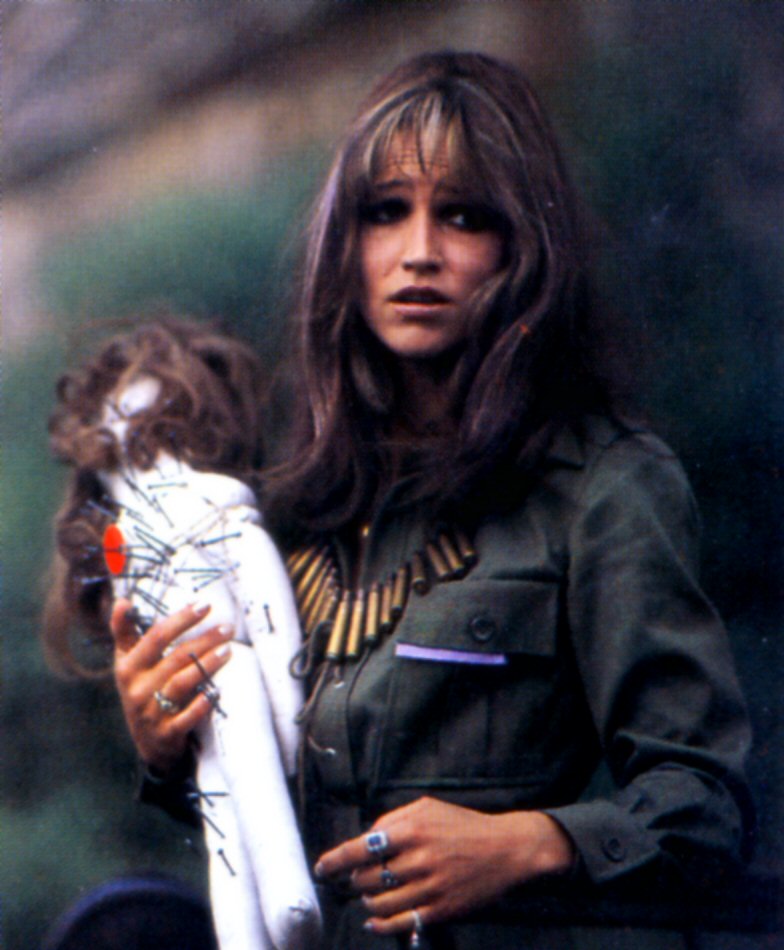
In June it was finally time for releasing Marta's debut album "Songy a balady" (The songs and the ballads) after 7 years in music business. It was the only LP release in the 1960s even if Marta had recorded over 200 songs during that period. The picture sessions for the cover were taken in Helena Vondrackova's hometown of Slatiniany where Marta and Helena spent their holidays at the beginning of August 68.
On the pictures below the 1970-censored re-release of the album with changed track-listing.
|
|
|
|
|
|
 |
Ring-o-Ding
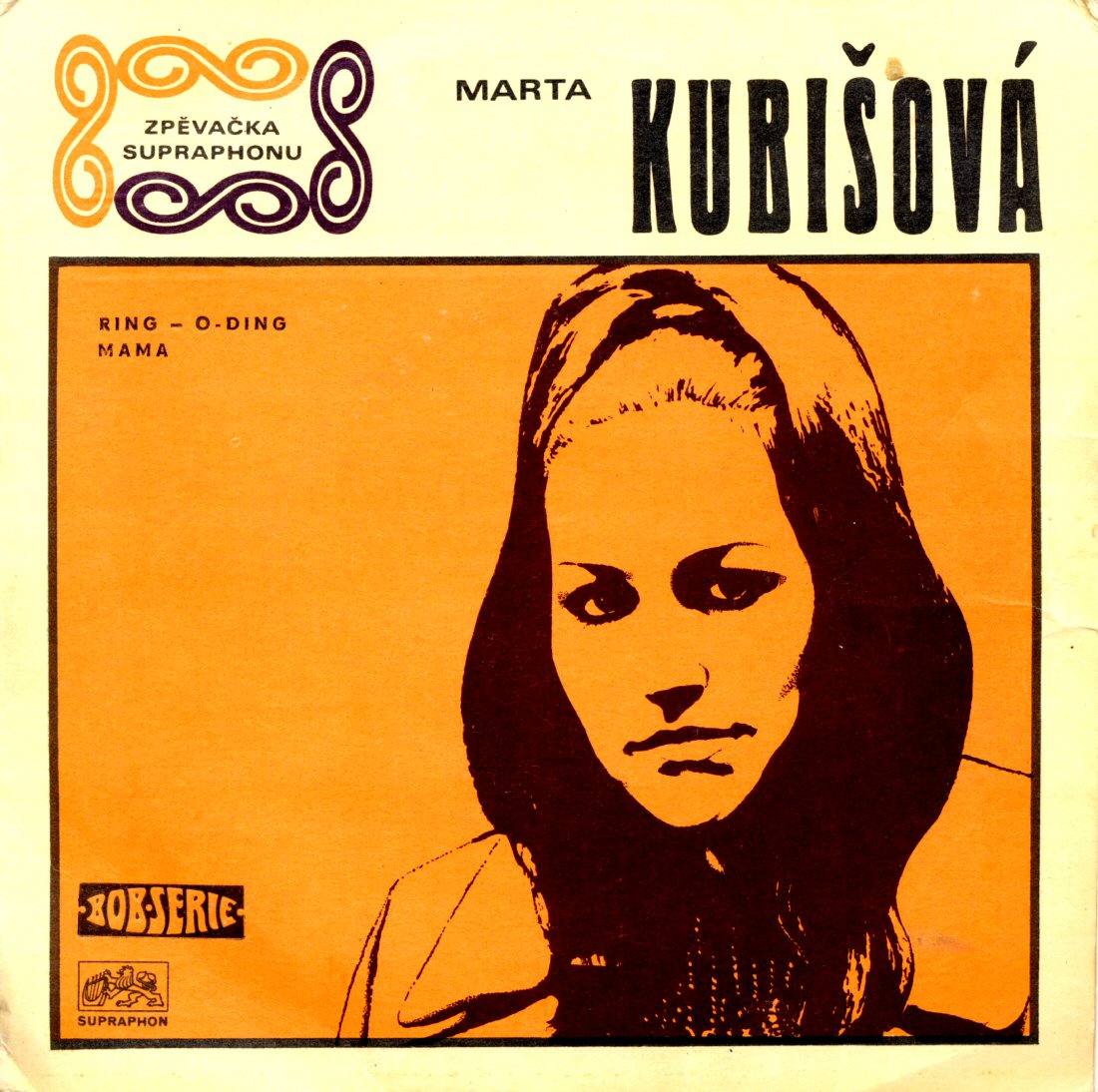
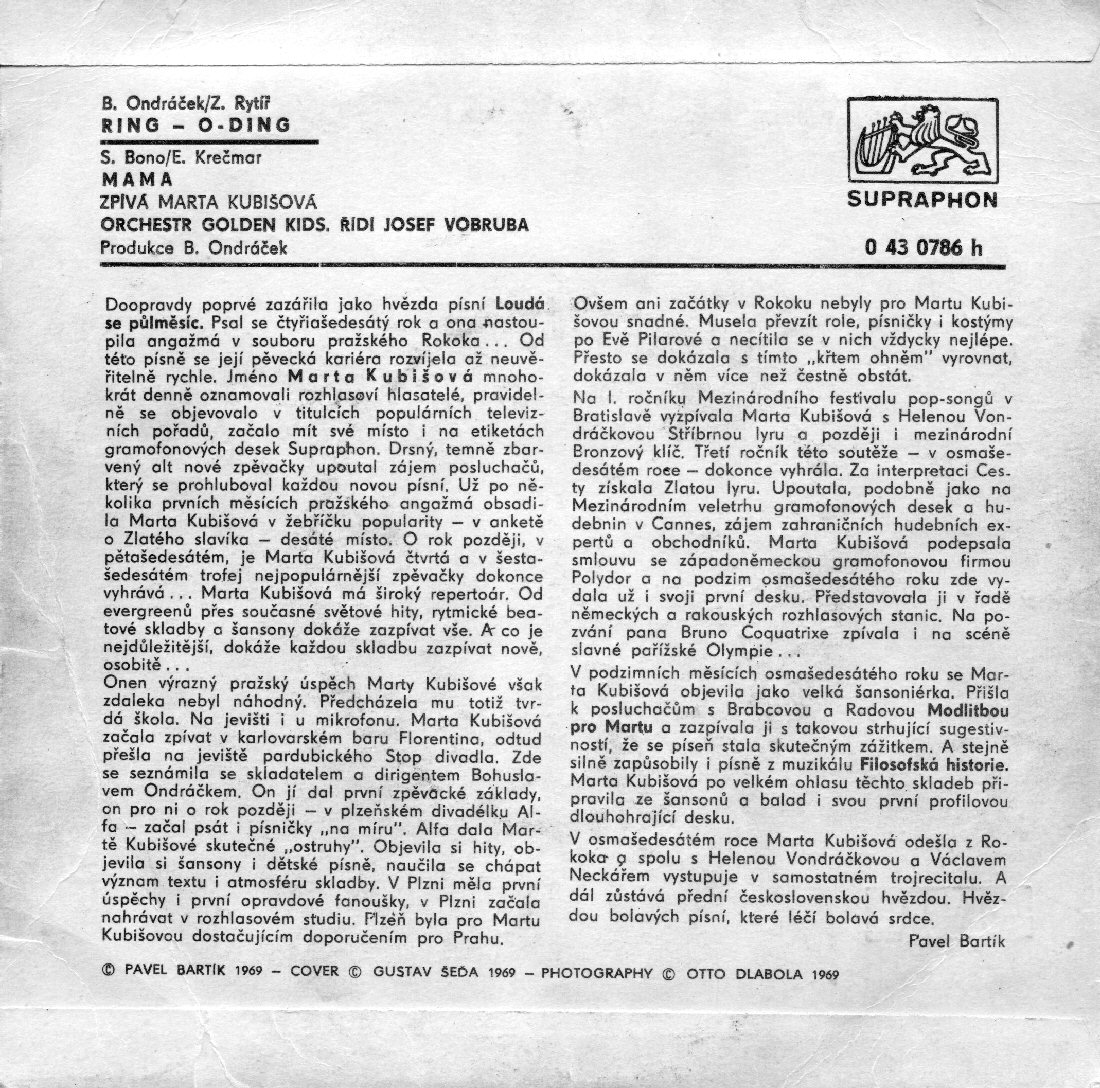
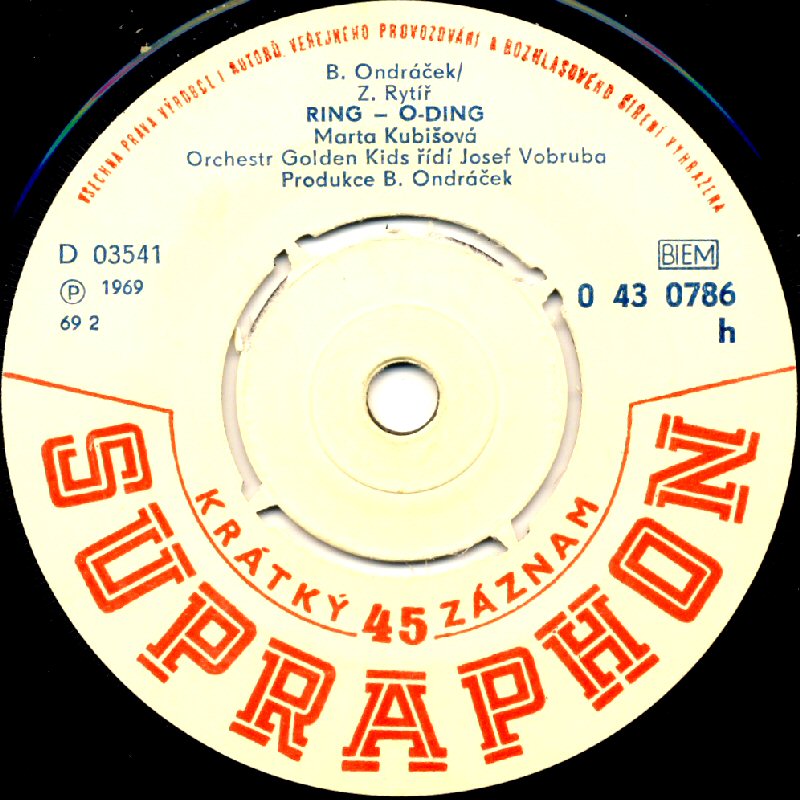
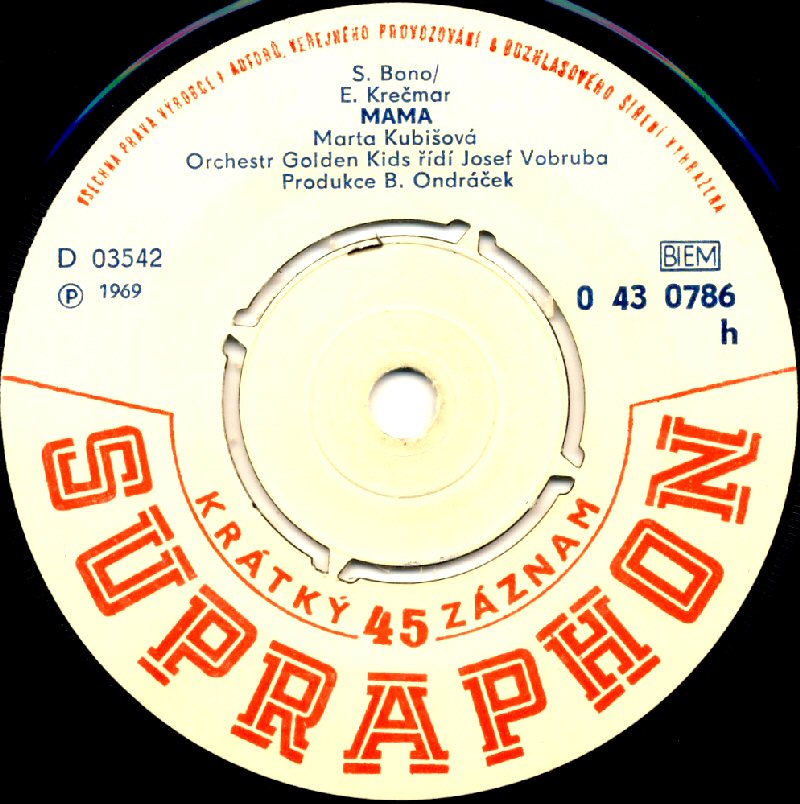
The single featuring "Ring-o-Ding" (with Mama on the B-side) promoted the first album of Marta Kubisova.
|
|
|
|
|
|
The LP promotion on TV
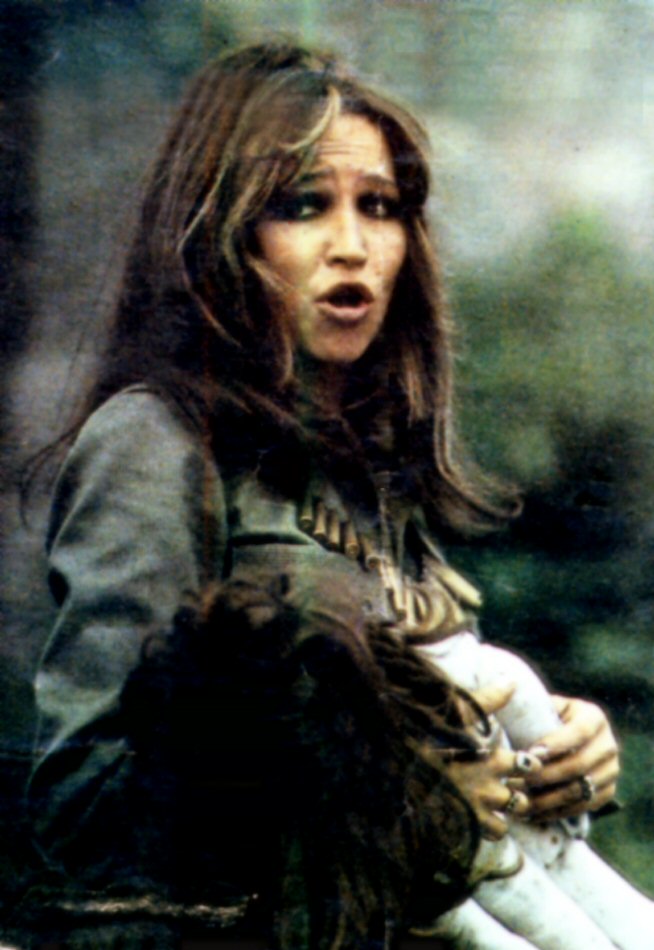
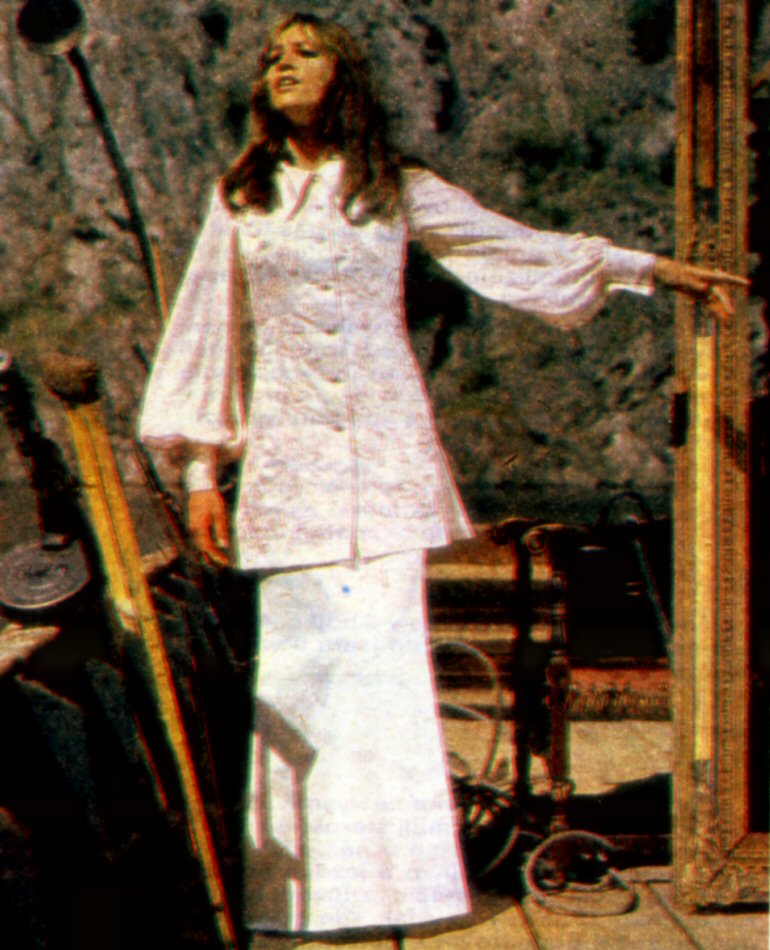
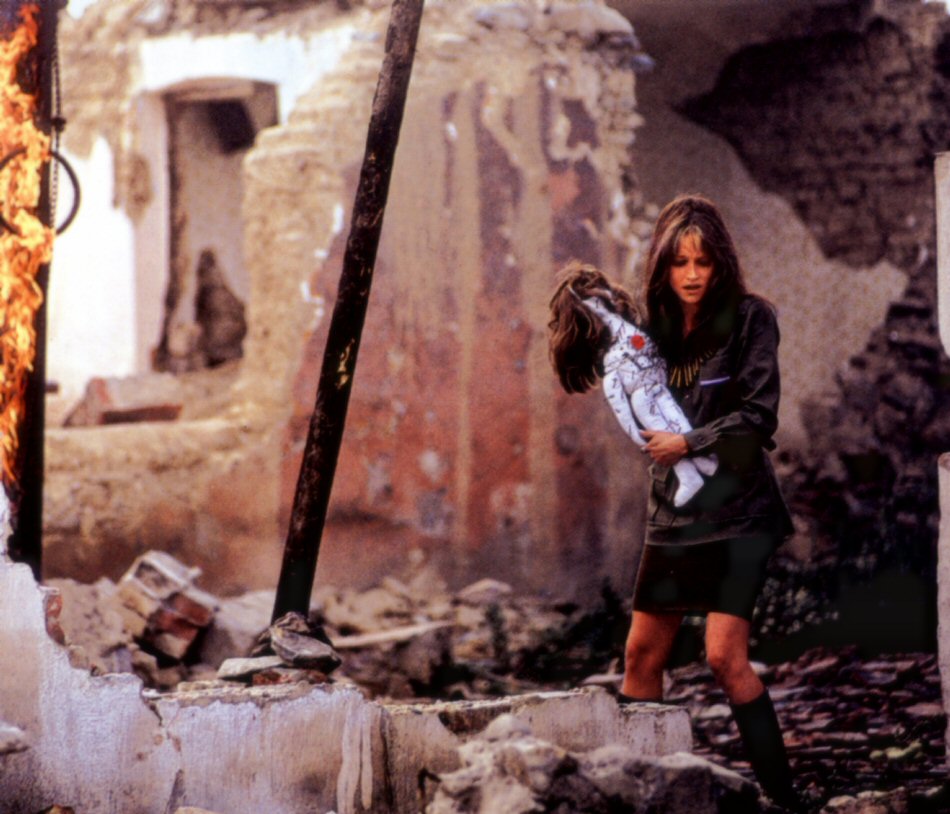
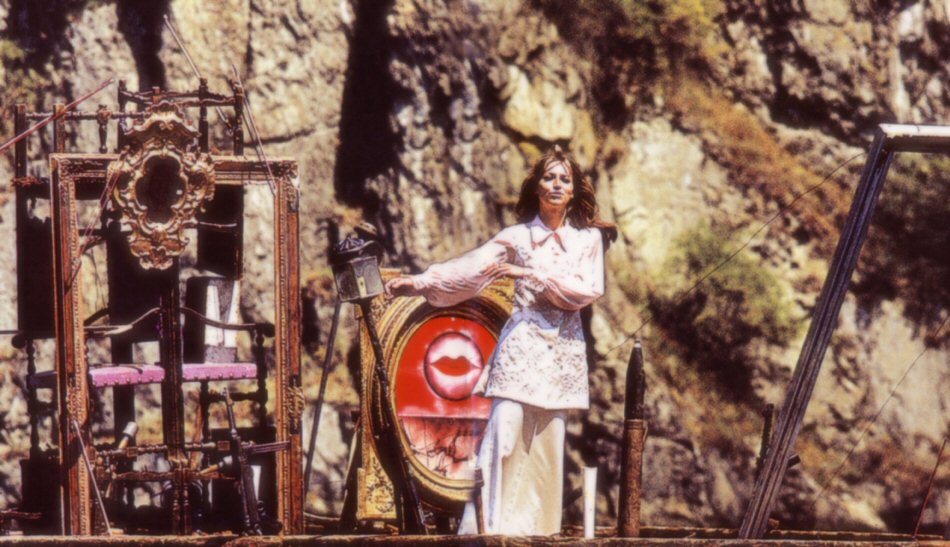
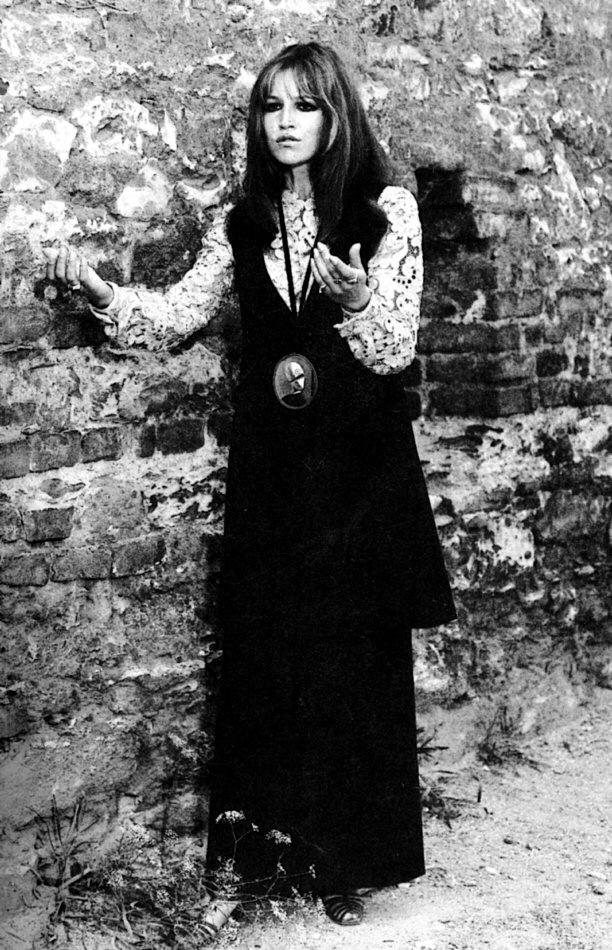
At the end of July Marta recorded a film which featured 7 of 11 songs released on her debut album. The director was Jan Nemec.
 |
 |
 |
 |
 |
 |
 |
 |
Atlantis - the single
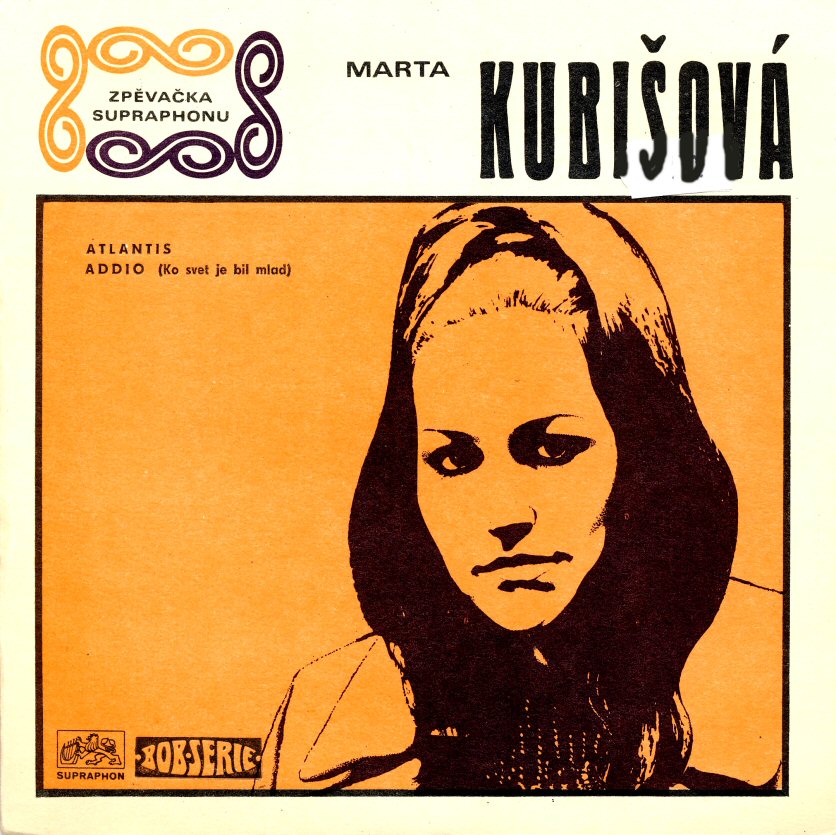
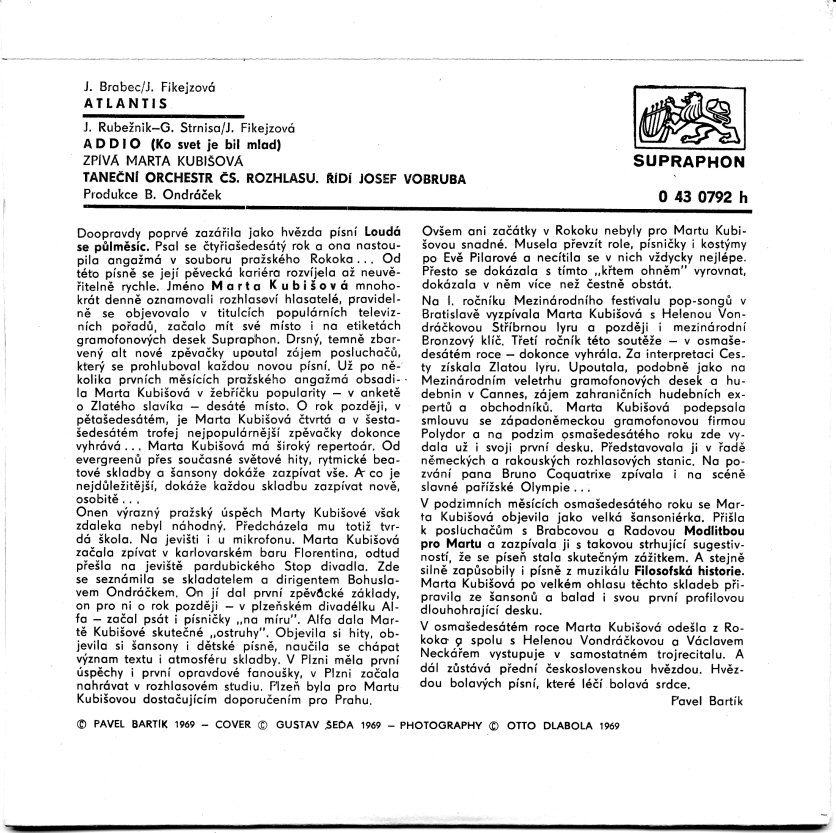
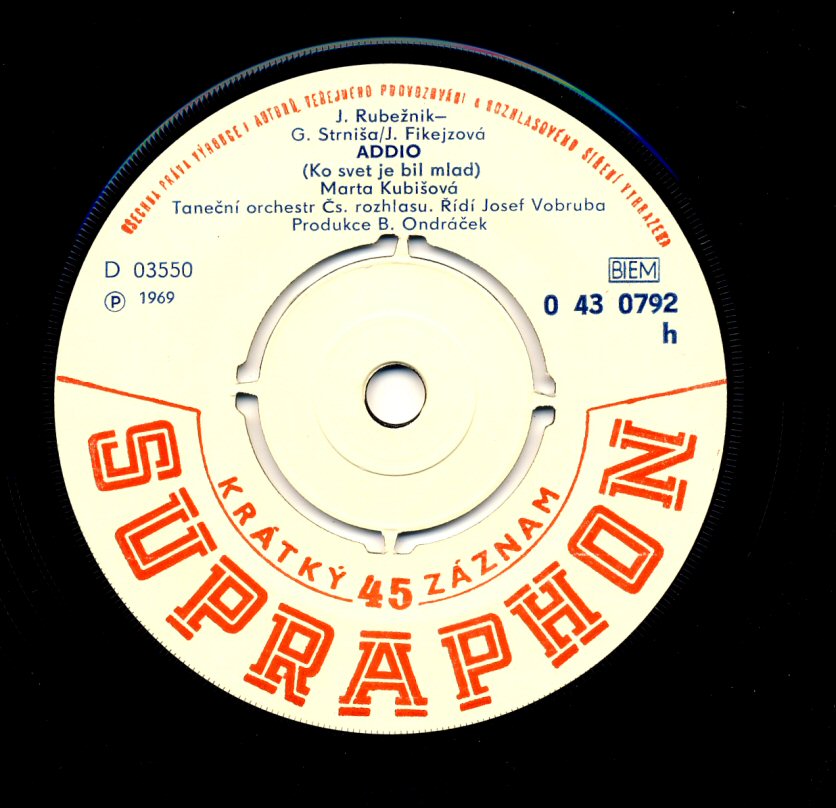
In the middle of June Marta recorded two new songs: "Atlantis" and "Addio" which were released on single during the autumn 1969. In August Marta participated in the song festival in Split (Jugoslavia) where she performed "Atlantis" which gave her the third prize.
|
|
|
|
|
|
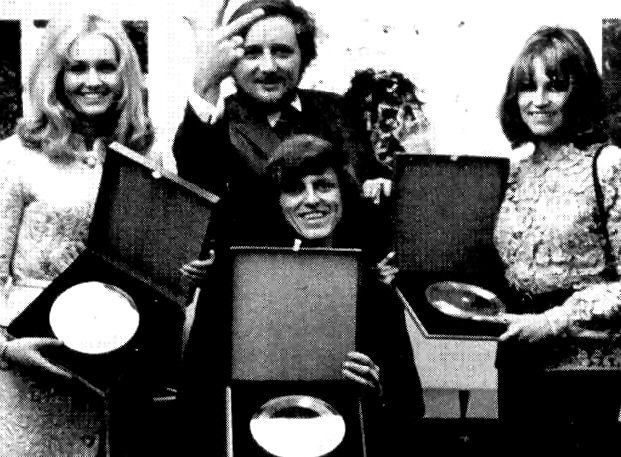
Marta Kubisova became the biggest name of Czechoslovakian pop music. In September a whole book with her photos from various periods was issued and in October she received a silver record for the sales of her LP.
Marta in West Germany
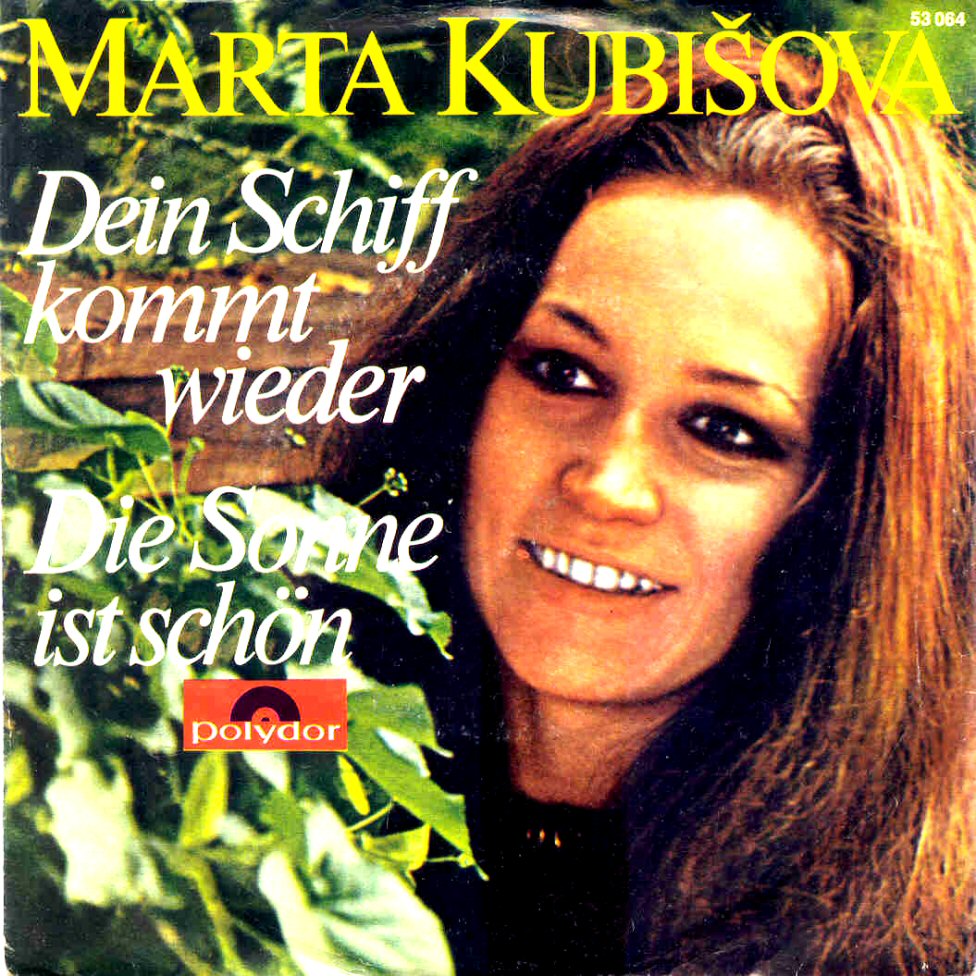
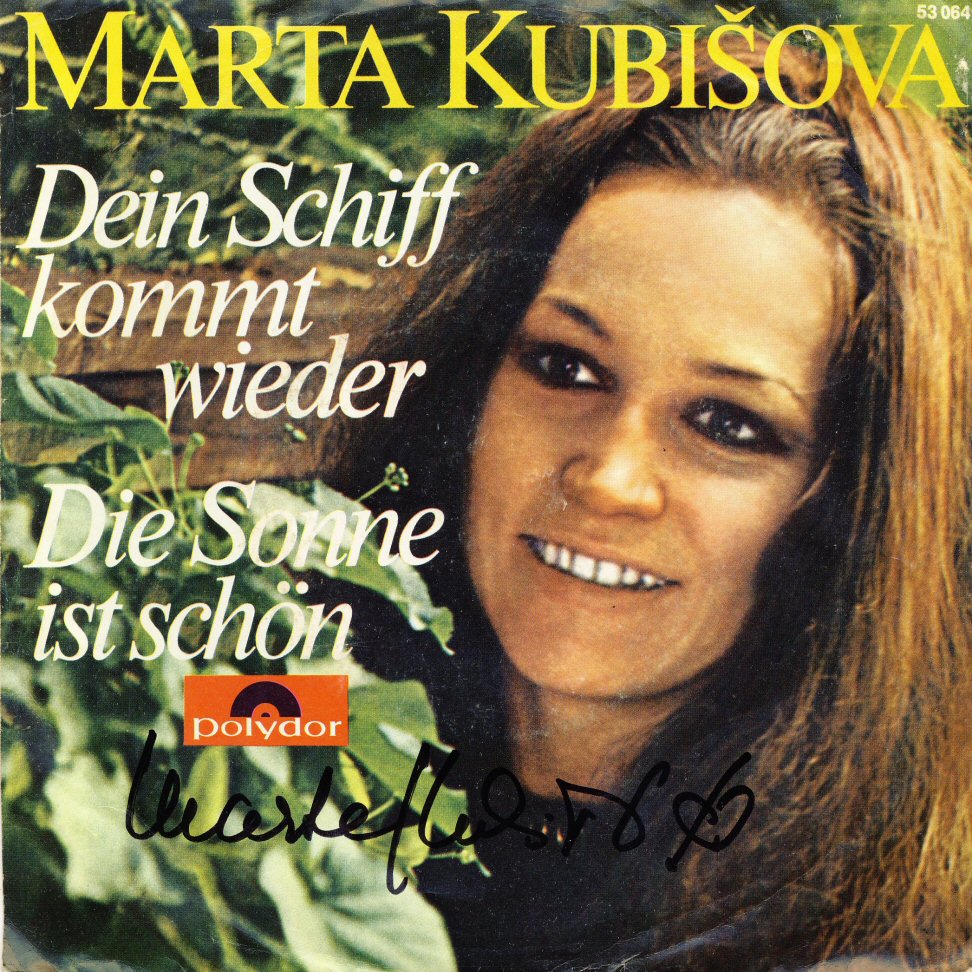
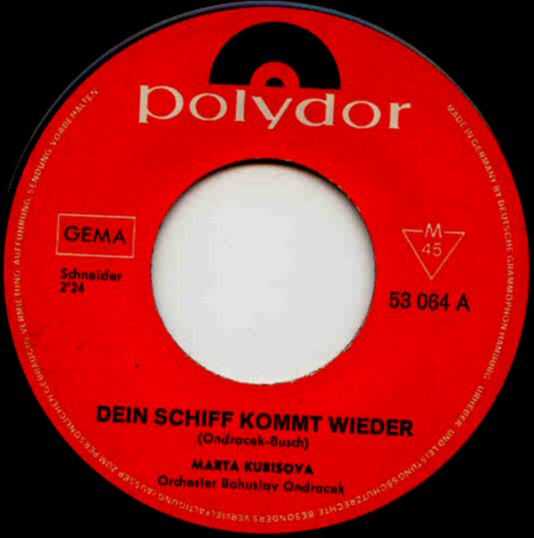
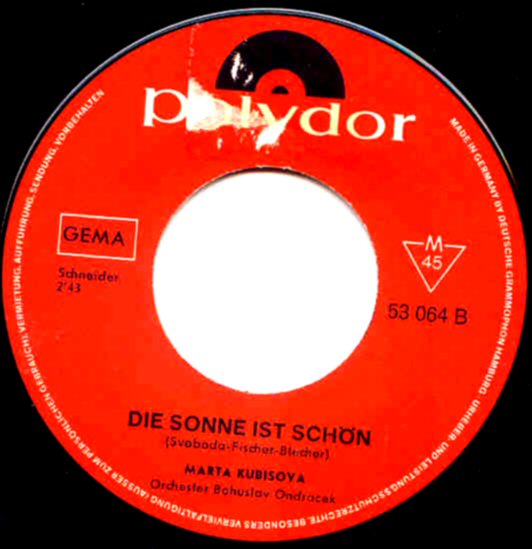
Polydor in West Germany released Marta's first single in German in 1969. The single contained "Dein Schiff kommt wieder"/"Die Sonne ist schön". The first song was originally recorded in Czechoslovakia by the singer Helena Bleharova and the other song Marta's own song which had been even recorded in Czech language.
|
|
|
|
|
|
The first signs of regime's negative opinion about the singer could be noticed already in 1969. Kubisova was attacked by communist press. Her brave anti-communist comments were not forgotten. The new leader of communist party in Czechoslovakia Gustav Husak was definitely not a fan of Marta.
In one of the interviews Marta said: "It is impossible nowadays to sing songs without any message only for fun. Of course not all of them have to be very serious - it would be very boring. But I want to sing sometimes about important things/.../".
In winter 69 Marta disappeared from TV and radio was allowed to play only one Marta song daily. The problem was the "Golden Nightingale" prize for 1969. Marta was the winner again but she was not allowed to receive the prize in front of audience. The press did not print any information about the female winner of this popular music prize in Czechoslovakia.
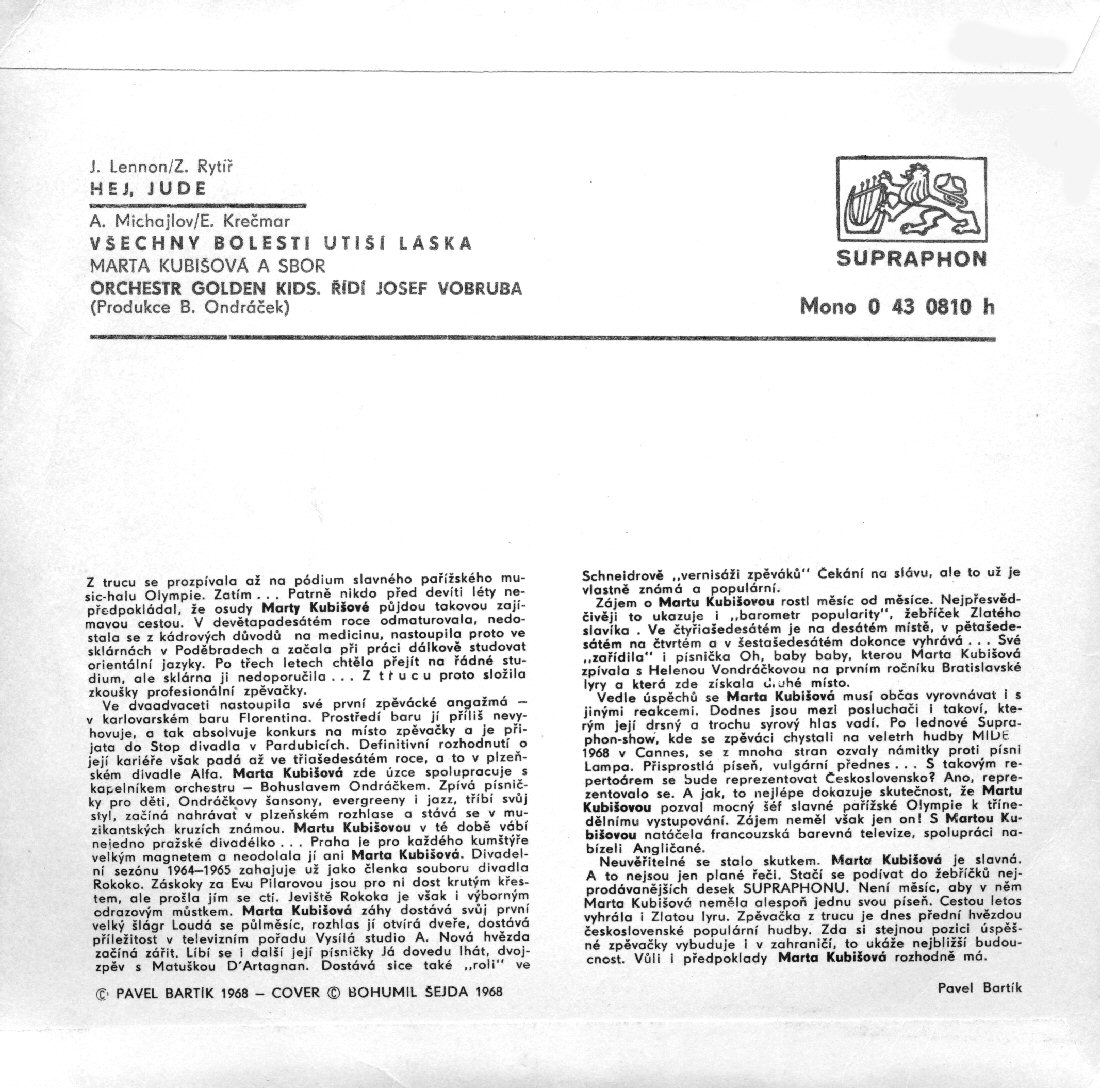
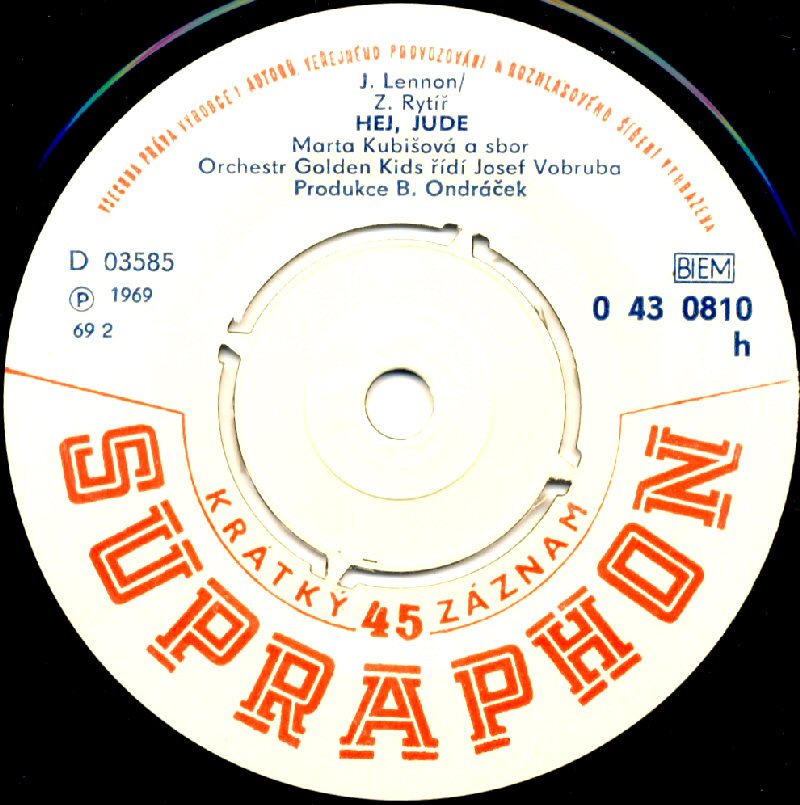
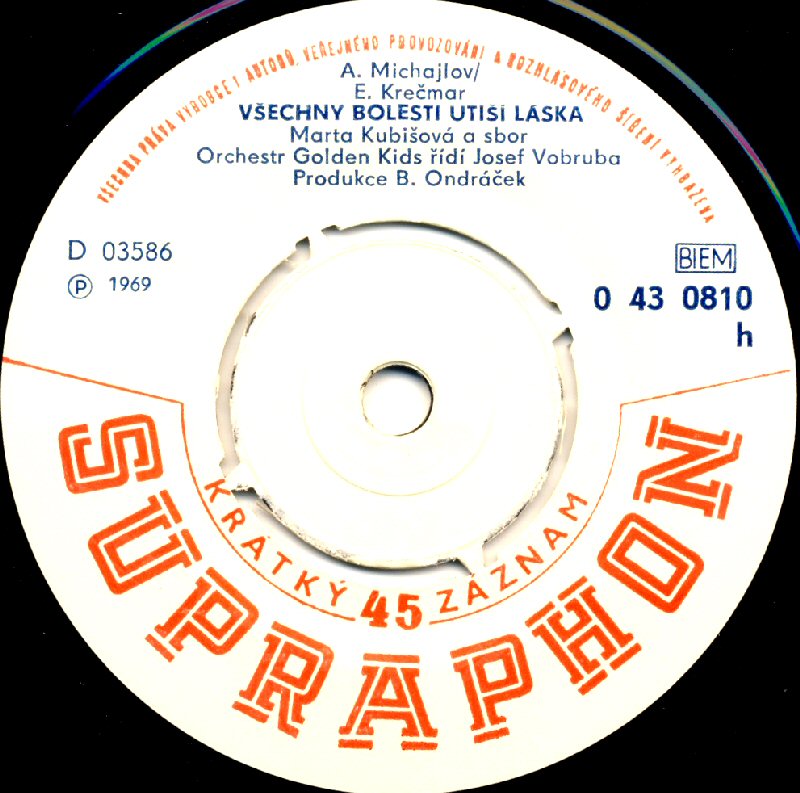
Hej Jude
Finally the record company Supraphon released "Hej, Jude" as a single. The song was the opening track on the album "Songy a balady". On the B-side there was another hit "Vsechny bolesti utisi laska" (Love will calm down all the pain).
 |
 |
 |
 |
The beginning of 1970 was the beginning of the long dark period in Marta's life. She was forbidden on radio and TV but not yet as the singer in Golden Kids. On January 6, 1970 Golden Kids have a premiere of their new show at Lucerna, "Music Box no. 2". Marta presented among others one of her absolute most beautiful songs "Tys bejval mamin hodnej syn". The show was highly acclaimed by the audience and critics. Golden Kids went on tour which ended on 27 January 1970 in Ostrava.
You were your mother's wonderful son
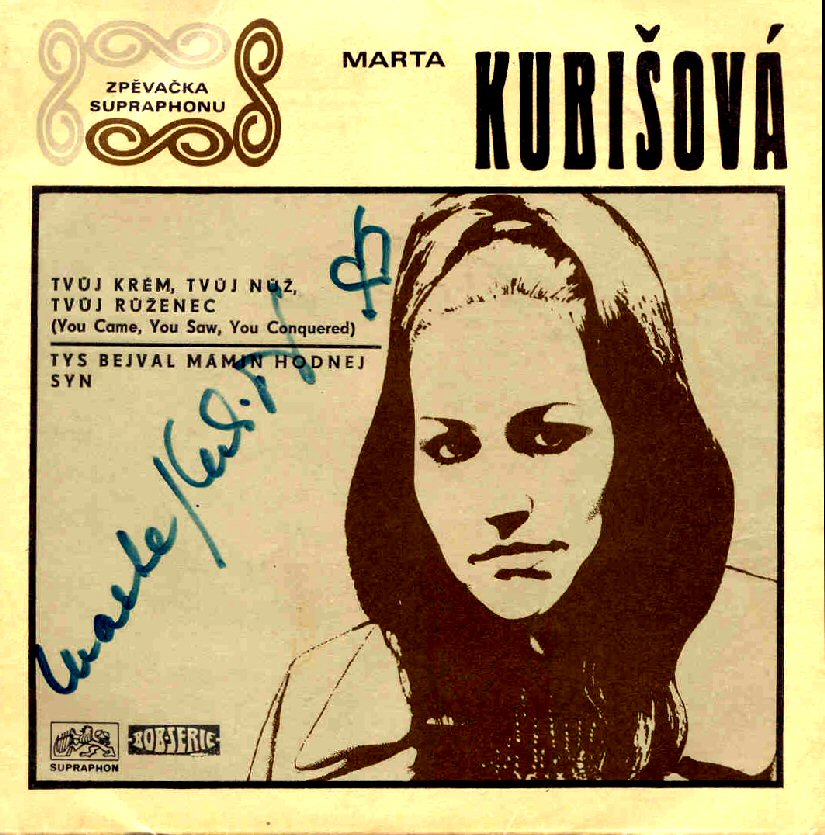
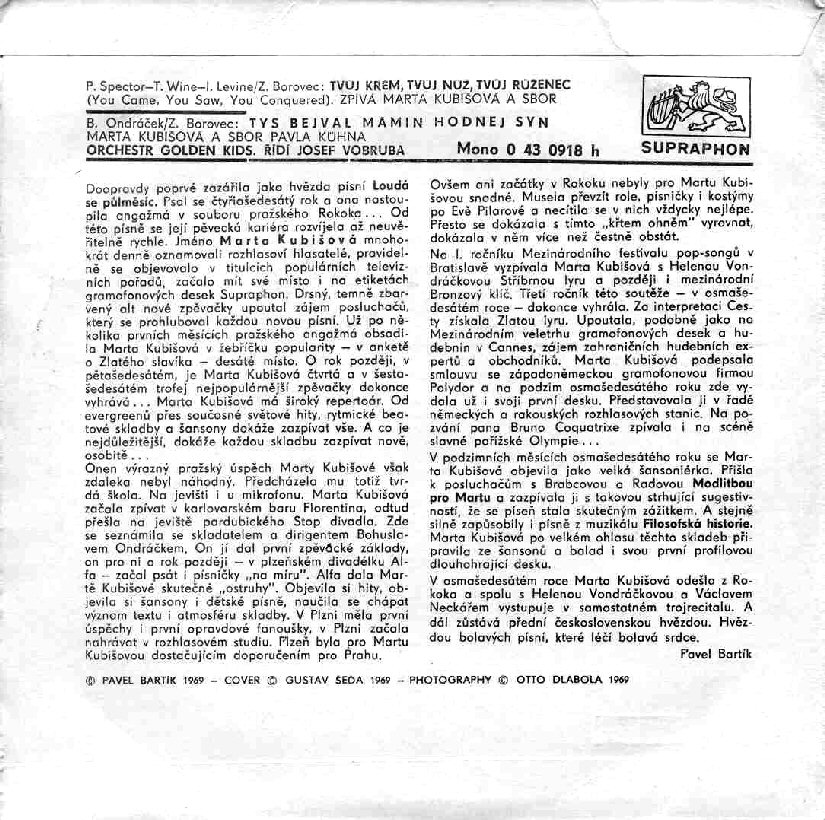
The single "Tvuj krem, tvuj nuz, tvuj ruzenec" (the cover of "You Came, You Saw, You Conquered") b/w one of the most expressive Marta songs "Tys bejval mamin hodnej syn" (You were your mother's precious son) saw its release at the beginning of 1970.
|
|
|
|
|
|
Marta in West Germany
The second Marta single was released in West Germany in 1970 shortly before she became totally forbidden by Czechoslovakian regime. There was still some hope for Marta to become a big star in West Germany but the political situation in her home country made it impossible.
 |
 |
 |
The communists did not like Marta and her huge success. In February 1970 Marta Kubisova became a victim of falsified pornographic photographs. From one day to another, the communists cut her off and prohibit her to give concerts and appear on radio and TV. Her Golden Kids friend Vaclav Neckar was informed the representative of "Pragokoncert" (the only state concert arranger in Czechoslovakia) Mr Hrabal on February 3rd that Marta is not allowed to perform in Golden Kids and the group did not exist any more. Both Helena and Vaclav did not want to work without Marta but she decided to write a famous letter to her friends where she stated she would not perform any more but both Helena and Vaclav had to continue their work... without Marta. The letter was written on March 22, 1970. She did not know that her time-out would last for more than 19 years - until November 1989.
Marta recorded several songs at the beginning of 1970. Some of them were released but most of them remained unreleased until 1990s. One of the last recordings was the song "Tys bejval mamin hodnej syn" which ends as it had been cut. This edit of the song was done in 1970 to symbolize the forbidding of Marta as a singer. According to Marta when the song would be released for the first time on CD after Marta's comeback in 1990s the record company called her and said that it was defected. It took Marta some time to explain that it was the right version of the song...
Press in West Germany about Marta
The West German press published several anxious articles about Marta.
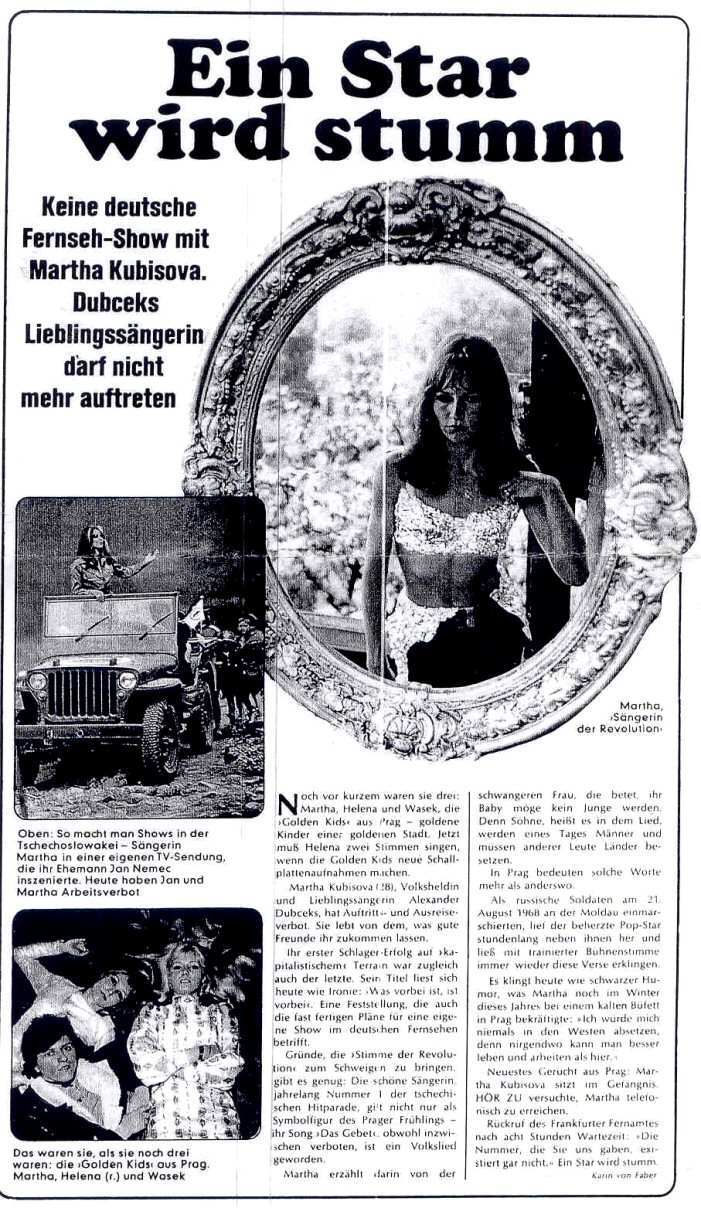
Marta suffered. Her world cracked up. She was married to the film director Jan Nemec until 1973. She did not work until 1974. Her mother and her brother Honza (living abroad) tried to help Marta as good as they could. In 1974 she married Jan Moravec (a film director).
In 1977 Marta signed the famous "Charta 77" together with many other intellectual personalities in Czechoslovakia. "Charta 77" was directed to the regime and demanded more freedom in the country. Marta participated actively together with Vaclav Havel in many political activities in connection to Charta.
Marta chose not to have so much contact with Helena Vondrackova and Vaclav Neckar. She remembers a meeting with Vondrackova in Old Town in Prague one day back in 1970s. Helena was very happy to see Marta and she wanted to sit somewhere in the city and have a cup of coffee. But Marta decided to refuse: It is not good for your reputation Helena if someone sees us together, said Marta.
In 1981 the biggest pop star in Czechoslovakia got a job as a clerk at the company "Prague's exhibition". She would work there until 1989.
Marta sings for a Swedish LP release
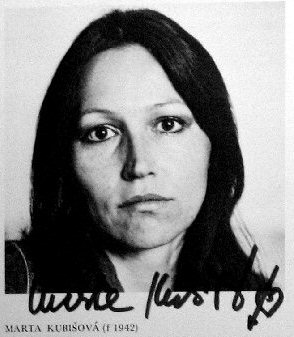
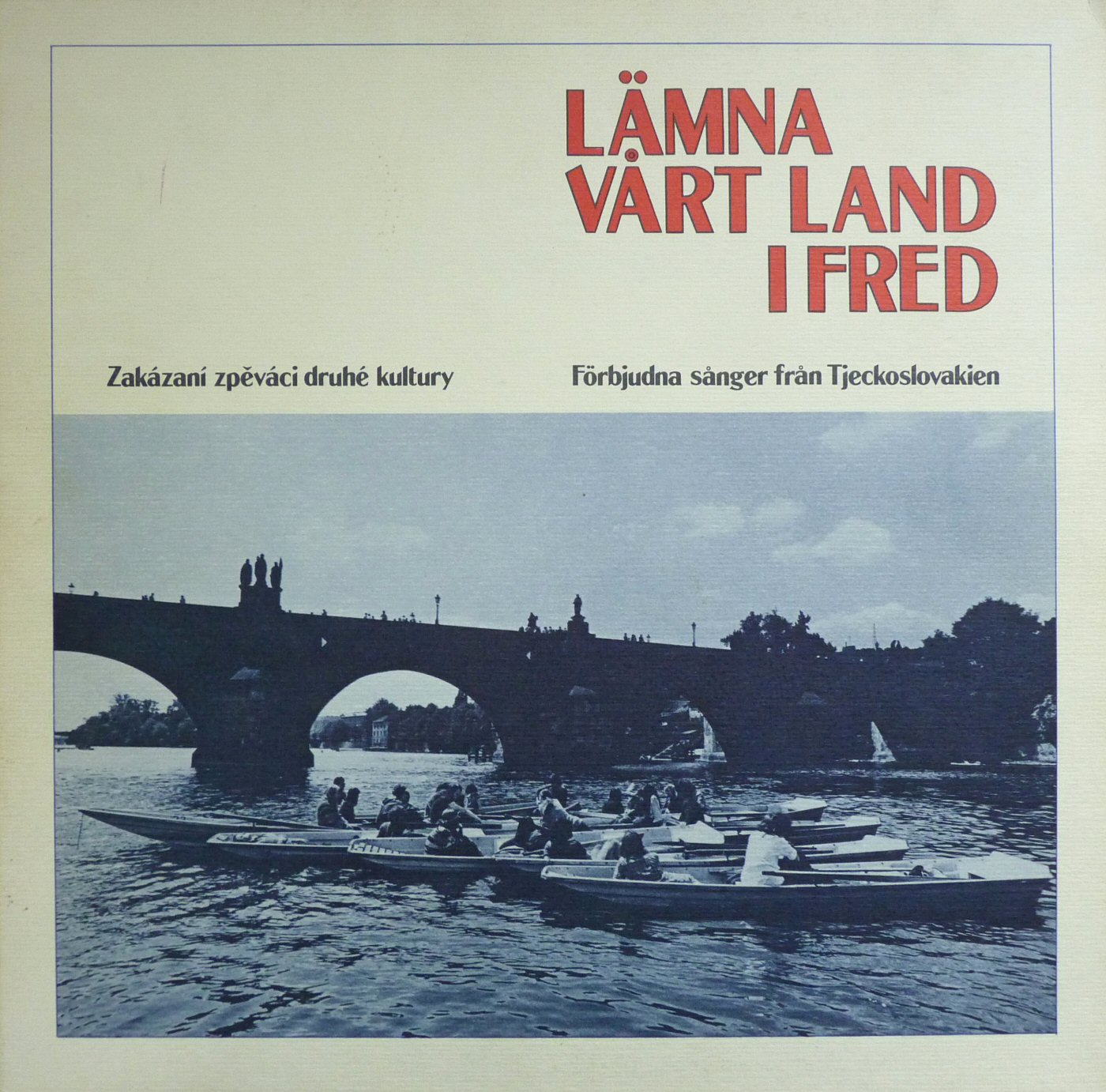
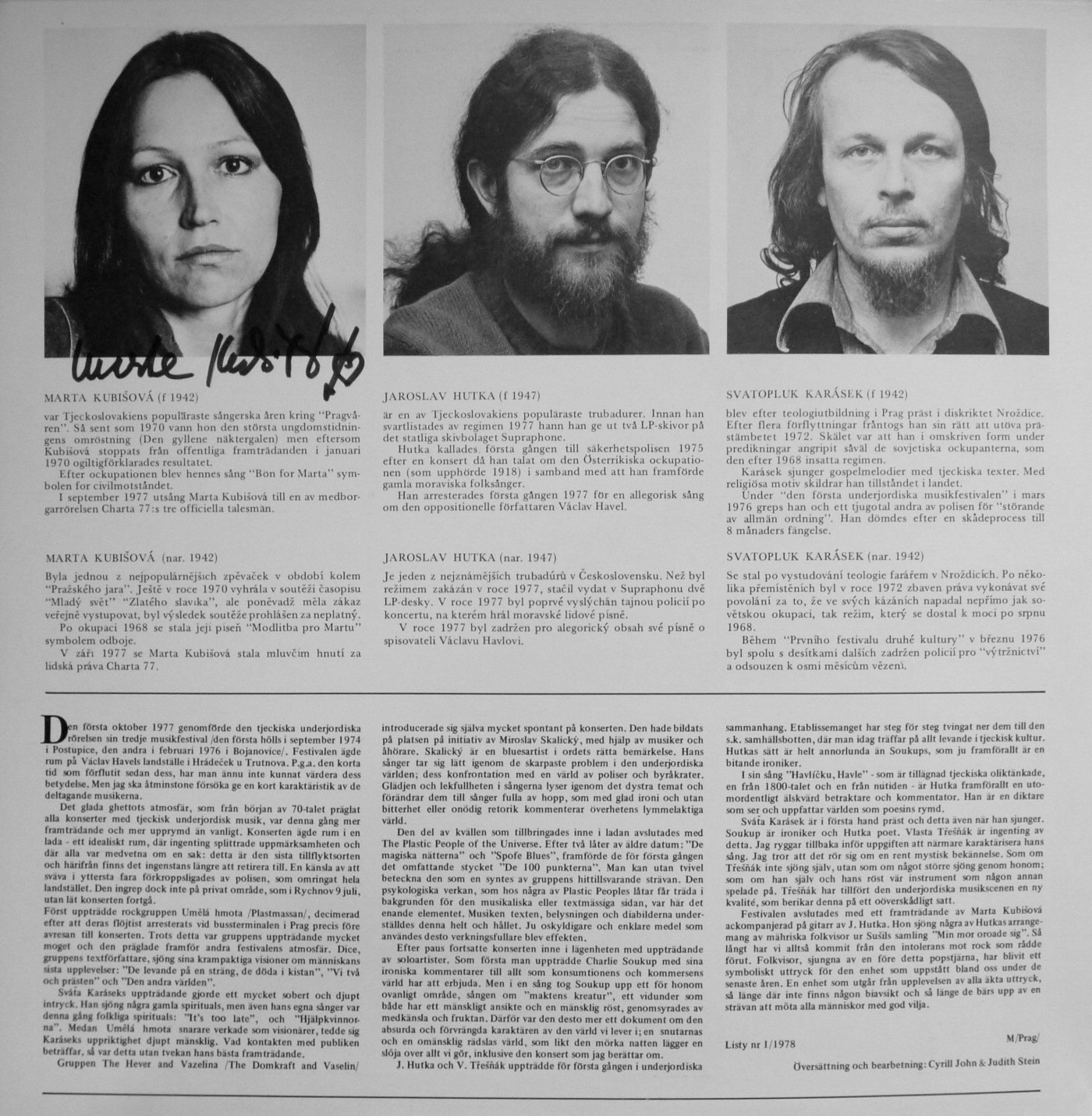
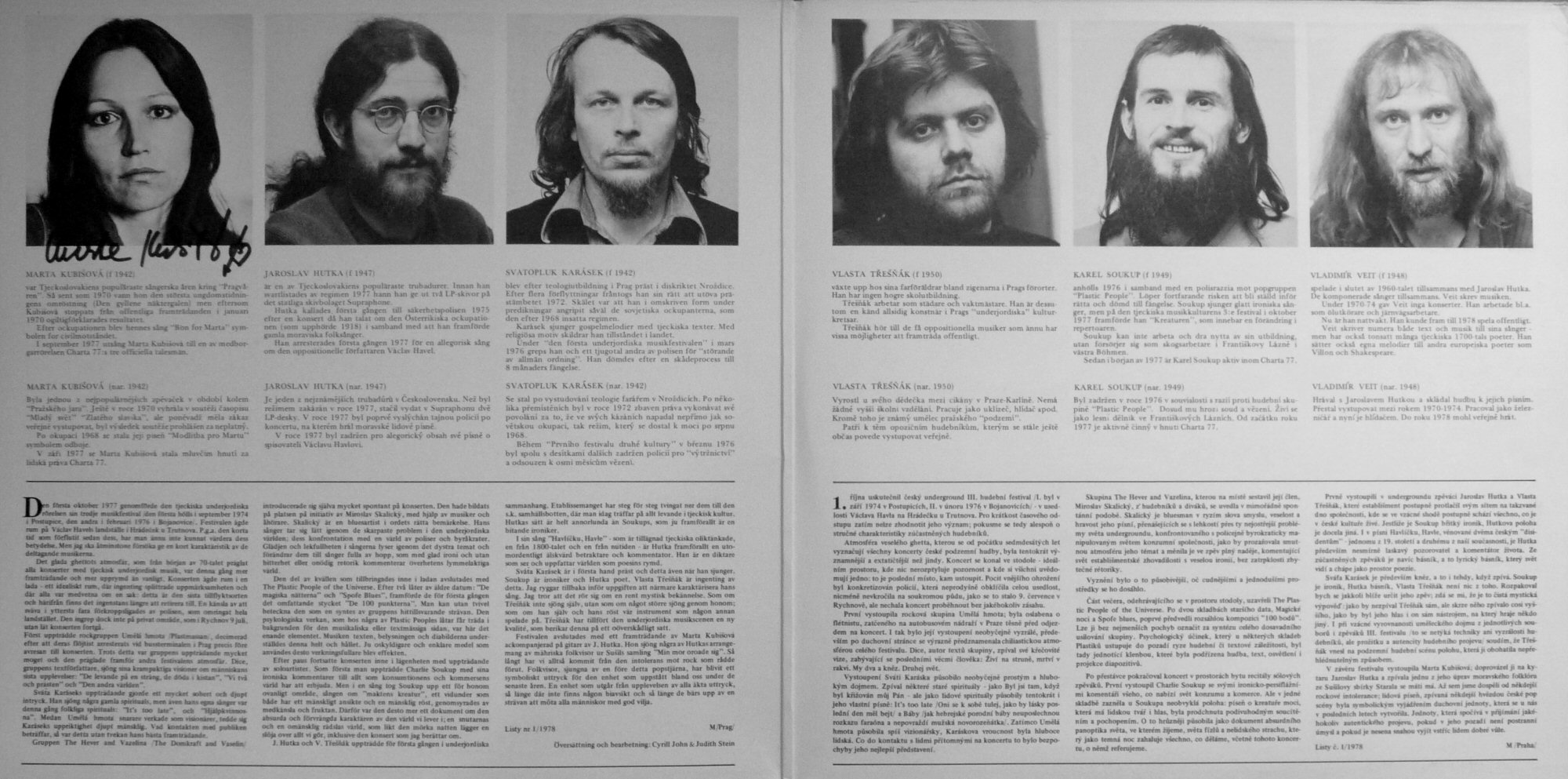
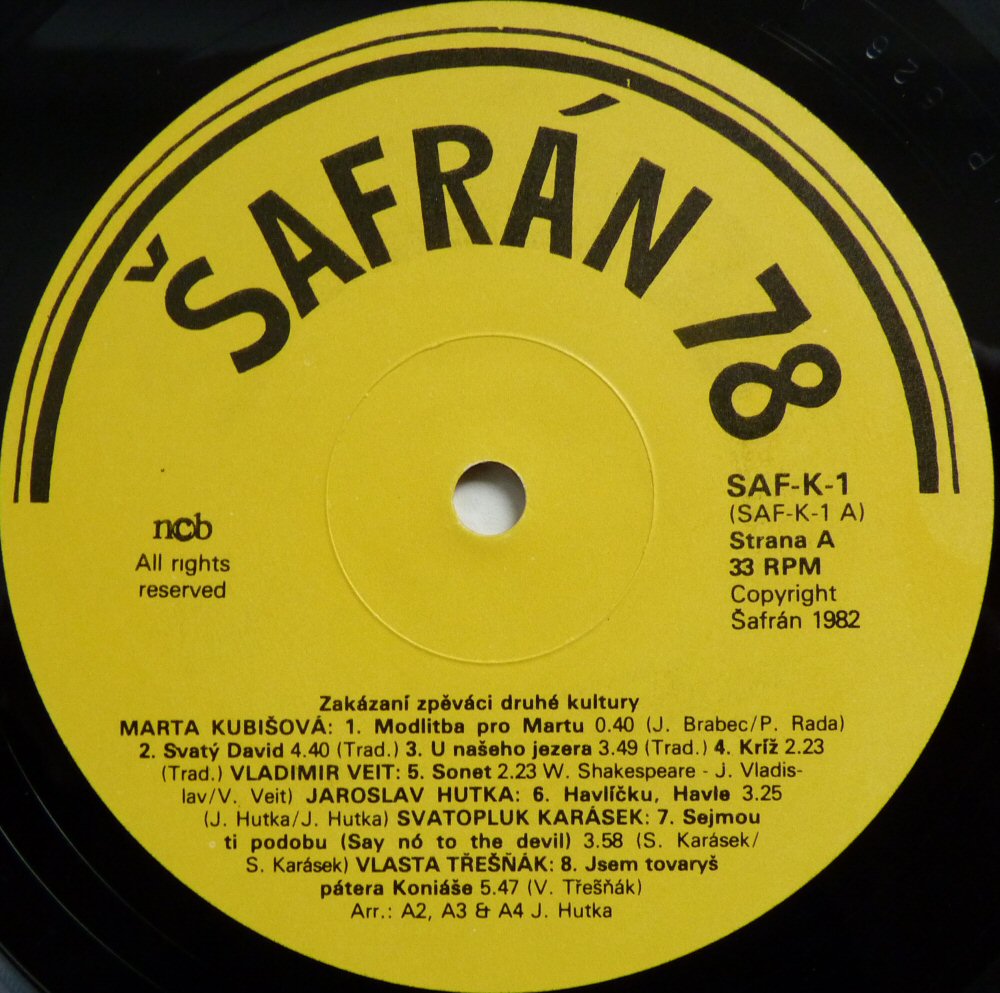
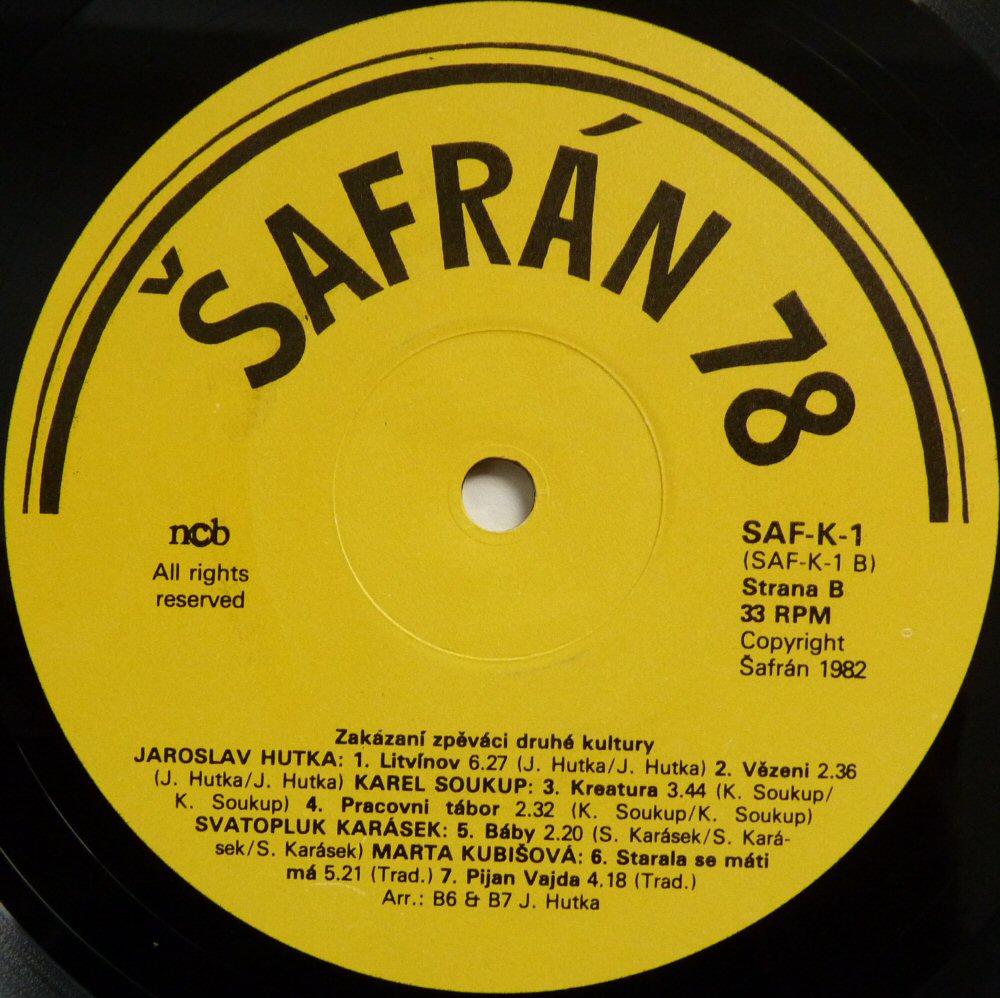
In May 1978 a Swedish team from a little record company in Stockholm "Oktoberförlaget" arrived in Prague. The reason was the meeting with several forbidden by communists artists in Czechoslovakia and recording a whole album with them. The recording session was held in the kitchen in the flat belonging to one of the singers Jaroslav Hutka in the Neklanova Street in the part of Prague called Vysehrad. The compilation entitled in Swedish "Lämna vårt land i fred" (Leave our country alone) had even a subtitle: "Forbidden singers of the second culture". Marta Kubisova performed totally 6 songs on the album featuring "The Prayer for Marta" in short version of 40 seconds.
The album was mixed in the ABBA studio - Metronome - in Stockholm in the summer 1978. One more historical event the same year was recording of a video with Marta in Prague.
The rights to the album were bought later by the couple Pallas in Czechoslovakia who established record company Safran'78.
The album is impossible to find nowadays - probably the most unique release containing Marta's songs.
 |
 |
 |
 |
|
 |
 |
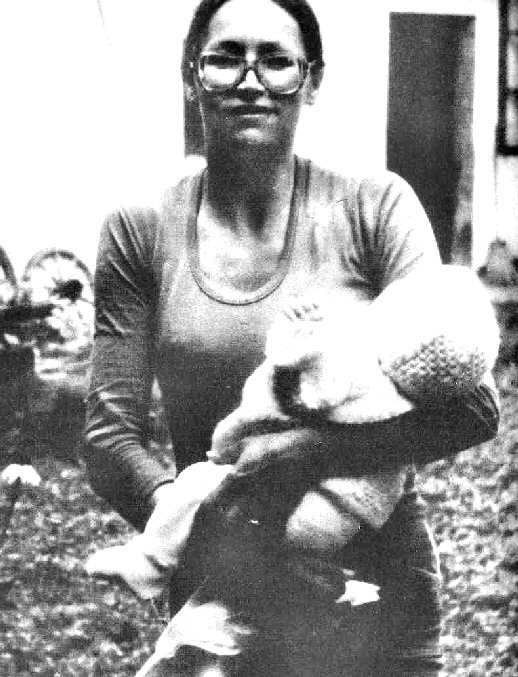
On June 1, 1979 Marta gave birth to her daughter Katerina.